

 Menu
Menu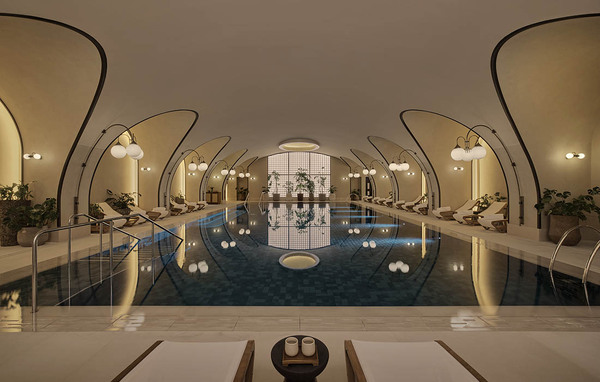


Corinthia London GM Charlotte Weatherall on driving spend in a cost of living crisis
The general manager is taking the helm at the Corinthia London with a £192m loan in her pocket and big plans for spending it. She explains how the hotel is staying ahead of the competition
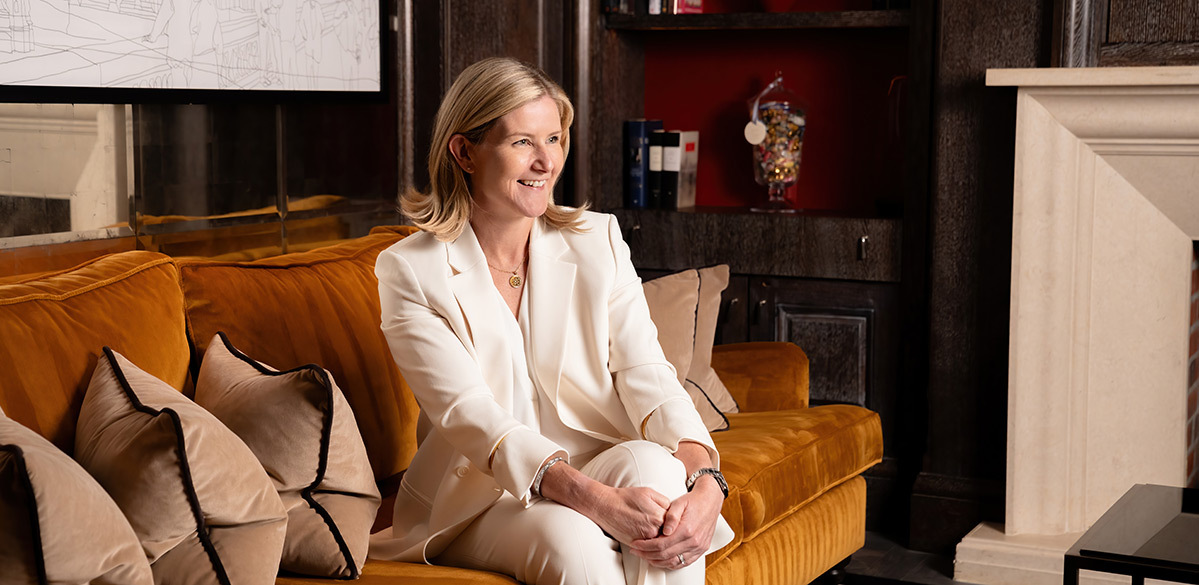
Charlotte Weatherall was promoted to general manager at the Corinthia London hotel last summer. She has more than two decades of luxury hospitality experience across the UK and UAE and has held senior roles at brands including Rocco Forte Hotels, Mandarin Oriental, Starwood Hotels & Resorts and the Langham.
Here she talks about taking on the responsibilities of her new role, challenging the norm of the London grande dame hotels and why she trusts her staff to make decisions.
It’s been a little over six months since you’ve stepped into the role of general manager from director of sales and marketing – how are you finding it?
It was as challenging – if not a little bit more – than I thought it would be. It felt good to turn the page, to go into 2026 and reflect on the change. I’ve been in hotels for more than 20 years, I’ve been on executive committees and I’ve had opinions on what I thought was great and not so great, but I was not necessarily involved in things at this level of detail. And, all of a sudden, I am. I found that when I was reading reviews on TripAdvisor or guest survey comments, all of a sudden it felt more personal, because it felt like a reflection on things we are or we are not doing.
How was it being promoted into that position having already been at the hotel for three-and-a-half years?
There were pros and cons. There’s an advantage in that I know the business, the stories, the people – even that I know the way around the building – but I’m also redefining relationships. There are some people who have been peers and now I might have a slightly different relationship with them, and I’m trying to do that in a way that is still authentic to who I am.
Just prior to your appointment, Corinthia London secured a £192m loan to support the growth of the hotel. What are the ambitions for the property?
We’re got some really exciting capital expenditure projects. We’ve just refurbished our suites and now we are looking at the rest of the rooms, and we’re looking to upgrade the heart of the hotel, the Crystal Moon Lounge, which is what everyone sees as they enter the building. We’re also looking at our meeting rooms, because a huge part of our business is events revenue.
We’ve also just launched a new spa concept, Biome by Corinthia London, which is about ‘primal luxury’. We want the spa to offer guests a way of going back to the origins of wellbeing, with services that are all very natural in their principles, rather than more technical.
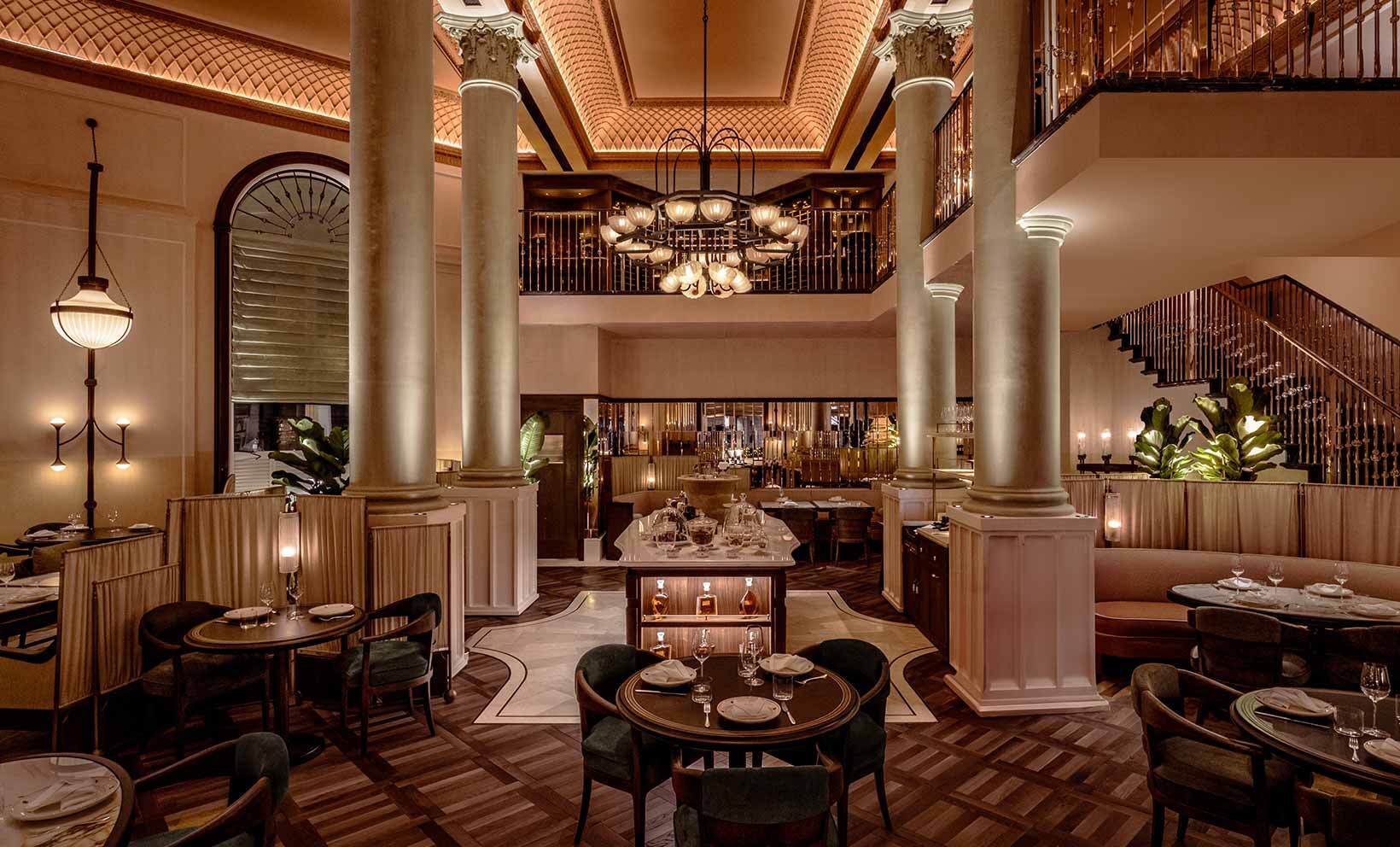
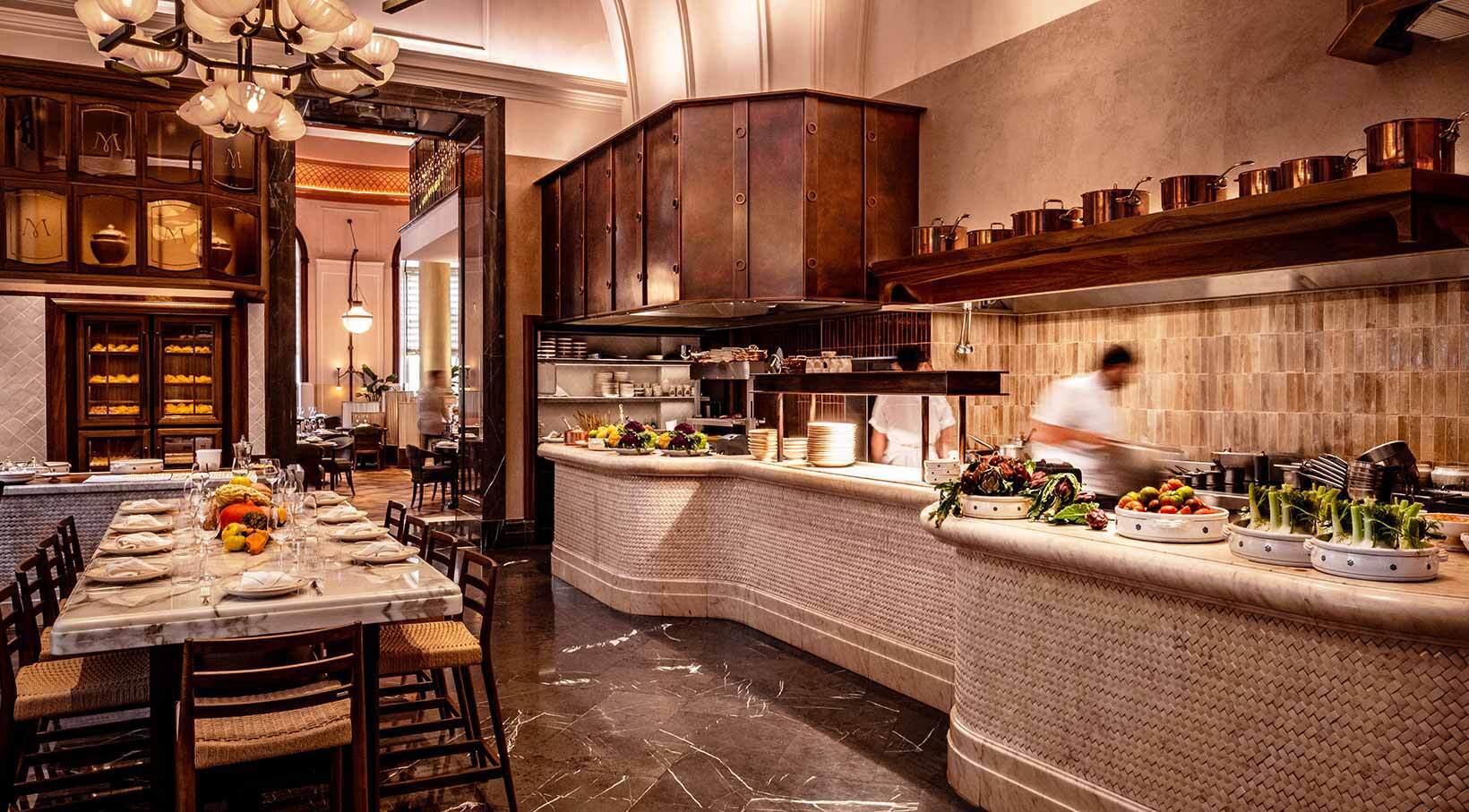
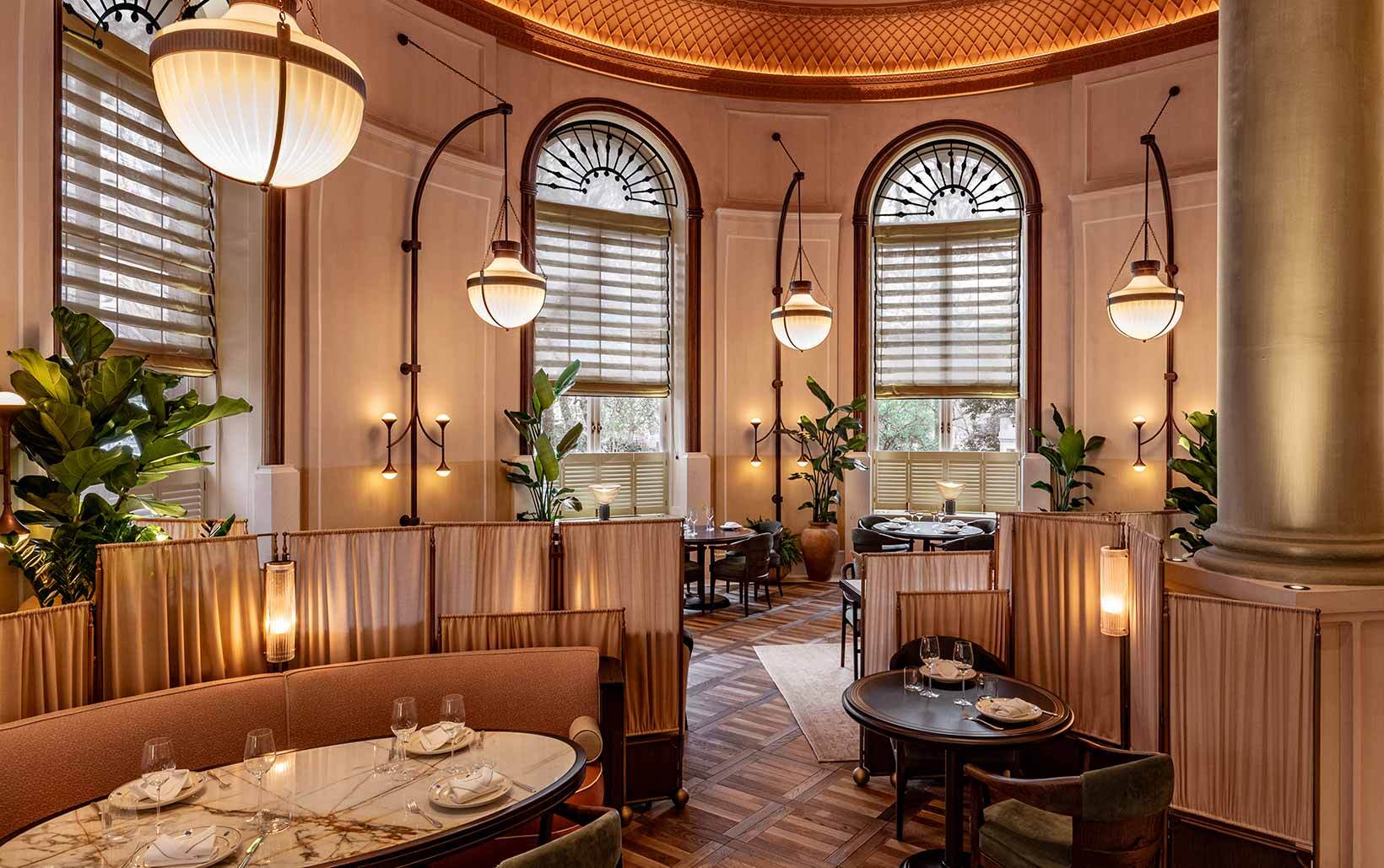
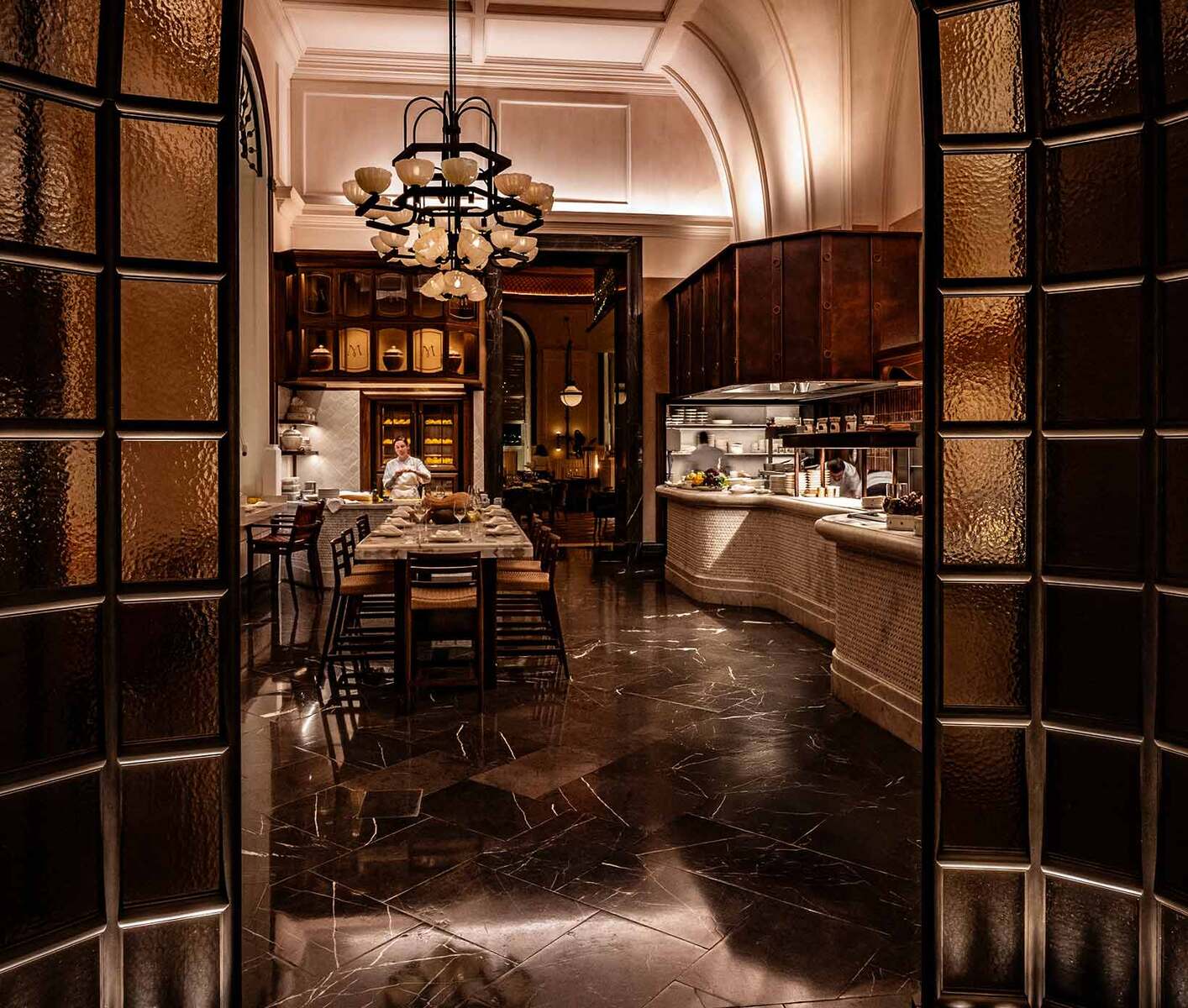
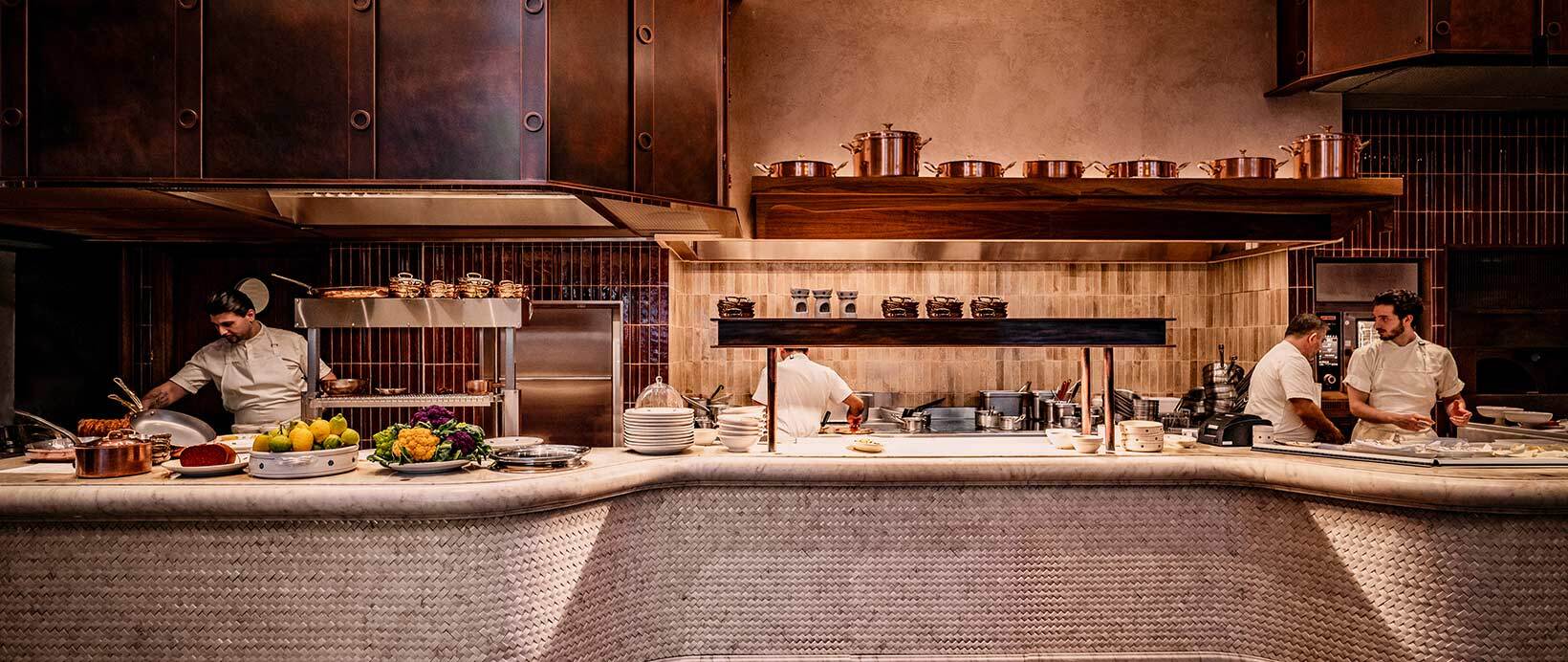
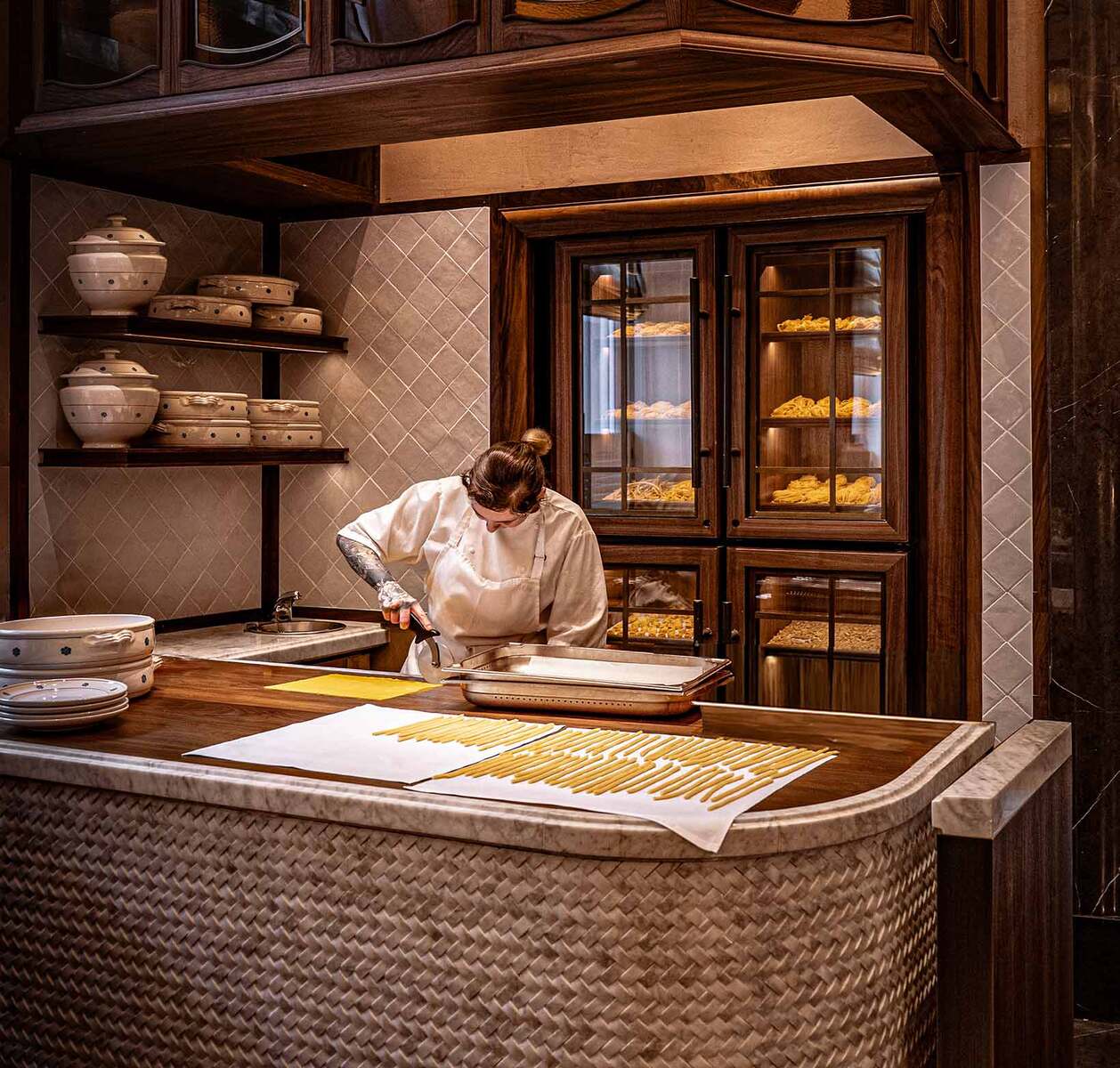
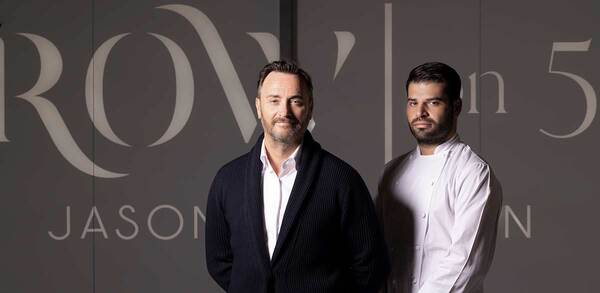
You’ve also just opened Mezzogiorno by Francesco Mazzei – how has that gone down with guests?
The food scene in London is really competitive and there are new restaurants opening and closing all the time, so there is a real sense of pressure to launch a concept that will be successful after investing £4m in it. But so far, we couldn’t be happier. It feels very warm, guests like the atmosphere and not one person hasn’t commented about how delicious the food is. Francesco is a really great host with a great energy.
How does it fit in with the rest of the F&B offering at Corinthia London?
F&B is a significant part of the revenue for the hotel. The previous restaurant, Northall, was such a significant space, but it didn’t deliver very much from a revenue point of view across lunch and dinner. We have to constantly look at spaces and think about the opportunity. Just across the corridor from Northall is the very successful Kerridge’s Bar & Grill, so we knew we had the ability to bring people in. Now we can see that we’re driving the same number of covers in Mezzogiorno as in Kerridge’s, but without displacing the covers there.
So you’re keeping Tom on his toes?
Neither chef has said it – and they’re both extremely successful and confident in their own right – but I do feel that they will maybe have some degree of pride in wanting their restaurant to do well.
How are hotel bookings looking for 2026?
I would say that 2025 was a difficult year. It’s always interesting speaking to counterparts and seeing how transparent others are in terms of what they are willing to share, but if we look at STR data, if anybody says it wasn’t a challenging year, I would question it.
The stats showed us that the market didn’t really grow, which is down to a number of different things, including the fact the world is a more uncertain place and more supply came onto the market. Looking at this year so far, we’re seeing positive growth – our room rates are from £730 a night and our average daily rate is £800, exclusive of VAT, with the average length of stay around three nights. Our full-year occupancy is 70%.
It has been hard coming out of the post-pandemic years, when we had double-digit growth and guests who were desperate to go out and travel. There was ‘revenge spend’, where people didn’t mind paying a lot of money for things. Now, there is some degree of stabilisation and plateauing and, like anything, it takes time to adjust.
And this is all before you add in the cost increases everyone in the market is facing. Brexit, labour costs, energy costs, food – all of these things. It’s a combination, which means it’s harder to drive the top line and harder to drive gross profit.
Are you seeing an impact on customer spend in the luxury market?
It’s interesting, because the general consensus is that luxury guests are far less impacted, but I challenge this. While there is the top 1% or 5% of customers who aren’t impacted at all, there is still a significant proportion for us, from corporate guests to someone who has come for a special occasion, who have been affected by the cost of living crisis. Whereas in the past they might have chosen a suite, now they would choose a room or drop Champagne from their afternoon tea.
In October last year the hotel, restaurants and bars were so busy – we had the London Film Festival, we had government delegations – but we made less in top line revenue than the year before. I remember thinking how can we be so busy and not only are we not making more, we’re not even making the same as last year.
What are your priorities when it comes to making up for this decrease in spend?
This is the importance of that capital expenditure, knowing that we can invest to give people the opportunity to spend more. This can be seen in the new Mezzogiorno restaurant, the spa and I would say the experience of the hotel itself – making sure we give people a reason to come and see the exciting things we’re doing.
For example, we have an art exhibition in the Crystal Moon Lounge of celebrity portraits by British-Maltese photographer Lorenzo Agius. That was about challenging ourselves, because, I’ll be honest, we wouldn’t have ever done that in the past. We would have been about having the best traditional afternoon tea – that was our philosophy, to do things like that really well. But then again, we’ve also put DJs in Kerridge’s to create some atmosphere on busy nights and we invest in live music – we are giving people a reason to come here and stay for that second drink.
Is installing these new concepts important to you as a new leader in the business?
Definitely, I felt very strongly about it, but I think things have still got to be elegantly done and to feel luxurious. Take the Crystal Moon Lounge: if you arrive in the evening after afternoon tea has finished, you are greeted by a quiet room. Your first impression is that there’s no life or soul there, even when the restaurants or the Velvet bar have an amazing, buzzy atmosphere. I don’t want that to be the first impression, so we’re changing the ambiance in the evening – things like dimming the lights, changing the playlist, having a different menu, a whisky trolley. We’re even thinking of commissioning a hand-carved wooden chessboard.
How would you describe your leadership style to deliver on all of this?
I feel really strongly about creating a culture of trust and empowerment. I’ll have opinions on things, but I like to see what the team can come up with too. It’s maybe trivial, but take bar snacks – we’ve had the same bar snacks for the entire time I’ve been here, so I suggested changing them. Change allows for conversation and if you only ever stick with one thing, it’s not interesting for colleagues and it’s not interesting for the guest. I want my team to have the confidence to just change a bar snack.
When I went into the bar a couple of weeks after we had this conversation, I discovered they had changed it to popcorn – and I don’t like popcorn! But I thought I couldn’t comment on that after I’d given them permission to change. But then, a month or so later, the team decided they didn’t like the popcorn and changed it again. So in that sense it worked: I want people to feel like they are contributing to the experience that we’re creating.
People should feel they see in me an opportunity for them. I was promoted from within sales and marketing, which maybe they didn’t see as a traditional route, so maybe their route can lead them to where they want to be.
Hear more from Charlotte Weatherall
The general manager shares why she loves her industry as part of The Caterer’s This is Hospitality campaign

Mezzogiorno photography: Afroditi Design Studio

More from The Caterer
Most Popular

HRC
 Mon Mar 30, 2026
 ExCel London
The Caterer Supplier Awards
Thu Apr 16, 2026
The Caterer People Summit 2026
Thu May 14, 202658VE, London
The Acorn Awards 2026
Sun Jun 7, 2026


The Caterer provides trusted hospitality news, analysis and trends for restaurants, hotels and catering professionals.

Jacobs Media is a company registered in England and Wales, company number 08713328. 3rd Floor, 52 Grosvenor Gardens, London SW1W 0AU.
© 2026 Jacobs Media

