



 Menu
Menu


Take an armchair tour of the Caribbean in Caribe
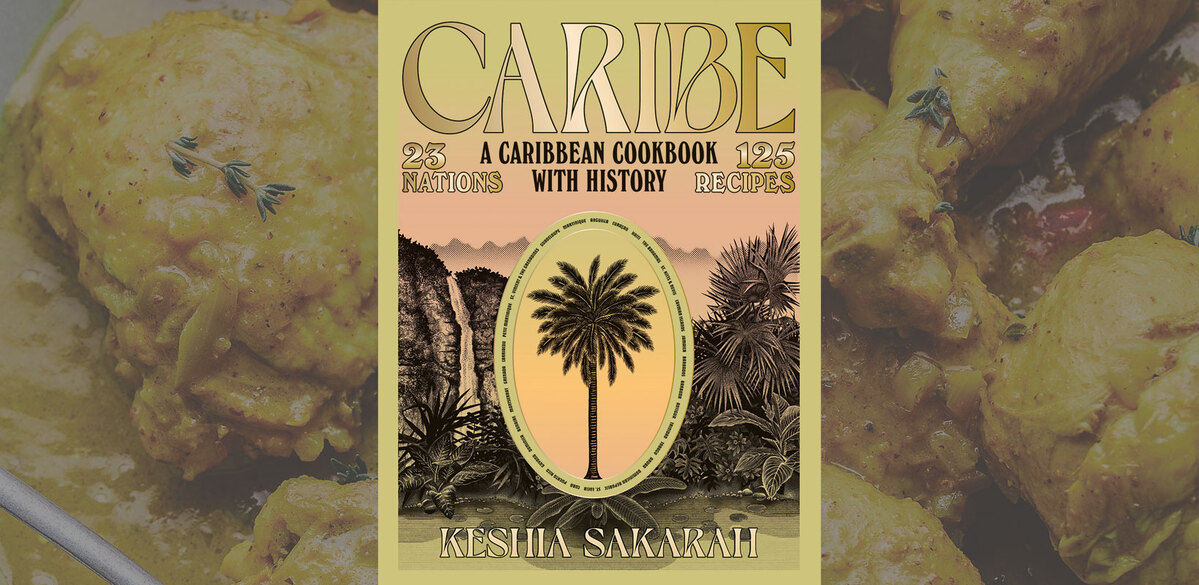
Supper club owner Keshia Sakarah relays a lifetime’s knowledge of Caribbean cooking
Caribe is a wealth of information about a people and its cooking; a deluge of facts from Keshia Sakarah’s book covers 23 nations across the Caribbean and how their culture and the food they produce came to be.
Sakarah, a supper club chef and owner of container restaurant Caribe’ in Brixton in London, has travelled around most of these islands, collecting recipes along the way. She spent her childhood in Leicester, where her family would buy saltfish in the city centre market in the 1990s, but now calls south London home, a word she feels she can only apply to a place where she can source plantain easily.
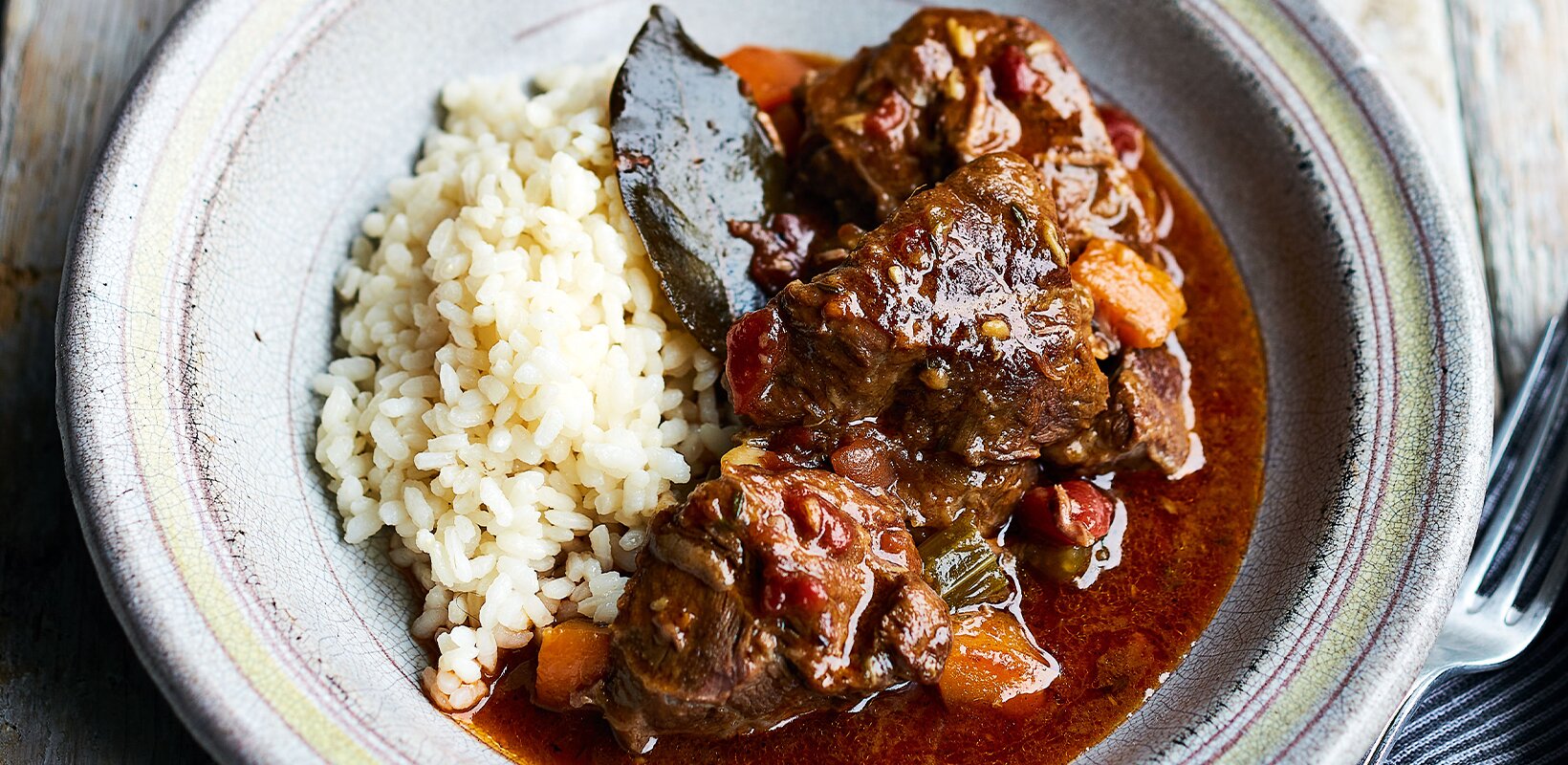
Each chapter in the book deals with an island, offering up the indigenous names of each with information on how they changed under colonialism as well as their recipes. So expect jerk chicken and pork – only authentic when cooked on pimento wood – ackee and saltfish (a dish that has been around since 1778) from Jamaica, and curry goat, served with dhal puri, paratha rice and plantain from St Vincent. Or there’s ropa vieja (meaning old clothes) a beef and black bean stew from Cuba, alongside ‘midnight sandwiches’, a roast pork sandwich made for clubbers.
There are details of the recipes’ ancient roots, how they have been reinterpreted around the world and descriptions of their relevance to the contemporary cook. For example, the Barbados chapter informs us that rum, the origins of which lie in the 17th century, when it was called ‘kill-devil’, is now used as a way to connect the present to the past – when a bottle is opened a little is poured on the floor or thrown over the shoulder as an offering to the deities. Or she explains why there is a graveyard of conch shells in the ocean near the British Virgin Islands; why Grenada is known as the ‘Spice Isle’; that Dominica means ‘tall is her body’; where the term barbacoa comes from; why St Patrick’s Day is celebrated on Montserrat; and why ground provisions are so-called (vegetables grown by the enslaved for sustenance on poor ground).
There are also chapters on bakes, such as festivals (savoury fried dumplings) callaloo patties and empanadas, and one on desserts, which includes ‘grandma’s plate tart’, a spiced coconut creation, and the dense and spiced black cake. Drinks are also covered, with ginger beer, spiced citrus shrubb liqueur and rum punch.
This is as much history book as cookery book, a self-described “lifetime’s work” from Sakarah, with an encyclopaedic recording of the origins of dishes and of a culture as rich as the food it has produced. In short, a fascinating tour of the islands and all they offer.
Caribe by Keshia Sakarah (Quadrille, £30). Photography ©Matt Russell






More from The Caterer
Most Popular




The Acorn Awards 2026
 Sun Jun 7, 2026
The Cateys 2026
Tue Jul 7, 2026
Natural & Organic Food Show
Wed Sep 16, 2026 ExCel London
Artisan Food & Drink Show
Wed Sep 16, 2026ExCel London


The Caterer provides trusted hospitality news, analysis and trends for restaurants, hotels and catering professionals.

Jacobs Media is a company registered in England and Wales, company number 08713328. 3rd Floor, 52 Grosvenor Gardens, London SW1W 0AU.
© 2026 Jacobs Media
