


 Menu
Menu


Michelin keys: What do they mean for UK hotels?
Michelin is soon to bestow its key award for hotels on the UK. But what does it take to win the accolade, and how does it compare to existing hotel awards?

When the Michelin Guide announced the launch of a new key rating system for hotels last year, it took the hospitality industry by surprise. For over 100 years, the tyre company has handed out stars to restaurants around the world, but the AA and Forbes Travel Guide have typically been the benchmark for hotel ratings.
While hotels are not entirely new ground for Michelin, which already recommends 5,300 hotels in 120 countries, it is the first time it has given a dedicated award to accommodation.
The red book awarded its first batch of key awards to hotels in the UK and Ireland in October 2024, with the likes of Le Manoir, Gleneagles and the Connaught receiving accolades.
But what do the initial selections tell us about what Michelin is looking for?
The criteria to win a Michelin key
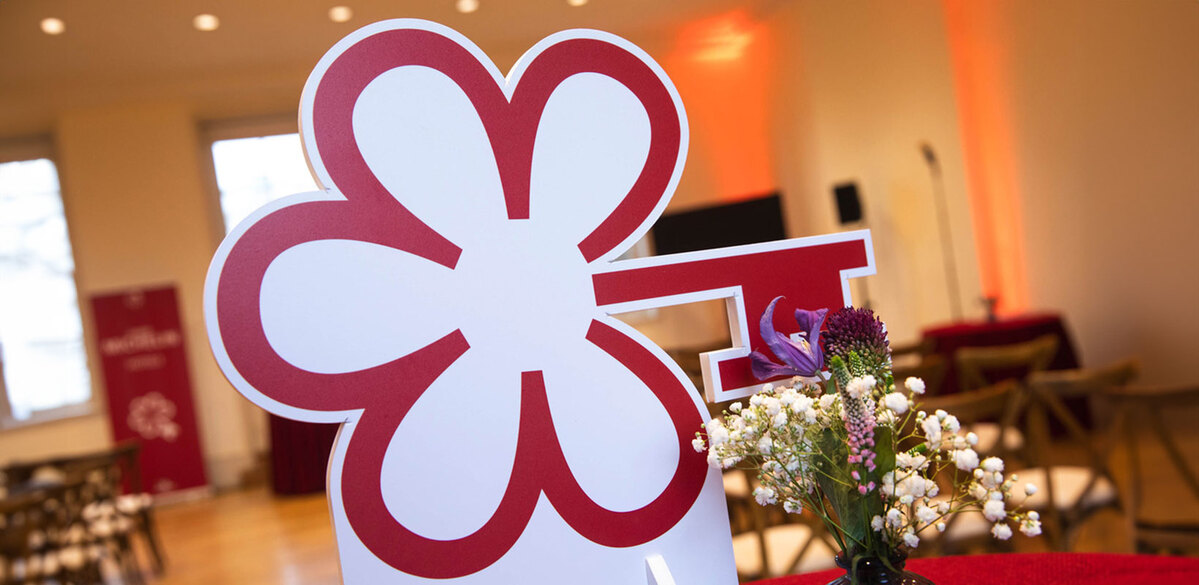
The Michelin key is a three-tiered award designed to highlight the best places to stay across the globe. Hotels can be rated as one key (a special place to stay), two keys (an exceptional stay) or three keys (an extraordinary stay).
The first properties to be awarded Michelin keys include French châteaus, Italian castles, a tiny bed and breakfast in Tuscany and a Soho House members’ club in a former warehouse in Los Angeles.
The properties range from the height of luxury, including the Ritz Paris, to smaller boutique venues, and the list includes a mix of independents and larger groups, including Ace Hotel, Rosewood, Four Seasons and the Dorchester Collection.
Michelin says each hotel is chosen by a team of experts, billed as the counterparts to its famous anonymous restaurant inspectors.
As with restaurants, Michelin seems averse to recognising chains. The guide’s website says in response to the “hyper-standardisation of accommodation… where many hotels share the same design” that it aims to promote hotels that prioritise “architectural design, professional know-how and the existence of a true, identifiable personality”.
Having a Michelin-starred restaurant is no guarantee of a key award, but at the top end it does seem to help. In Paris, all nine of the three-key hotels are home to restaurants with at least one star, and only one in the wider French three-key selection does not feature a Michelin-starred dining room.
Listed hotels are bookable through Michelin’s website, which also includes a map, a list of amenities and services, and ‘need to know’ details, such as check-in times and accepted credit cards.
Michelin is also taking a lead from TripAdvisor with reviews from verified guests listed on each hotel’s webpage, alongside an overall score out of 20. However, it’s likely these will be updated as many are from guests who visited almost a decade ago.
You have viewed all of your 2 articles as an unregistered user
To continue reading register for free, or if you're already a member login below






Most Popular


Webinar: AI for Guest Experience
 Wed Jan 28, 2026
Best Places to Work in Hospitality 2026
Wed Feb 4, 2026
The Caterer Supplier Awards
Thu Apr 16, 2026


The Caterer provides trusted hospitality news, analysis and trends for restaurants, hotels and catering professionals.

Jacobs Media is a company registered in England and Wales, company number 08713328. 3rd Floor, 52 Grosvenor Gardens, London SW1W 0AU.
© 2025 Jacobs Media
