


 Menu
Menu


The big interview: time to show them what you’ve got

Whether you’re being thrown in the deep end with a trial shift or just having a chat on Zoom, we have some tips to help you keep your cool


You’ve sent out your CV, you’ve networked at the jobs fairs and now it’s the big day – the interview. But don’t sweat it, we have some hospitality helpers to keep your confidence high and help you sail through those difficult questions.
Don’t be too humble
Jane Sunley, recruitment expert
“In an interview, remember that once upon a time your interviewer was in exactly the same position as you are in, so aim to talk to them just like another person,” says Sunley.
“I mentor loads of young people and they always say, ‘I can’t say that – that makes me sound really arrogant’, but in that instance you should use pre-emptive statements, such as ‘I hate blowing my own trumpet, but…’ because that shows awareness and humility and a little bit of self-deprecation.”
If you have some experience, she recommends that you keep track of the numbers that demonstrate your achievements, so you can say phrases such as “When I was working in that role, spend per head increased by 10%”.

In-person or over the phone?
Hannah Lawler, resourcing business partner at contract caterer CH&Co
“At entry level, the first stage will be a telephone call. Stage two would then be for you to come into the business, to visit the site if it’s a site-based role, to potentially meet the team and answer formal interview questions.
“For more senior positions, we host assessment centres where candidates are asked to prepare a presentation, complete a financial task or challenge, and take part in a more structured interview.”
Don’t forget to say thank you
Liam Hatcher, head of people and development at contact caterer CH&Co
“To interview well, research the company you have chosen to potentially work for, practise answers for commonly asked questions and prepare insightful yet authentic questions to ask the interviewer about the role, the business and the culture.
“Dress appropriately and arrive on time. Be confident, maintain positive body language, actively listen and be yourself. Highlight relevant skills and experiences concisely. Follow up with a thank you note and reiterate excitement about the prospect of working for the company.”

Be ready for your trial shift
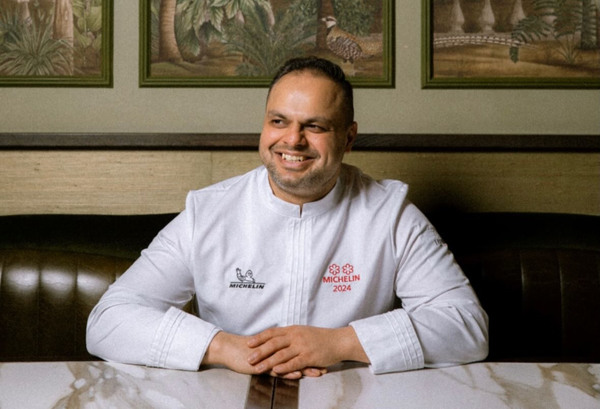
Jun Tanaka, chef-patron, the Ninth restaurant
“When we have a chef de partie on trial, we start by testing their knife skills. We will ask them to cut, brunoise and chop herbs, and to help with the vegetable prep. If they are senior, we will ask them to help with fish and meat prep. Trial chefs will be on the pass with the head chef for plating up.
“If you are interviewing for front of house, you will help clear the tables and top up the wine.”
Think of practical examples
Natasha Glaser, resourcing team leader at contract caterer Elior
“It’s essential to demonstrate how your previous experience matches the skills and responsibilities required for the job. Real examples are infinitely more convincing than just stating you possess skills. Try practising beforehand so you can work on your delivery and presentation skills.”
Be kind
Gayle Kitiyanuphap, people and development team at Rosa’s Thai restaurants
“We look for people who demonstrate kindness towards other members of the team and who are prepared to get stuck in and work hard. And they have to love food!”
Be guest-focused
Liam Nelson, director of operations, Marceline
“Remember that hospitality is a service industry. We deal with guests, not customers. Show that you can form a meaningful connection with your interviewer and that you want to create memorable, positive experiences. We’re looking for a willingness to learn and a respect for the industry.”

Get to know the menu
Giorgia Ferrara, assistant manager of people and culture at the Lore hotel group
“If you have a trial shift in a restaurant, take a look at the menu and the drinks list beforehand. That way, you’ll already have a rough idea of the dishes they serve, so if they ask you to bring the salad to table 10, you’ll know the salad they are talking about and you’ll feel a lot more confident. That will show in the way you move and the way you talk, and will impress the restaurant manager.”
The big no-nos
- Don’t talk negatively about previous employers. Focus on the positives instead and emphasise how you dealt with challenging situations.
- Don’t exaggerate or embellish. Your interviewers will find out eventually.
- Don’t look like you haven’t understood the company. If it’s a casual brand, you don’t need to be dressed in a suit and tie – match the business.
- Don’t stand still on a trial shift. Be as productive as you can.
- Don’t panic. If you stumbled over your words, don’t worry, just breathe and move on to the next question.
- Don’t ghost them. If you’ve changed your mind, let the hiring team know. You never know if you will see that company again in the future.










HRC
 Mon Mar 30, 2026
 ExCel London
The Caterer Supplier Awards
Thu Apr 16, 2026
The Caterer People Summit 2026
Thu May 14, 202658VE, London
The Acorn Awards 2026
Sun Jun 7, 2026

The Caterer provides trusted hospitality news, analysis and trends for restaurants, hotels and catering professionals.

Jacobs Media is a company registered in England and Wales, company number 08713328. 3rd Floor, 52 Grosvenor Gardens, London SW1W 0AU.
© 2026 Jacobs Media

