



 Menu
Menu


‘Heartbroken’: BrewDog co-founder apologises for ‘many mistakes’
James Watt said he was “heartbroken” for staff and investors who had lost jobs and money
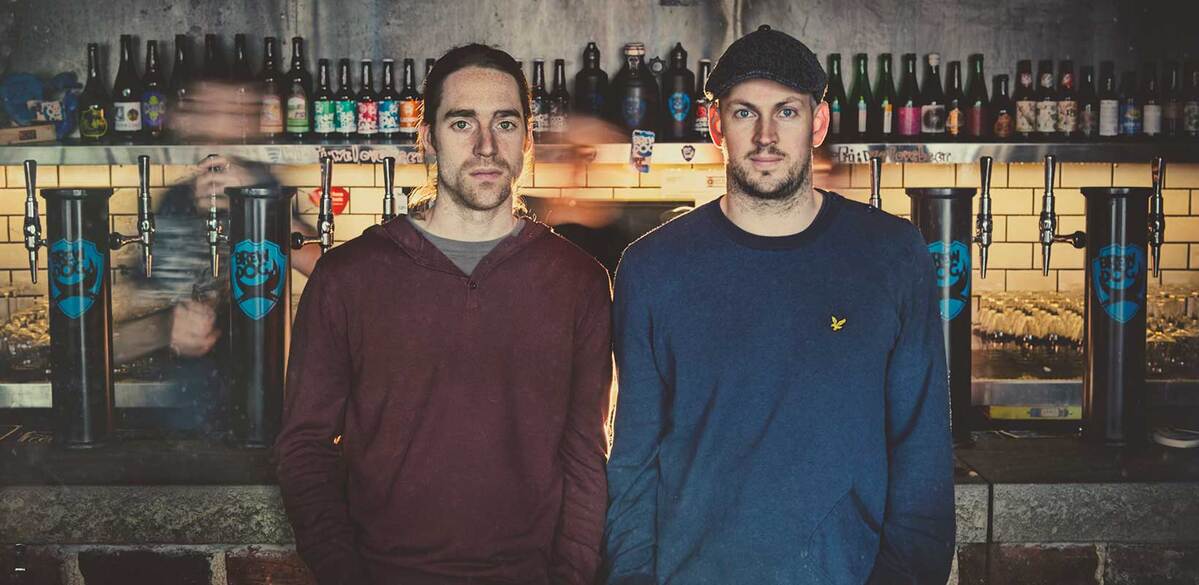
BrewDog co-founder James Watt said he was “heartbroken” following the sale of the business to Tilray Brands, which has resulted in dozens of pub closures and hundreds of job losses
BrewDog brewery and 11 of its pubs were sold to the US firm for £33m – but its remaining 38 pubs have closed after failing to secure a buyer, resulting in 484 redundancies.
Watt, who co-founded the craft beer specialist in 2007 alongside Martin Dickie, said it had been an “incredibly hard” week and that he was “heartbroken” for staff and investors who had lost jobs and money as a result of the firm’s collapse.
In a post on LinkedIn, Watt said he had “no idea” how to run a business when he co-founded BrewDog aged 24, and acknowledged that “there were highs, lows, successes, failures, huge gambles and many mistakes along the way”.
“With the benefit of hindsight, there are also so many other things I would have done differently,” Watt added.
“At times we expanded too fast and diversified too broadly. During certain periods I did not control spend well enough across the business and furthermore I feel that I did not respond to certain crises that we faced (and we faced many) in a way that was authentic and true to who I am. Those decisions sit with me.”
Watt stepped down as chief executive as BrewDog in 2024, three years after more than 100 employees accused the business of fostering a “culture of fear” which hinged on a “cult of personality” around its co-founders.
Earlier this week, former managing director James Brown blamed a spike in government-imposed costs as a large contributor to BrewDog demise.
“This isn’t unique to BrewDog. It’s happening across thousands of venues up and down the country. The difference here is brand awareness, scale and visibility,” he said.
“For years now, government policy on rates and employment taxes has steadily eroded confidence in hospitality. The result? Over 200,000 hospitality jobs lost in recent years. Yesterday, another 484 economically active, tax-paying contributors were added to that number, people now potentially reliant on the state instead of strengthening it.”



The Caterer provides trusted hospitality news, analysis and trends for restaurants, hotels and catering professionals.

Jacobs Media is a company registered in England and Wales, company number 08713328. 3rd Floor, 52 Grosvenor Gardens, London SW1W 0AU.
© 2026 Jacobs Media

