



 Menu
Menu


Closures tracker: The hospitality firms shuttering amid mounting cost pressures
We round up the hotels, restaurants, pubs and bars that have been forced to close due to the increasing tax burden faced by hospitality operators
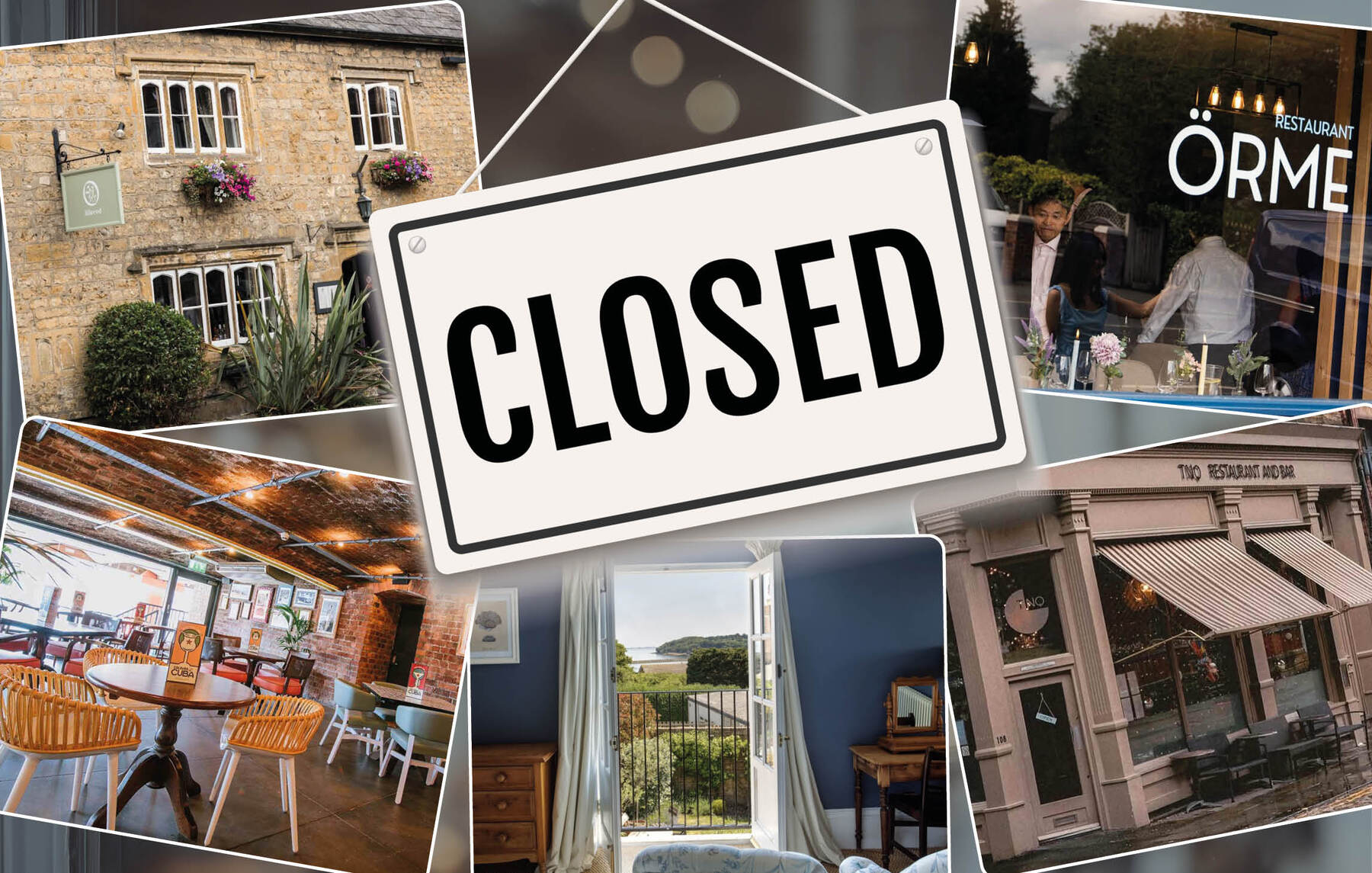
It’s no secret that hospitality has been hit hard with more than its fair share of extra costs in recent years.
The sector has shouldered nearly £7b worth of tax rises over the course of the last two Budgets successively, according to UKHospitality, and for many the cost of running operations against this backdrop has become too great to bear.
Hospitality closures hit four a day at the end of last year, and UKHospitality has warned they are set to accelerate to as many as six a day in 2026 as businesses struggle to shoulder an avalanche of rising costs across business rates, National Insurance Contributions and rising energy bills.
And despite the rates relief package for pubs unveiled by the government last month, concerns about the viability of many hospitality businesses remain for many operators across the industry. Tommy Banks, chef-patron of the Michelin-starred Black Swan in York, told The Caterer that he “dreaded to think how many businesses will close in the first quarter of this year”.
Here, The Caterer rounds up the closures that have taken place so far in 2026 for hospitality firms that can no longer justify the cost of running a business.
The Mount, Warwickshire
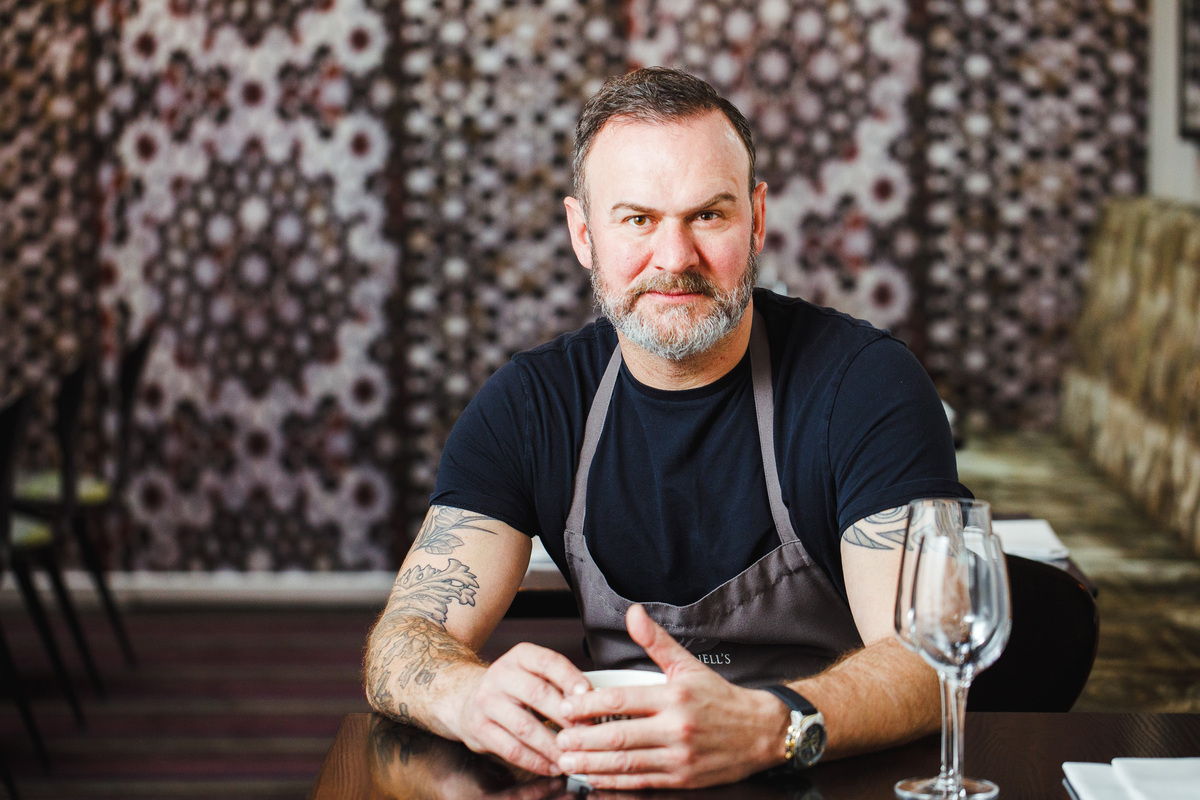
Henley-in-Arden pub the Mount by Glynn Purnell has confirmed it will close in March after four years of mounting operational costs.
Purnell, who closed his Michelin-starred Birmingham restaurant Purnell in 2024 after 17 years of trading, said: “The hospitality landscape has become increasingly challenging and, despite everyone’s hard work, it’s simply not sustainable to continue.”
The pubs owners, husband and wife team Luke and Tania Fryer, added: “This has been an incredibly difficult decision for us to make. We are so proud of what the Mount has achieved since opening in March 2022 and of the team who have worked tirelessly to make it such a welcoming and well-regarded pub.
“However, with the continued rise in operating costs – from food and drink to energy and general overheads – it has become clear that the business is no longer viable.”
The pub will hold its final service on 15 March.
Restaurant Örme, Manchester
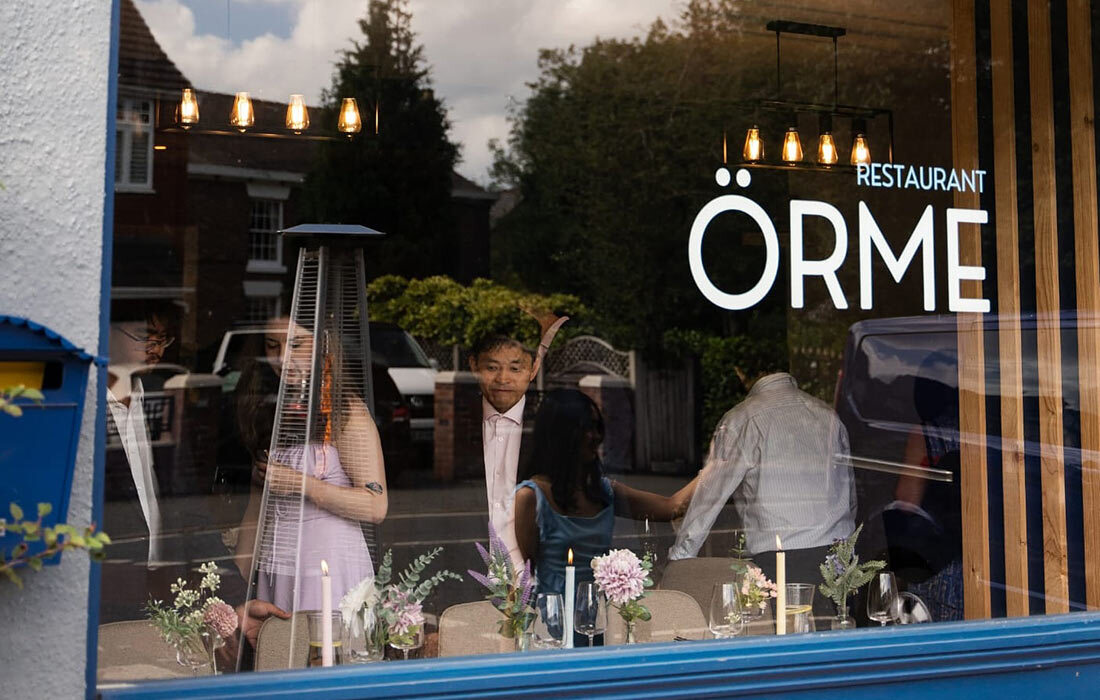
Owners of the Michelin Guide-listed Örme in Urmston, Manchester, confirmed plans to close the restaurant and sell the site in February.
In a post on Instagram, Tom Wilson, Rachel Roberts and chef-patron Jack Fields said continuing to operate was unfeasible in the face of “significant economic pressures”.
The restaurant, which opened in 2023, had not yet confirmed a closing date, but urged any voucher holders to book as soon as possible.
Michelin praised the independent restaurant, which offers tasting menus and à la carte options with a focus on “the best of British cuisine”, and said it served “bold, vibrant flavours with a mix of the classic and the modern”.
Emba, Leeds

Emba, the Michelin Guide-listed gastrobar, will close its doors in March in a move that chef-patron Liz Cottam said left her “heartbroken, but sadly not surprised”.
Cottam, who was a semi-finalist in the 2016 series of MasterChef, opened Emba in May 2025 following a rebrand of her former establishment, Owl, which she founded in 2019.
The decision to close after 18 months of trading came as Cottam said the government offered “no meaningful help” for the hospitality industry in the face of mounting cost pressures.
It follows the closure of Cottam’s Michelin Guide-listed restaurant Home in 2024, which shuttered after eight years of trading after “succumbing to insurmountable economic pressures”.
TNQ, Manchester
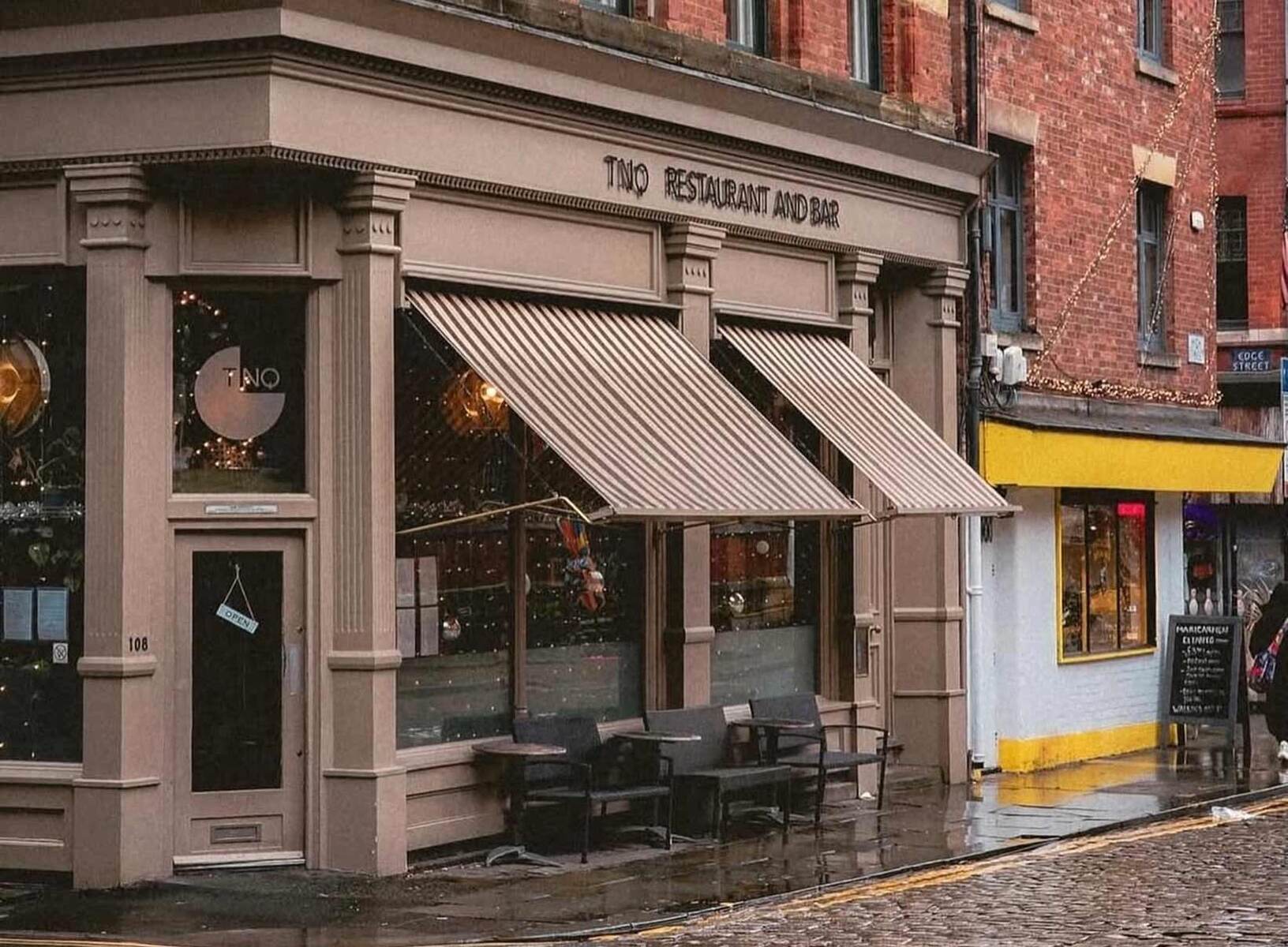
Neighbourhood restaurant TNQ in Manchester’s Northern Quarter closed in February after 22 years of trading ahead of rising business rates costs, which are due to come into effect in April.
The restaurant’s founders Jobe Ferguson and Anthony Fielden said: “We are unfortunately closing the doors to TNQ for good. We’ve made it through the banking crisis, double dip recessions and Covid, but the current climate has made the restaurant no longer a viable business.
“An increase in energy bills, wages, soaring food costs and the further imminent increase in business rates have created the perfect storm, resulting in the closure of our beloved restaurant.”
The restaurant’s owners said the decision to close came despite being regularly fully booked, as that was “just not enough to be a sustainable business” in the current climate.
The Revel Collective
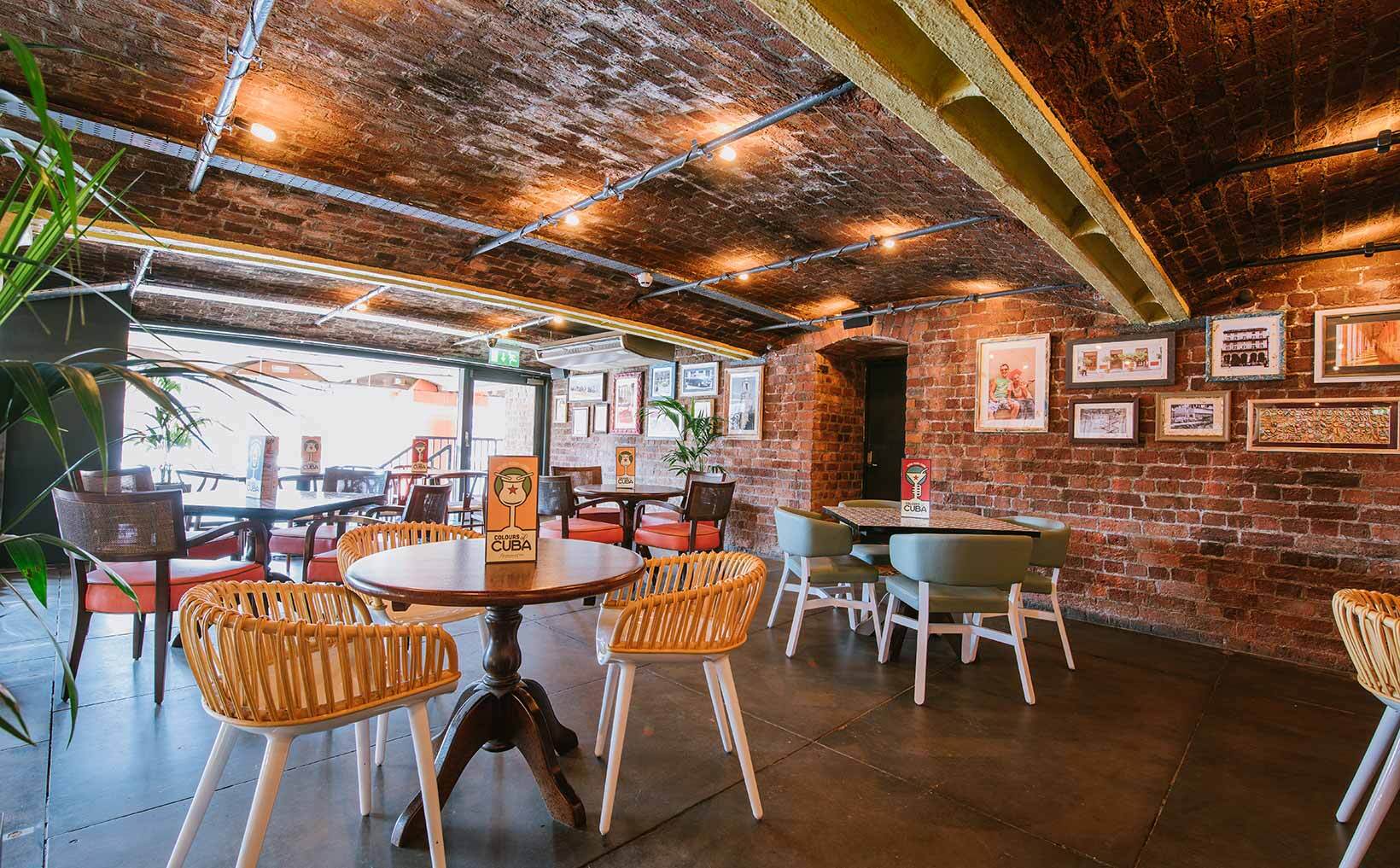
The Revel Collective, which operated 62 sites across the Revolution, Revolución de Cuba and Peach Pubs brands, fell into administration last month.
The business had secured buyers for the majority of its locations but closed 21 sites with immediate effect, resulting in 591 redundancies. It said the “cumulative impact of government interventions in the last Budget have combined to thwart the business’s ability to improve performance”.
Revel Collective added that costs associated with changes to the employer National Insurance Contribution threshold, minimum wage and duty on spirits stood in excess of £4m per year.
The group’s Revolution and Revolución de Cuba brands and assets were sold to Neos Hospitality Group, while the Peach Pub sites were acquired by the new Coral Pub Company, saving 41 sites and 1,582 jobs.
The Ollerod, Dorset
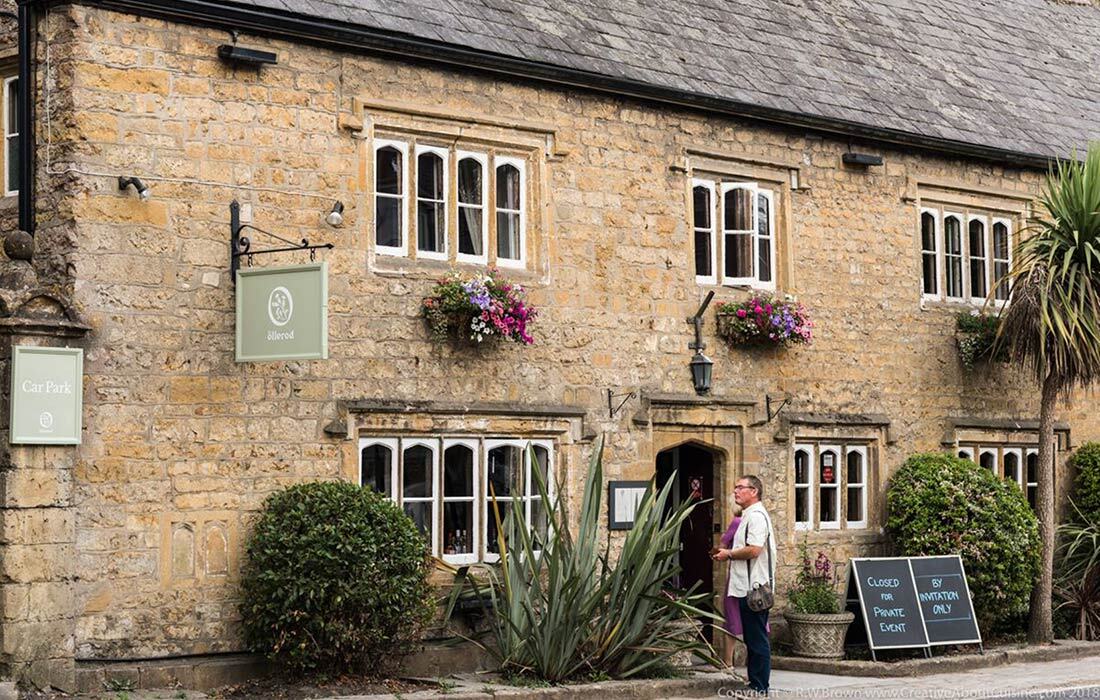
The Ollerod hotel in Beaminster, Dorset, will close its restaurant in March after eight years of trading.
Owner Silvana Bandini said although “having a hospitality business without food goes against all my instincts” the restaurant’s closure was “the only feasible option to survive this challenging economic time”.
In a post on Instagram, Bandini added: “I’m sure you’re all aware that the hospitality industry is on its knees at the moment, and sadly the Ollerod is no different. The economic state and rising costs leave me no choice. The cost of ‘feeding people’, with all the wages (chefs, pot wash, servers) plus the astronomical increase in the actual cost of food, means that the revenue generated from food no longer even covers these two costs.”
Bandini, who previously worked at the Pig near Bath and has operated the hotel since 2018, said the Ollerod’s restaurant would have needed to either double its customer numbers or the prices of its dishes to remain economically viable.
The Dorset hospitality business will continue to operate as a hotel and pub and serve a continental breakfast.
Foresters Hall, Isle of Wight
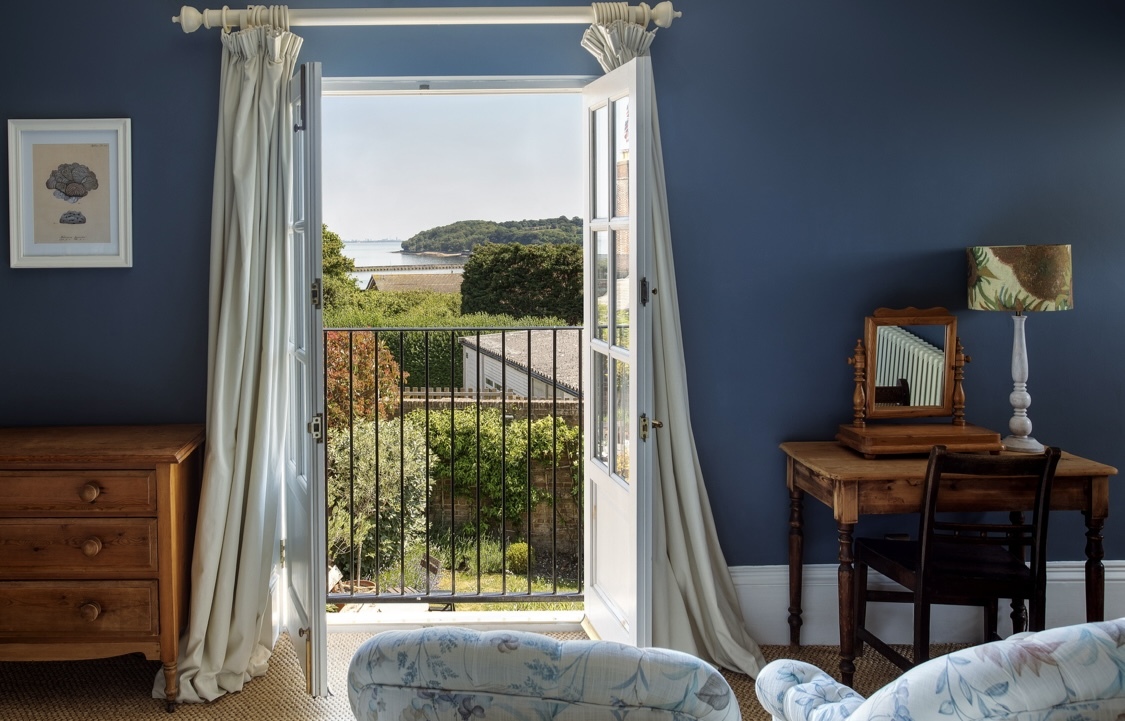
The 14-bedroom Foresters Hall, a Michelin key hotel in Cowes on the Isle of Wight, closed in January after failing to secure an offer since raising the ‘for sale’ sign in 2024.
Co-owner Sara Curran told The Caterer that she and her husband and business partner Peter Sussman had hoped the hotel could remain open under new owners, but added that increased operational costs, including business rates and National Insurance Contributions, made securing a buyer “very challenging”.




Most Popular


HRC
 Mon Mar 30, 2026
 ExCel London
The Caterer Supplier Awards
Thu Apr 16, 2026
The Caterer People Summit 2026
Thu May 14, 202658VE, London
The Acorn Awards 2026
Sun Jun 7, 2026


The Caterer provides trusted hospitality news, analysis and trends for restaurants, hotels and catering professionals.

Jacobs Media is a company registered in England and Wales, company number 08713328. 3rd Floor, 52 Grosvenor Gardens, London SW1W 0AU.
© 2026 Jacobs Media
