


 Menu
Menu


Think outside the bottle: How to use keg and boxed wines
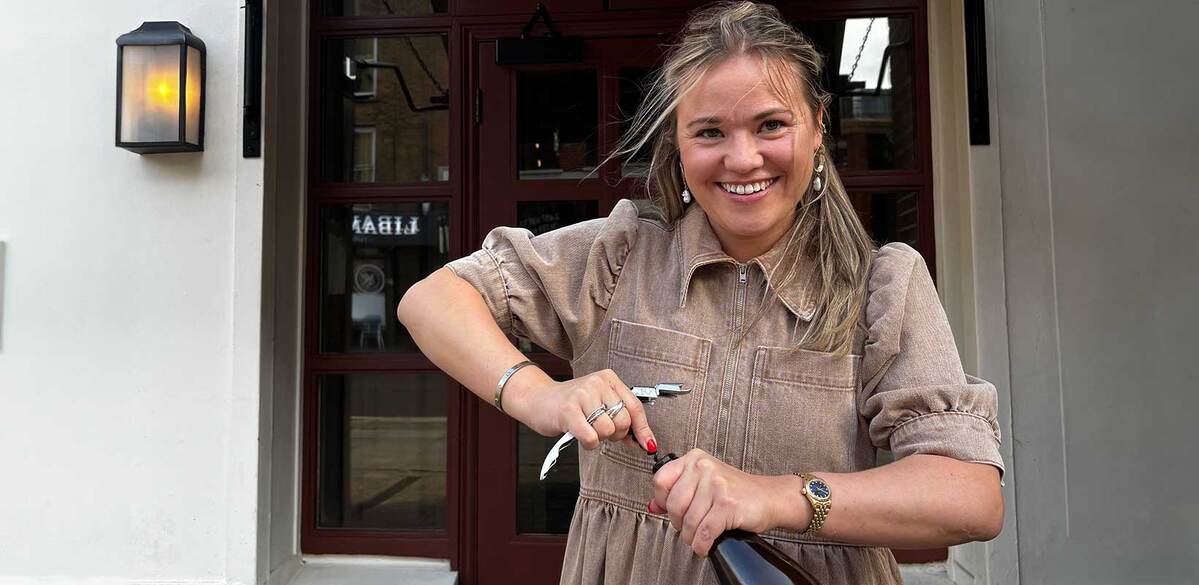
Whether its high-quality boxed wines or efficient kegs taking up less cellar space, there’s definitely a place for wine without the bottle, says Alex Price
It is encouraging to see so many wine makers and wine importers continue to think ‘outside of the bottle’ to bring consumers excellent products that can be enjoyed in other ways, especially with the current focus on sustainability and costs.
I have always been a massive champion of wine on tap for a multitude of reasons, and have followed the progress of industry leaders, such as Uncharted Wines, which has significantly grown its wine on tap business. Uncharted Wines began in 2017, selling its 20-litre kegs of Le Grappin’s Beaujolais Nouveau to a small handful of restaurants, and now imports more than 60 wines in keg and supplies 100 restaurants. This incredible uptake comes with a huge reduction in waste for these restaurants, with some saving up to 12 metric tonnes of glass waste per year, while also removing the need for closures, capsules, labels and cardboard.
Those who work in London restaurants know that cover count is often prioritised over storage space, so if an operator is offered the opportunity to reduce cellar space by 50%, savvy sommeliers will jump on it. And it’s not just space that is reduced – kegs are proven to reduce liquid wastage significantly, too. Kegs stay fresh for up to two months, so there is little to no chance of the wine oxidising and no additional cost from corked bottles.
Furthermore, wine on tap offers a versatility that extends beyond sustainability and practicality: the alternative format allows restaurants to offer a broader range of wines by the glass without committing to excessive stock, thus maintaining a regularly changing list and passing on the noticeable reduction in costs to their guests.
When it comes to bag in box wine, last year Bobo Wines made it its mission to change its reputation, seeking out delicious small-production organic winemakers chosen by its talented sommelier, Amber Gardner, and packaging it in chic boxes that last much longer than a bottle (and look great).
However, the one format I’m struggling to accept is cans. While there is most certainly a time and a place for canned wines, especially in casual, on-the-go settings, such as travel, picnics, festivals or outdoor events, in my opinion it seems to struggle within the context of hospitality, where the quality of wine is often higher and the ceremonial aspect or theatre of pouring and serving it plays an important role in its enjoyment.
That said, their convenience and eco-friendly appeal makes for an exciting option for retail and certain casual environments, especially as consumer demand for sustainable practices continues to grow and brands such as Djuce continue to raise the bar.
Overall, whether it is wine on tap or bag in box, now is most definitely the time to be exploring alternative methods of packaging as there have been huge advancements in the quality of what’s available. The benefits for both venues and guests are immeasurable, and freeing up that extra space (and cash) in the cellar is always a treat.
Alexandra Price is head of wine at Plates restaurant in London
Do you have a question for one of the Drinks Doctors? Send your query to drinks@thecaterer.com





More from The Caterer
Most Popular


The Acorn Awards 2026
 Sun Jun 7, 2026
The Cateys 2026
Tue Jul 7, 2026
Natural & Organic Food Show
Wed Sep 16, 2026 ExCel London
Artisan Food & Drink Show
Wed Sep 16, 2026ExCel London


The Caterer provides trusted hospitality news, analysis and trends for restaurants, hotels and catering professionals.

Jacobs Media is a company registered in England and Wales, company number 08713328. 3rd Floor, 52 Grosvenor Gardens, London SW1W 0AU.
© 2026 Jacobs Media
