



 Menu
Menu


There’s a whole garden of rosés to choose from
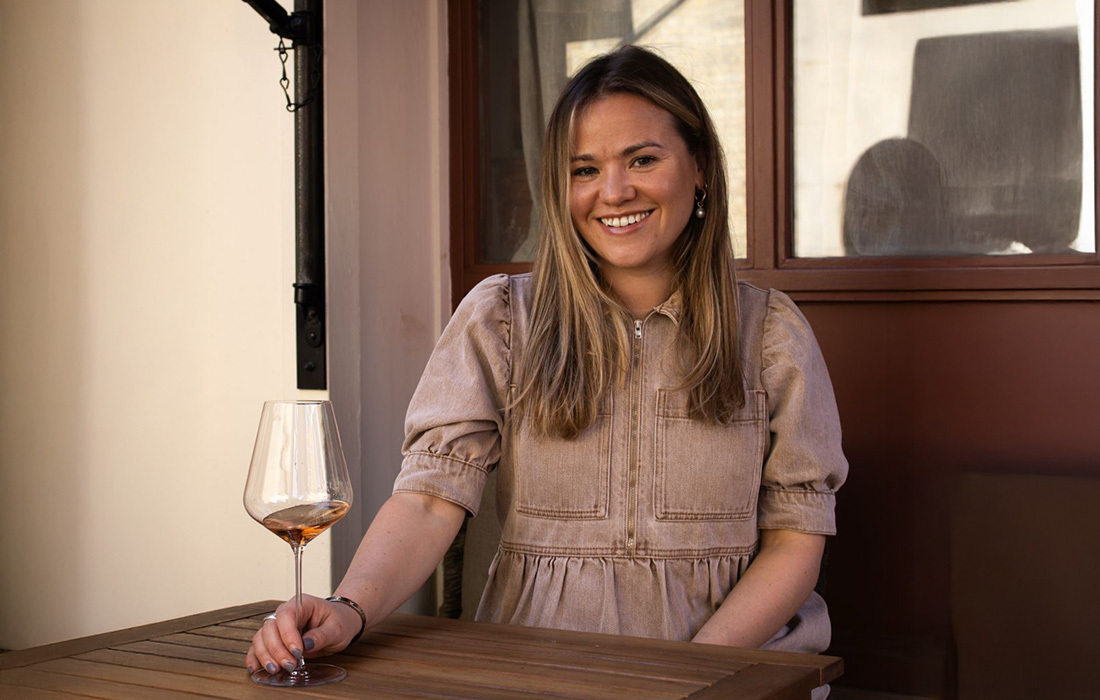
From a glass of the palest Provence pink to more complex saignée styles, rosés offer more variety than simple summer staple
We all know that as soon as the sun comes out, rosé sales skyrocket, with Provençal styles consistently leading the way. So, it’s no surprise that many still think of rosé – especially the pale kind – as a fair-weather wine. But that doesn’t have to be the case.
I’ve always been an advocate for rosé year-round, often leaning towards darker, more structured styles that shine on the table and pair brilliantly with food. Not long ago, Star Wine List put rosé in the spotlight, highlighting some of the best UK venues that have taken a more considered approach and curating lists that celebrate the full spectrum of styles.
The team at Terrace Rooms & Wine in Ventnor on the Isle of Wight rightly took home Star Wine List’s Gold Star for its comprehensive rosé offering. Its list spans the A to Z of winemaking styles, from the New World to regional France and mainland Europe. It reflects not only the seaside setting and the natural demand for rosé by the coast, but also a desire to challenge perceptions.
While the beautiful wines of Provence will always have their place, there’s something exciting about being able to offer a guest a wine they might usually avoid. First, it’s about reading the room – is your guest looking for something familiar, or are they open to being nudged towards something a little different? If it’s the latter, that’s where the fun begins. You’ve got space to pour rosés that have spent longer on their skins, or those made via the saignée method – a byproduct of red wine production where the juice is ‘bled off’ to produce wines with texture, structure and even ageing potential. You’ll often see this style in regions such as Tavel or Bordeaux, where rosé isn’t just a seasonal afterthought, but something with real character.
I recently attended a brilliant tasting at Counter in Soho in London focusing on the ‘Iconic rosés of Europe’, where many of the styles were varying shades of dark pink. Among the line-up we tasted the iconic and hard to find Gran Reserva Rosado from Lopez de Heredia in Rioja. This is a brilliantly robust wine that is onion skin in colour and bursting with macerated red berry fruit, gentle spice and an earthy leather note alongside a feast-worthy structure from the four years spent in barrels.
For the pairing at Plates, we experiment with unusual rosé styles to go with dishes that have the perfect combination of rich complex notes with an edge of uplifting acidity. This often works well with rosés that bring texture, complex fruit profiles and an added level of either savoury or saline notes. One of my favourite pairings was a Lagrein rosé from the Italian alpine produce Nusserhof that was brimming with cranberries, herbs and an unusual nuttiness that worked perfectly with a artichoke risotto with toasted hazelnuts and blood orange jam, created by Kirk Haworth, co-owner of Plates.
Wines like this prove that rosé is worth taking seriously, making it a worthy choice beyond sunny days, prompting curiosity and discovery for both the sommelier and the guest.
Alexandra Price is head of wine at Plates in London
Do you have a question for one of the Drinks Doctors? Send your query to drinks@thecaterer.com






More from The Caterer
Most Popular




The Acorn Awards 2026
 Sun Jun 7, 2026
The Cateys 2026
Tue Jul 7, 2026
Natural & Organic Food Show
Wed Sep 16, 2026 ExCel London
Artisan Food & Drink Show
Wed Sep 16, 2026ExCel London


The Caterer provides trusted hospitality news, analysis and trends for restaurants, hotels and catering professionals.

Jacobs Media is a company registered in England and Wales, company number 08713328. 3rd Floor, 52 Grosvenor Gardens, London SW1W 0AU.
© 2026 Jacobs Media
