


 Menu
Menu


Unlocking the opportunity of low- and no-abv beer
Expert opinion from the European Union – how hospitality sites can appeal to a wide demographic of consumers with flavour-forward low and no alcohol beer
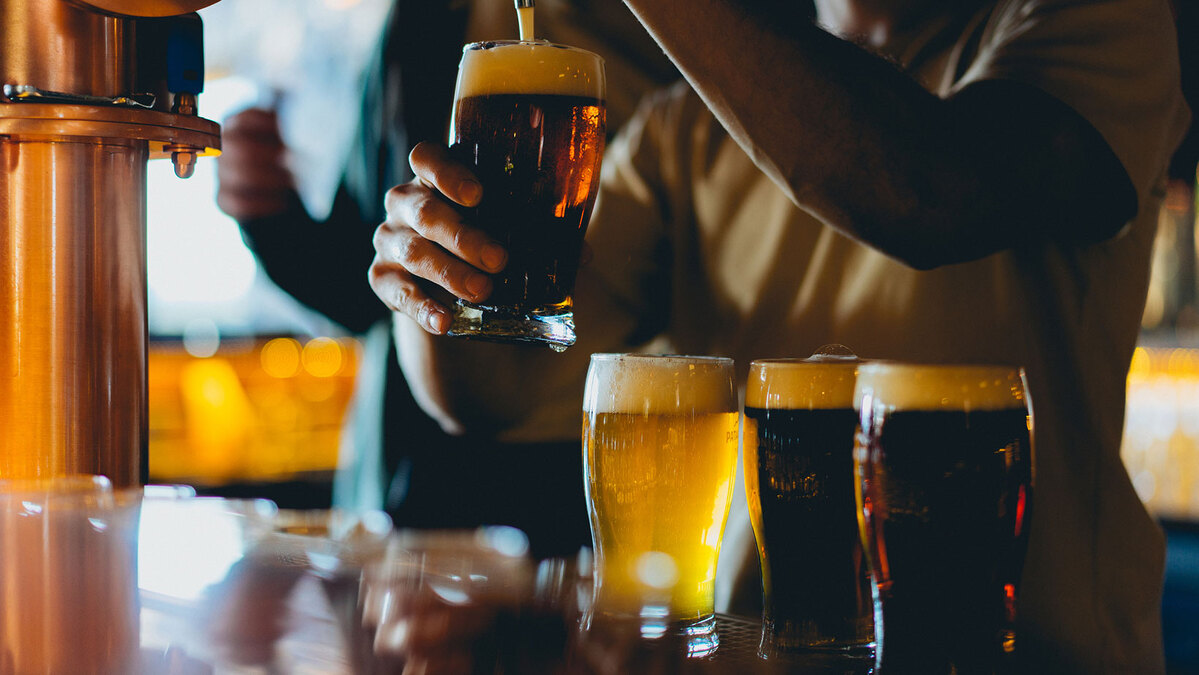
As we move into the height of summer, there’s no better time for hospitality venues to re-evaluate how they serve the modern drinker. While the sunshine still draws crowds to pubs, restaurants and terraces, many customers are now approaching drinking more mindfully – seeking lower-abv options or avoiding alcohol altogether, without compromising on taste or experience.
This cultural shift is becoming increasingly evident. Alcohol-free and low-abv beers are no longer an afterthought or a January-only trend – they’re a year-round expectation. For operators, the opportunity is clear: expand the range, improve the visibility and ensure the offer is good enough to stand alongside any full-strength pour.
A draught alcohol-free beer, for example, removes the stigma for those who don’t want to highlight that they’re not drinking. It creates inclusivity and helps customers feel like part of the group, whether they’re moderating, abstaining or simply after a lighter option on a warm afternoon.
A broad and growing audience
While younger drinkers are often credited with driving the moderation movement, anecdotally I’m seeing this trend span all adult age groups. Older drinkers are choosing to reduce their alcohol intake for health reasons, while younger adults are still keen to socialise, but are more conscious of balance. That cross-generational demand means venues can appeal to a wider demographic – offering trusted alcohol-free lagers for traditional drinkers, and flavour-forward craft styles for more experimental palates.
EU brewers leading the way
Some of the most exciting low-abv innovation is coming from across the European Union. In the Netherlands and Denmark, craft brewers are really pushing boundaries, experimenting with fermentation techniques and non-traditional ingredients to create beers that are flavour-first rather than simply functional. These aren’t just low in alcohol, they’re genuinely interesting drinks in their own right.
In Germany and Spain the quality of alcohol-free lager is often outstanding. German brewers in particular have refined their techniques over decades, producing crisp, balanced lagers that are almost indistinguishable from their alcoholic counterparts. Germany is also home to excellent alcohol-free wheat beers and citrusy radlers – light, refreshing styles that are ideal for summer menus.
Even Ireland is making headway in this space. With stout enjoying a resurgence, several producers have focused on replicating that familiar roasted character and creamy mouthfeel in alcohol-free formats with surprisingly good results. It’s a category worth watching.
Lager remains king – but other styles are growing
In hospitality, lager continues to dominate as the bestselling alcohol-free style. It’s approachable, food-friendly and familiar. But other styles are gaining traction too. Wheat beers, lighter pale ales, stouts and even sours are finding their place on menus, especially in venues with a strong food or craft focus.
Menu visibility and staff engagement matter
How these beers are presented makes a real difference. Alcohol-free options should be listed clearly, not hidden at the bottom of a menu or at the back of the fridge. Tasting notes can help guide guests toward unfamiliar styles, and importantly, staff need to be aware of what’s available and confident in recommending them.
Common pitfalls to avoid
Too often, low-abv options are overlooked by staff or poorly displayed. Worse still is a dismissive attitude that suggests these products are inferior. The reality is that they offer the same potential to enhance guest experience and increase spend especially when treated with the same care and attention as their alcoholic counterparts.
A chance to unlock new occasions
There’s also scope to attract customers at new times of day. Having a varied selection of alcohol-free beers can help bring people back to the pub for lunch. We’re already seeing supermarkets include them in meal deals, and that trend could carry across to on-trade settings.
Ultimately, I believe low- and no-alcohol beers could be part of the long-term evolution of the British pub. Those who cater to mindful drinkers and non-drinkers are setting the pace for a more inclusive and more sustainable future for hospitality.
Mark Dredge is a beer writer, presenter and ambassador to the EU’s ‘More Than Only Food & Drink’ campaign




Most Popular


Webinar: AI - building trust in the workplace
 Wed Feb 18, 2026
HRC
Mon Mar 30, 2026 ExCel London
The Caterer Supplier Awards
Thu Apr 16, 2026
The Acorn Awards 2026
Sun Jun 7, 2026


The Caterer provides trusted hospitality news, analysis and trends for restaurants, hotels and catering professionals.

Jacobs Media is a company registered in England and Wales, company number 08713328. 3rd Floor, 52 Grosvenor Gardens, London SW1W 0AU.
© 2026 Jacobs Media
