



 Menu
Menu


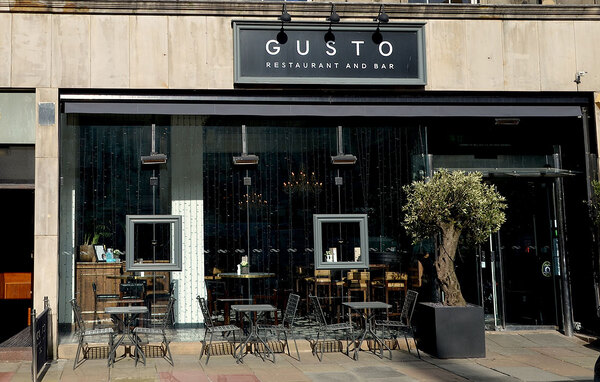
Gusto restaurants owed £11.9m to creditors
The premium Italian chain was acquired out of pre-pack administration for £2.53m
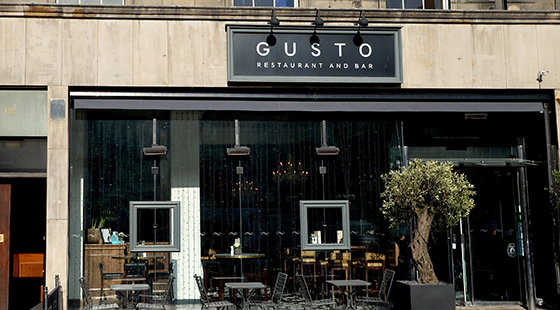
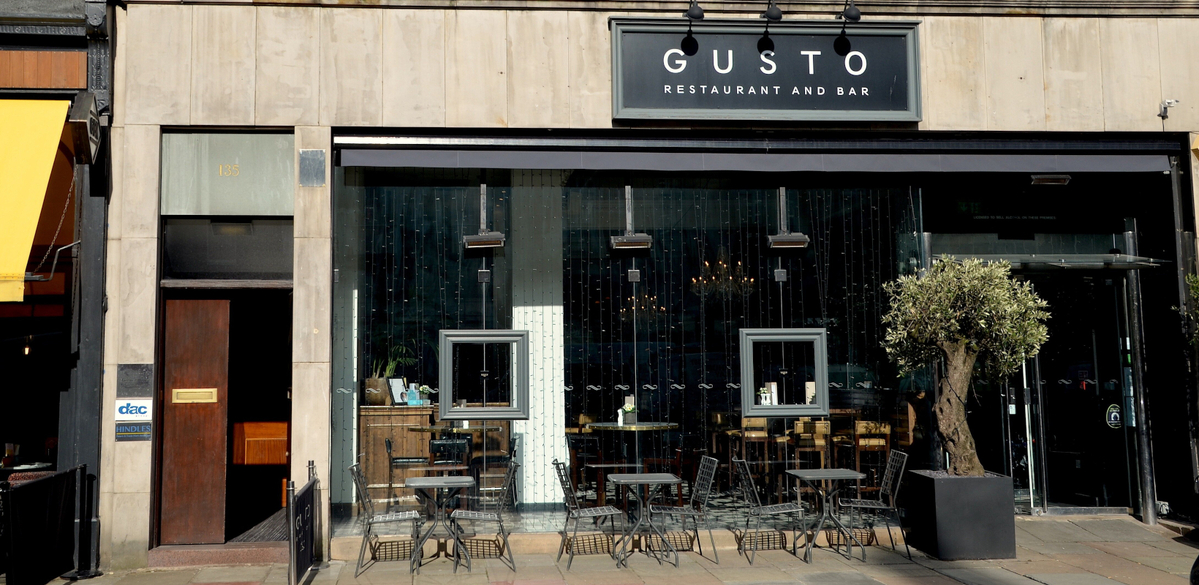
Italian restaurant chain Gusto owed roughly £11.9m to creditors when it was acquired out of pre-pack administration last month.
Seven of the group’s 13 restaurants were sold to Cherry Equity Partners, the investment firm led by hospitality veterans Ed Standring and Jamie Barber, saving more than 300 jobs.
The process also resulted in the closure of six Gusto restaurants and around 190 redundancies.
The deal is the third acquisition by Cherry Equity Partners this year following the buyout of Latin American restaurant group Cabana in January and French-themed restaurant chain Bistrot Pierre in March.
According to the administrators’ report from Interpath Advisory, selected trade and assets of the Knutsford-based business were sold to Cherry Two and Cherry Equity Three for £2.53m.
Gusto owed £7.9m to investor Ensco, which held a fixed and floating charge over the company’s assets when administrators were appointed; £190,000 to employees; £1.3m to HMRC and £2.5m to unsecured creditors.
While employees (ordinary preferential claims) are expected to be “repaid in full”, the administrators warned other creditors would likely suffer “a shortfall on its lending”.
In Gusto’s results for the year ended 30 September 2023, net liabilities were around £3.1m. In the financial year ending 30 September 2024, the company generated turnover of £27.2m and a loss before tax of £1.8m.
Gusto was founded in 2005 by Jeremy Roberts and the late Tim Bacon of Living Ventures Group.
It operated a network of 13 Italian-inspired premium restaurants throughout the UK under the Gusto brand.
The restaurant chain secured backing from private equity firm Palatine in 2014 with millions pumped into its growth plans in the following years.
In October 2020, the group entered into a Company Voluntary Arrangement CVA, which enabled Gusto to exit underperforming sites, reduce rents at marginal sites for a limited period, and restructure its balance sheet. The company exited the CVA in October 2022.
However, the business still suffered from a dip in post-pandemic trading, which was aggravated by rising cost-inflation, falling consumer confidence, increased employer’s National Insurance Contributions and minimum wage increases, the administrators said.
In December 2024, Palatine, the group’s majority shareholder, contacted Interpath Advisory to understand available options for the company.
You have viewed all of your 2 articles as an unregistered user
To continue reading register for free, or if you're already a member login below





More from The Caterer
Most Popular



Webinar: AI for Guest Experience
 Wed Jan 28, 2026
Best Places to Work in Hospitality 2026
Wed Feb 4, 2026
The Caterer Supplier Awards
Thu Apr 16, 2026


The Caterer provides trusted hospitality news, analysis and trends for restaurants, hotels and catering professionals.

Jacobs Media is a company registered in England and Wales, company number 08713328. 3rd Floor, 52 Grosvenor Gardens, London SW1W 0AU.
© 2025 Jacobs Media
