



 Menu
Menu


London hospitality venues could open later under new powers for London mayor
Late-night opening requests from restaurants, pubs and clubs that are denied by London councils could be overturned by the mayor of London in a bid to grow the capital’s night-time economy
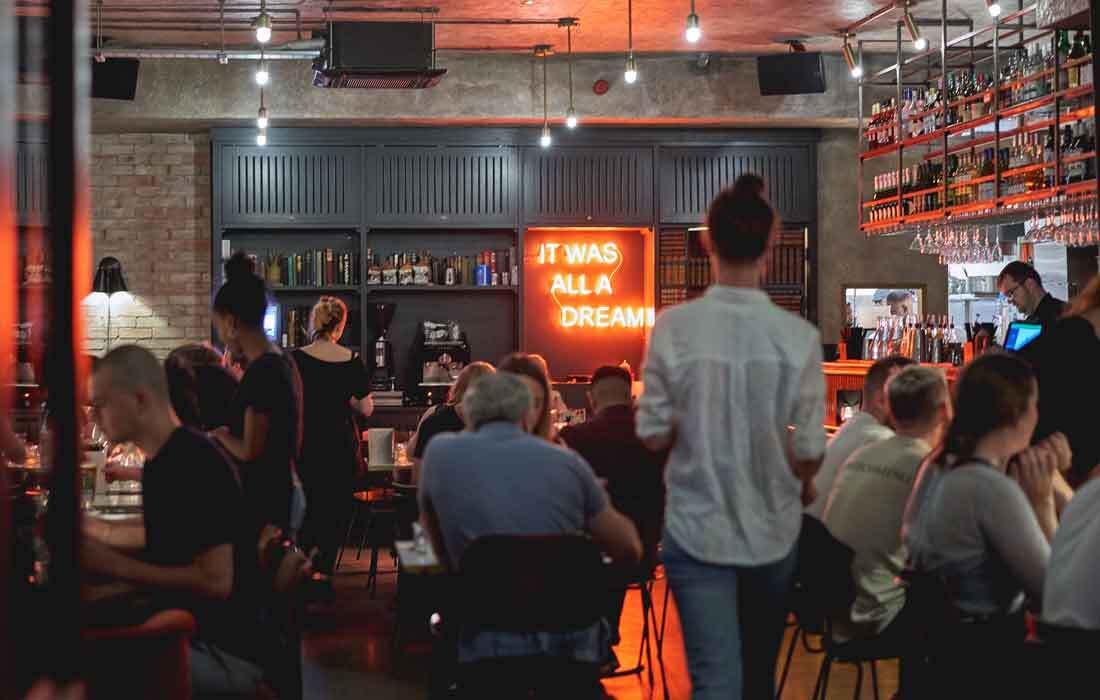
London councils that block hospitality venues from late-night opening hours could have their decisions overturned by the mayor of London.
In a bid to boost the night-time economy, the government is proposing new powers for London mayor Sadiq Khan to review blocked applications in certain areas of the capital.
The licensing applications may include requests to open later or offer guests alfresco dining.
If successful, the scheme could be extended across the country to areas such as Greater Manchester and the West Midlands.
Chancellor of the exchequer Rachel Reeves said: “British businesses are the lifeblood of our communities. Our Plan for Change will make sure they have the conditions to grow – not be tied down by unnecessarily burdensome red tape.
“We’ve heard industry concerns and we’re partnering with businesses to understand what changes need to be made, because a thriving nighttime economy is good for local economies, good for growth and good for getting more money in people’s pockets.”
Khan added: “This significant decision would allow us to do more to support the capital’s pubs, clubs, music venues and other parts of the visit and tourist scene. It would boost tourism, stimulate growth and deliver new jobs both in London and across the country.
“This is more evidence that we now have a government that wants to work with the capital and recognises the role that we can play in delivering economic prosperity and support Londoners as we build a better London for everyone.”
The new powers could help late-night businesses thrive, such as MeatLiquor’s new Bloodsports bar in Covent Garden. Integral to the 120-seat venue is its 2am late licence, seven days a week, which fills the slot in the market for anyone wishing to watch sports after 11pm who would either have to stay at home or visit a casino.
Speaking to The Caterer earlier this week, MeatLiquor founder Scott Collins discussed the trend of sports bars which often require late licences because of the screening times of international sports.
The Night Time Industries Association (NTIA) welcomed the news, with its chief executive Michael Kill invited to join an expert panel of industry leaders and police representatives to assess and implement licensing reforms that better support UK businesses.
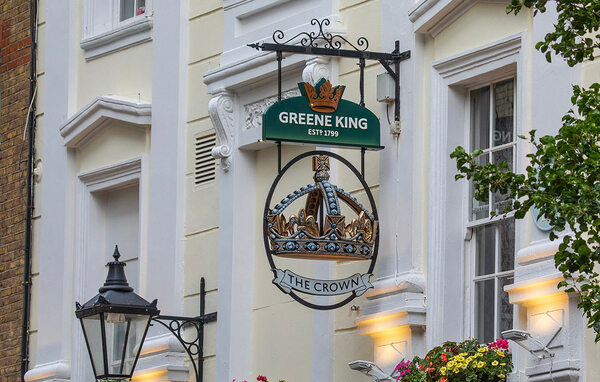
The panel also includes Nick Mackenzie, chief executive of Greene King and chair of the British Beer & Pub Association, Kate Nicholls, national chair of the Institute of Licensing and chief executive of UKHospitality, and Jon Collins, chief executive of Live Music Industry Venues and Entertainment.
The group will look to modernise the licensing system, reporting back to government in six weeks with solutions.
Kill said: “A well-balanced licensing system is crucial for the long-term sustainability of the night-time economy. Cutting red tape and modernising our licensing framework is vital to unlocking its true potential. A 21st-century approach will empower pubs, bars, restaurants, nightclubs and venues to thrive, creating jobs and driving economic growth.
“I welcome this expert review and the opportunity to shape a system that better supports businesses while maintaining responsible practices. The night-time economy has incredible potential and reforming outdated legislation will help it flourish. We urge the government to act swiftly on the taskforce’s recommendations and continue reviewing other policy areas that hinder investment, innovation and growth in our sector.”
Nicholls added: “Cutting red tape and improving hospitality’s competitiveness is much-needed to unlock our sector’s potential to drive socially productive growth and create jobs. A new and improved licensing system that is fit for the 21st century will be a huge boost to the nation’s pubs, bars restaurants and hotels.
“I’m delighted that this expert group will be leading the review and coming forward with solutions that can unlock the high street’s potential, in addition to informing the government’s industrial strategy.”
Earlier this week, hospitality started to feel the backlash from April’s tax raids, which include business rates relief slashed from 75% to 40% and National Living Wage increasing by an estimated £1,400 a year per employee, which is expected to cost the industry an extra £2.4b this year, according to analysis by UKHospitality.
To make things worse, from 6 April, employers’ National Insurance Contributions (NICs) will increase from 13.8% to 15%, while the level at which businesses start paying NICs on workers’ earnings will also be lowered from £9,100 a year to £5,000. This will force an already strained sector to cough up another £1b in tax.
Photo: Paolo Paradiso/Shutterstock
You have viewed all of your 2 articles as an unregistered user
To continue reading register for free, or if you're already a member login below




Most Popular



Webinar: AI - building trust in the workplace
 Wed Feb 18, 2026
HRC
Mon Mar 30, 2026 ExCel London
The Caterer Supplier Awards
Thu Apr 16, 2026
The Acorn Awards 2026
Sun Jun 7, 2026


The Caterer provides trusted hospitality news, analysis and trends for restaurants, hotels and catering professionals.

Jacobs Media is a company registered in England and Wales, company number 08713328. 3rd Floor, 52 Grosvenor Gardens, London SW1W 0AU.
© 2026 Jacobs Media
