


 Menu
Menu


New site openings lead to growth for Heartwood Collection
The Heartwood Collection pushes forward with its pubs with rooms strategy
The Heartwood Collection has reported an increase in revenue and earnings before interest, taxes, depreciation and amortisation (EBITDA) for the year ending 30 June 2024.
Revenue grew 12.6% from £60.3m to £67.9m, while site EBITDA grew from £10.9m to £11.7m, with a slight gross margin increase from 73.2% to 73.3%.
The business, which includes pubs and brasseries under the brands Heartwood Inns and Brasserie Blanc, put the sales growth down to new site openings across the year, with a 3% increase in like-for-like sales.
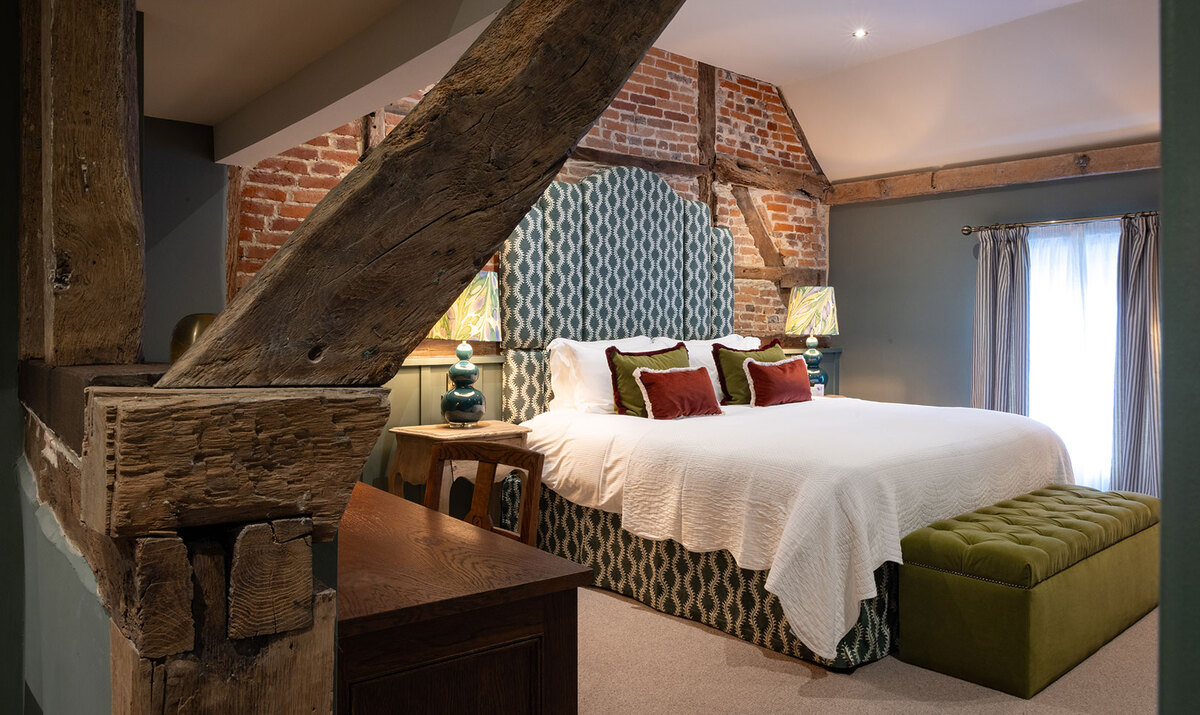
The company opened four new pubs during the year, including the White Horse in Dorking, which opened in February 2024 following a refurbishment that created 56 bedrooms.
The Heartwood Collection is developing two more pubs and one pub with rooms, expected to open later this year.
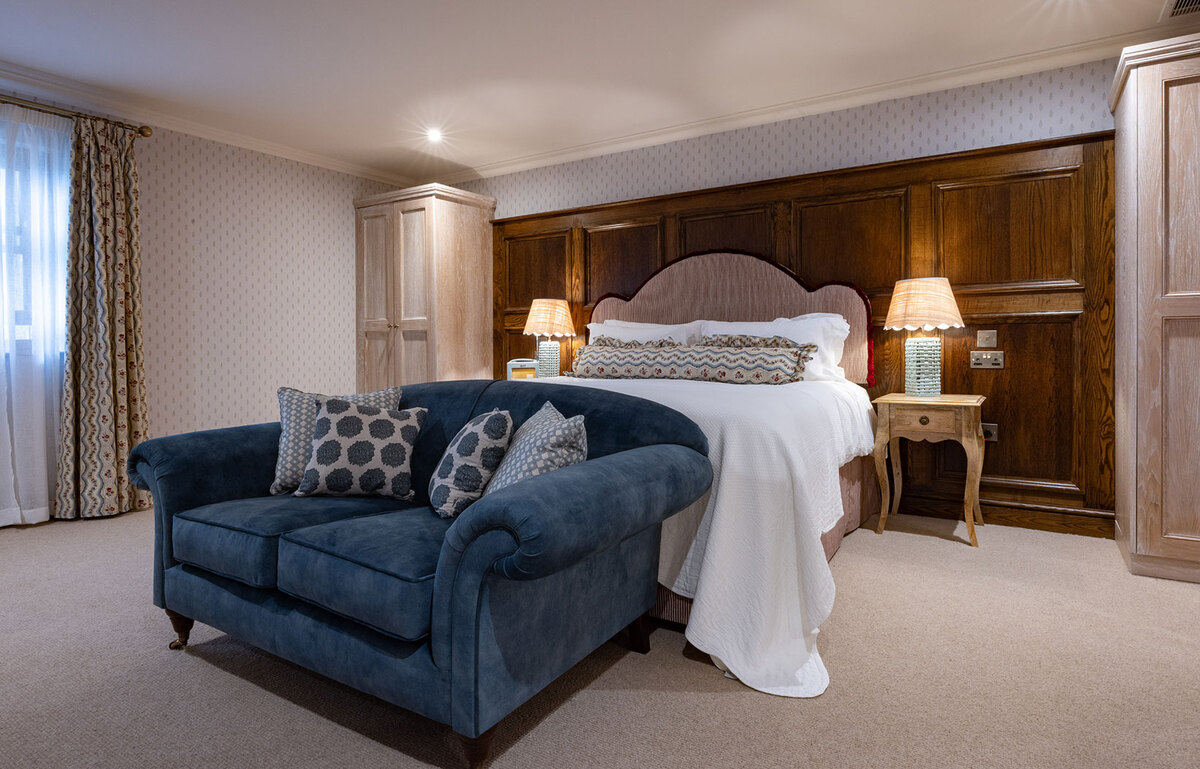
Out of its 32 Heartwood Inns, the brand has seven pubs offering around 200 bedrooms, which managing director Richard Ferrier told The Caterer earlier this year was a big part of its future strategy, with plans to hit 500 in the next couple of years.
“Rooms give us more dining occasions. Now, Monday to Wednesday nights can be as busy at weekends, with the early part of the week given to corporate stays,” he said.
“A corporate hotel versus the homeliness of a pub with quality rooms and F&B? It’s a no-brainer… and we want more of it – the sector wants more of it. There are not enough bedrooms really, particularly at the high-quality pubs-with-rooms end, so there are huge amounts of white space to go for.”
“It’s three to four times more profitable. As labour costs rise, our theory is that adding more rooms will help stabilise the model,” said Ferrier – accommodation might represent a modest 25% of the revenues, but it is much more profitable as well as being a serious driver of F&B, especially when it is considered that the five pubs at Heartwood with rooms are its highest-grossing properties for F&B across the whole estate.
The business said that while “fixed costs in the sector are high once these are covered, the highest volume outlets convert to profit well. It remains essential that we maintain volumes and margins in our core estate to offset increasing labour costs”.
The financial year to June 2024 was “one of growth and considerable preparation for the coming years,” said the company’s executive chairman Mark Dery.
Despite the increase in EBITDA, the group reported a loss after tax of £15m, as a result of financing costs of £13.2m – £6m cash paid in the year and the remainder accruing on shareholder debt.


More from The Caterer
Most Popular

HRC
 Mon Mar 30, 2026
 ExCel London
The Caterer Supplier Awards
Thu Apr 16, 2026
The Caterer People Summit 2026
Thu May 14, 202658VE, London
The Acorn Awards 2026
Sun Jun 7, 2026


The Caterer provides trusted hospitality news, analysis and trends for restaurants, hotels and catering professionals.

Jacobs Media is a company registered in England and Wales, company number 08713328. 3rd Floor, 52 Grosvenor Gardens, London SW1W 0AU.
© 2026 Jacobs Media

