



 Menu
Menu


Queen Camilla honours meals on wheels providers with NACC
Members of the association were invited to Clarence House to celebrate Meals on Wheels Week
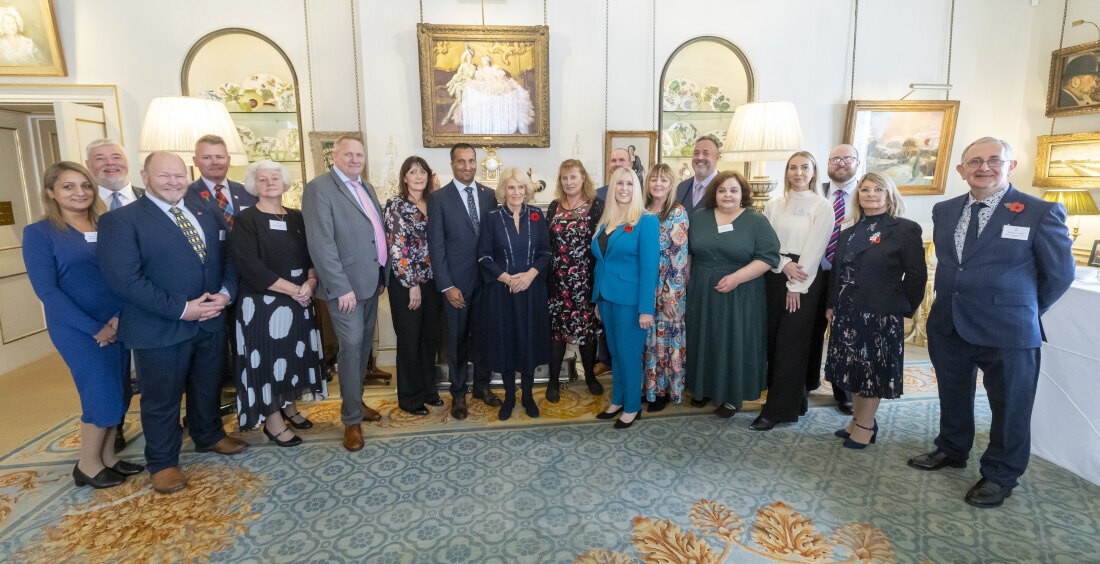
Yesterday (5 November), Queen Camilla welcomed members of the National Association of Care Catering (NACC) to Clarence House, as they celebrate Meals on Wheels Week between 3-7 November.
The reception was to say ‘thank you’ to those who provide meals on wheels and lunch clubs across the UK, supporting older and vulnerable people in receiving nutritious meals and reducing loneliness and social isolation.
During the visit, NACC national chair Neel Radia presented the Queen with an honorary membership of the association, which supports and represents those working in and associated with catering in the UK care sector.
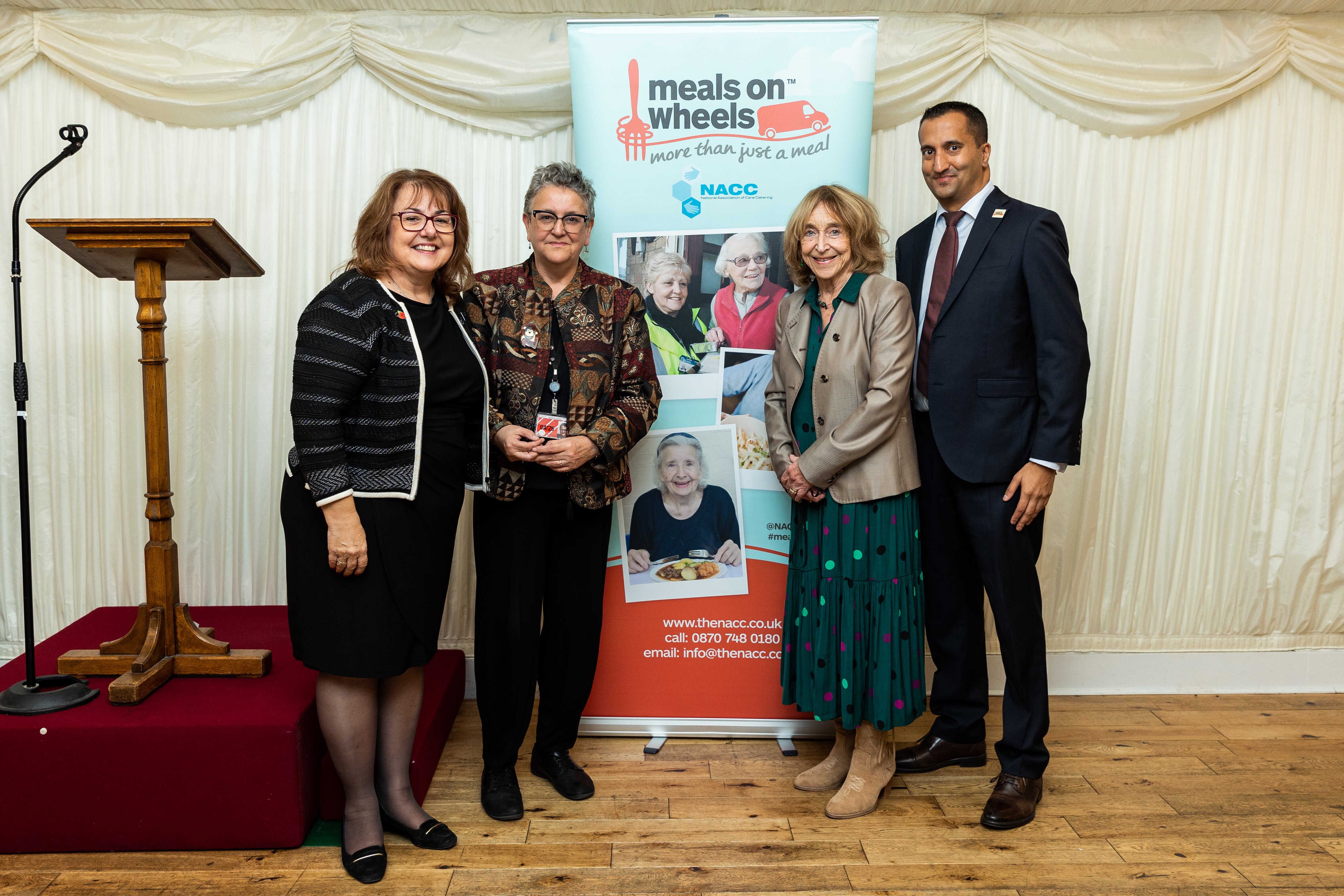
NACC has organised Meals on Wheels Week for more than 30 years to shine a spotlight on the meals on wheels service across the UK, celebrating staff, volunteers, recipients and partners. This year the theme is ‘fighting hunger and reducing loneliness’ and is aimed at raising awareness of the value of good nutrition in the community for older and vulnerable people.
The Queen listened to examples of how important meals on wheels are to those who receive the service and the vital role they play in supporting older and vulnerable people living in our communities. She also heard about the steep decline in services across the country.
Radia said: “We are thrilled that the Queen has taken time to recognise the real value of meals on wheels and the people who deliver them, their passion, their dedication in ensuring seniors and those vulnerable in our community have access to good nutrition, well-being checks and social contact.
“Meals on Wheels provides so much more than just a meal. Every delivery brings nutritious food, vital welfare checks, and friendly human contact – helping older and vulnerable people live independently, safely, and with dignity in their own homes.”
He added: “In 2023 we released a report in partnership with Association for Public Service Excellence (APSE), that showed vital meals on wheels services on the brink of collapse, with only 29% still in operation across the UK operated by local authorities, and fewer than 18% in England. Anecdotally, this situation has not improved.”








Most Popular



Webinar: AI - building trust in the workplace
 Wed Feb 18, 2026
HRC
Mon Mar 30, 2026 ExCel London
The Caterer Supplier Awards
Thu Apr 16, 2026
The Acorn Awards 2026
Sun Jun 7, 2026


The Caterer provides trusted hospitality news, analysis and trends for restaurants, hotels and catering professionals.

Jacobs Media is a company registered in England and Wales, company number 08713328. 3rd Floor, 52 Grosvenor Gardens, London SW1W 0AU.
© 2026 Jacobs Media
