


 Menu
Menu


The Woodcote in West Sussex secures planning permission to elevate venue
Its existing pub will be refurbished and plans are in place to add 16 bedrooms and a fine dining restaurant
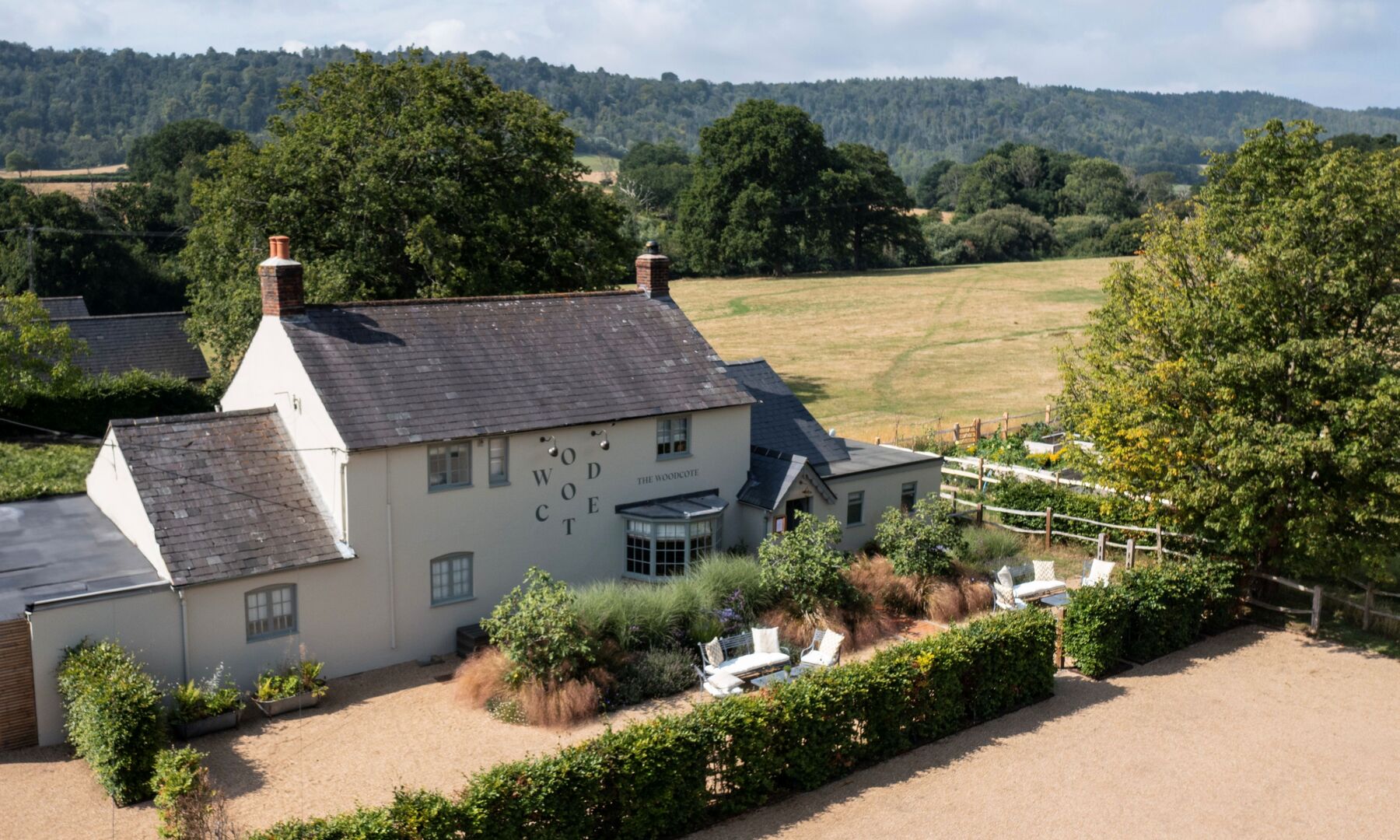
The Woodcote in Graffham, West Sussex, has secured planning permission to add a bistro, fine dining restaurant and 16-bedroom lodge.
The approval from the South Downs National Park Authority will see the refurbishment of the existing pub and the addition of a 40-cover fine dining restaurant behind it, as well as 16 rooms “designed to be like bird hides”, according to the Woodcote website.
The website stated the expansion was needed to ensure the business remains “financially viable in the face of the ongoing significant challenges facing the hospitality sector, particularly in rural areas”.
The Woodcote currently operates six bedrooms, a restaurant and an outdoor café.
Landscape architects Studio Engleback, architects McLean Quinlan and interior designer Peter Mikic have collaborated on the project so far, which will also see the creation of meadows, orchards and restored hedgerows.
Jamie Lumsden, managing director of Ledmore Capital, the owner of the Woodcote, said: “We are delighted that the South Downs National Park Authority has approved our plans. This is an important step forward in realising our vision for the Woodcote as an enduring luxury destination within the South Downs National Park.
“The opportunity to bring together exceptional accommodation, sensitively designed to capture the stunning views of this remarkable landscape, with a flagship fine dining restaurant carrying a clear ambition for Michelin Green Star recognition, marks a truly exciting next chapter for us. Alongside this, a relaxed bistro will remain accessible to both our guests and the village and surrounding community.”
Richard Dollamore, partner at Whaleback, the town planning consultancy that supported the planning application, added: “We are always conscious that we are working within a nationally protected landscape with clearly defined qualities and sensitivities. Our approach begins with a careful understanding of landscape character and ecological networks, responding to and enhancing those qualities rather than imposing upon them.”



More from The Caterer
Most Popular



The Acorn Awards 2026
 Sun Jun 7, 2026
The Cateys 2026
Tue Jul 7, 2026
Natural & Organic Food Show
Wed Sep 16, 2026 ExCel London
Artisan Food & Drink Show
Wed Sep 16, 2026ExCel London


The Caterer provides trusted hospitality news, analysis and trends for restaurants, hotels and catering professionals.

Jacobs Media is a company registered in England and Wales, company number 08713328. 3rd Floor, 52 Grosvenor Gardens, London SW1W 0AU.
© 2026 Jacobs Media
