
ao link

Why Michelin’s green star became unsustainable

shutterstock 2588164173

Michelin’s decision to retire its green star this week may not have shocked the hospitality industry, but it has ignited questions about how sustainability in restaurants should be verified
Linked InTwitterFacebook
bookmark_borderSave to Library

There was little surprise when Michelin announced it was retiring its green star accolade earlier this week – but that doesn’t mean it wasn’t a bitter pill to swallow for the restaurateurs affected.


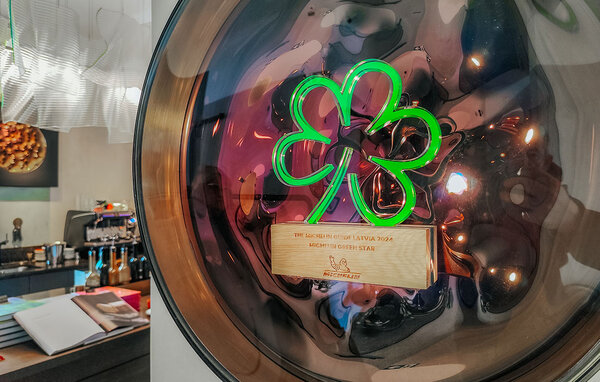
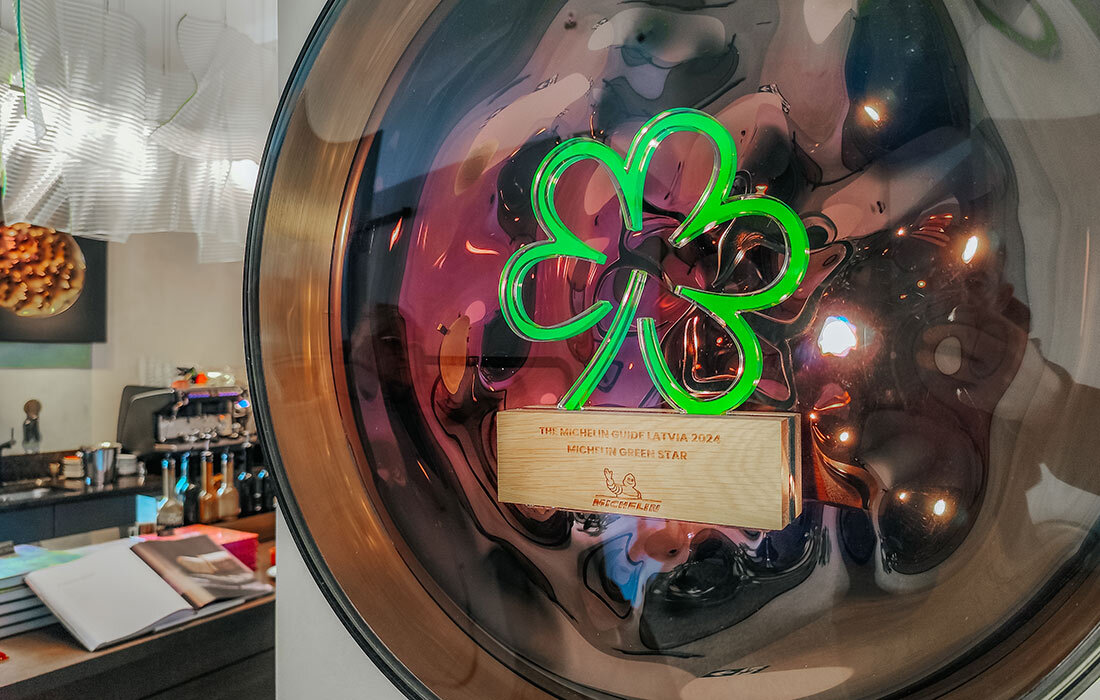
The award, introduced by Michelin in 2021, was intended to recognise those restaurants that focused on environmental practices, who grew or reared their own produce, or who contributed to charity and education projects, and was available to restaurants that already held a Plate, Bib Gourmand or red star. But there was always some confusion as to the exact criteria behind how a green star might be obtained.


It is widely believed that the award has become unsustainable due to new EU regulations that require full audits to justify any green claims, but this still leaves 37 restaurants with little official explanation as to why they can no longer claim Michelin recognition.


Lost meaning

One formerly green-starred restaurant, Homestead Kitchen, received its accolade in 2025. Cecily Fearnley runs the business in Whitby in North Yorkshire with her chef-husband Peter Neville and was only informed about the loss of their star via an official email from Michelin addressed “Dear Chef” the day after The Caterer reported on the story.


Fearnley said the green star had been transformative for a rural independent business, helping put Homestead Kitchen “on the map”, but also criticised Michelin’s handling of the programme’s withdrawal.


“In an environment where the term ‘local’ is often used loosely, the green star was a vital way for us to stand out”


“The green star was a massive boost for us,” said Fearnley. “But we didn’t set up our business with a model to please Michelin. And nothing changes from yesterday to today in how we’re going to run our business.


“This week’s decision isn’t us no longer meeting Michelin’s standard – it’s not like a restaurant losing a [red] star,” she added. “It’s not personal, but I think transparency about the reasons behind having to do this is something as an industry we should be calling for.


“The whole way this has been handled with the retiring of the green stars has undermined the work that goes in behind the scenes of these small businesses working their socks off.”


Another operator The Caterer spoke to, which asked to remain anonymous, said losing its green star amid one of the toughest periods for the sector felt especially painful: “It goes to show they don’t really care about small family businesses.”


It was a point taken up by chef-owner Hylton Espey of Culture in Falmouth in Cornwall, which received its green star in 2023, resulting in an immediate boost for the restaurant: “It is disappointing to see these changes implemented during such a challenging time for the hospitality industry,” said Espey. “In an environment where the term ‘local’ is often used loosely, the green star was a vital way for us to stand out.”


Read More

How does a restaurant win a Michelin green star?How does a restaurant win a Michelin green star?
May 2026 Michelin additions: All the new restaurants added to the guideMay 2026 Michelin additions: All the new restaurants added to the guide
Michelin green stars awarded to six restaurants in 2024 guideMichelin green stars awarded to six restaurants in 2024 guide
Michelin Guide retires green starMichelin Guide retires green star
Michelin reveals new Bib Gourmands for 2026 guideMichelin reveals new Bib Gourmands for 2026 guide

Chris Harrod, chef-owner of the Whitebrook

Meanwhile, for the Whitebrook in Monmouthshire, the addition of a green star to its one-red-star status in 2024 was a much-appreciated recognition from Michelin and of interest to its guests, who were drawn to the restaurant’s sustainable approach.


Chef-owner Chris Harrod said: “The green star played an important role in bringing sustainability into the spotlight. It encouraged more diners to think about where they choose to eat and gave restaurants across the industry greater motivation to focus on environmental responsibility. Ultimately, the disappearance of the green star won’t affect how we work. Our priorities remain exactly the same and sustainability will continue to guide the choices we make as a business.”


Last in the queue

Michelin first introduced the green star back in 2020 to recognise restaurants with strong sustainability practices. Chantelle Nicholson’s Apricity in London, Tommy Banks’ Black Swan in Oldstead and Simon Rogan’s L’Enclume in Cartmel were some of the early recipients. But by late 2025 signs of change were already emerging. Restaurants were reporting their green star motif had been downgraded on Michelin’s website and replaced with a green box and a logo positioned further down the page, and the search filter for green star restaurants was removed altogether.


“It’s no longer enough for sustainability to be vague or simply an aspirational ‘nice to have’”


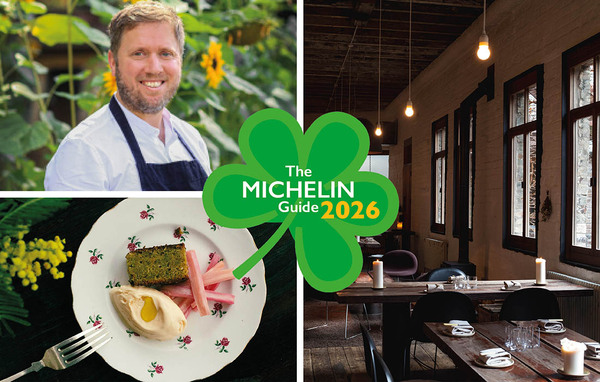
And for the seven new restaurants awarded with a green star at the 2026 UK and Ireland ceremony in Dublin? They didn’t even receive a physical trophy to take home with them.


At the time Michelin responded by insisting the green star still existed as a “complementary recognition to culinary distinctions (red stars)”, but it was “neither a label nor a certification” of sustainability practices.

Sue Williams
Sue Williams, founder of Positive Hospitality

For some hospitality figures, Michelin’s retreat was inevitable.


Sue Williams, former general manager of Whatley Manor Hotel & Spa in Malmesbury in Wiltshire and founder of sustainability consultancy Positive Hospitality, argued the green star had become difficult to sustain in an era of stricter environmental scrutiny and anti-greenwashing regulation, specifically the EU’s Empowering Consumer Directive (EmpCo), which came into force in March 2026.


“The directive exists to prevent mis-selling and greenwashing,” she explained. “With the arrival of EmpCo, full accountability and independent audits are required to be able to back up green claims for businesses operating in Europe.


Williams pointed out that Michelin – which is headquartered in France – would struggle to keep its green star programme under the new directive, because “it did not have a framework that could be worked towards”.


“Because, in truth, no one knew how they were awarded,” she said. “It was not science based, it was not audited and therefore not fully transparent, so it was impossible to substantiate.”

michelin guide ceremony 2026 crop
The 2026 Michelin Guide ceremony

Juliane Caillouette-Noble, chief executive of the Sustainable Restaurant Association, also pointed to the increasingly tight legislation that led to the retiring of the green stars: “Once the EU adopted the Empowering Consumers Directive, it was clear that without a transparent framework behind it, the green star’s days were numbered.”


When Michelin was asked by The Caterer if the EU’s legislation was the main driver for abandoning its green star, it responded: “Like any organisation with a global footprint, we face a wide variety of regulations from country to country”, and pointed to its new Mindful Voices editorial initiative, designed to “highlight the inspiring practices of chefs, hoteliers and wine producers, who are committed to contributing to the responsible development of their industries.”


But Caillouette-Noble is confident the move doesn’t mean the end of sustainability in hospitality.


“It signals the very necessary shift in what we demand from hospitality,” she said. “From every standpoint – environmental, social, legislative and even the long-term survival of the sector – it’s no longer enough for sustainability to be vague or simply an aspirational ‘nice to have’.


“People have not stopped expecting more from the restaurants they visit; they have not stopped caring about the treatment of people in this industry or the future of the planet we call home. But now and into the future, this work needs to deliver real change through tangible, transparent and ongoing action. And this was never something the green star was designed or positioned to accomplish.”


Photo: Emvat Mosakovskis/Shutterstock

Linked InTwitterFacebook
bookmark_borderSave to Library
Add New Comment
You must be logged in to comment.
The Cateys 2026

The Cateys 2026

Webinar: Driving Operational Efficiency with AI

Webinar: Driving Operational Efficiency with AI

Lunch!

Lunch!

The National Restaurant, Pub & Bar Show

The National Restaurant, Pub & Bar Show

The Caterer
Follow us on Facebook
Follow us on X
Follow us on Linked In
Follow us on Instagram

The Caterer provides trusted hospitality news, analysis and trends for restaurants, hotels and catering professionals.

Jacobs Media

Jacobs Media is a company registered in England and Wales, company number 08713328. 3rd Floor, 52 Grosvenor Gardens, London SW1W 0AU.
© 2026 Jacobs Media