


 Menu
Menu


Two hospitality sites closing every day
The sector is also 14.2% smaller than it was at the start of the pandemic in March 2020
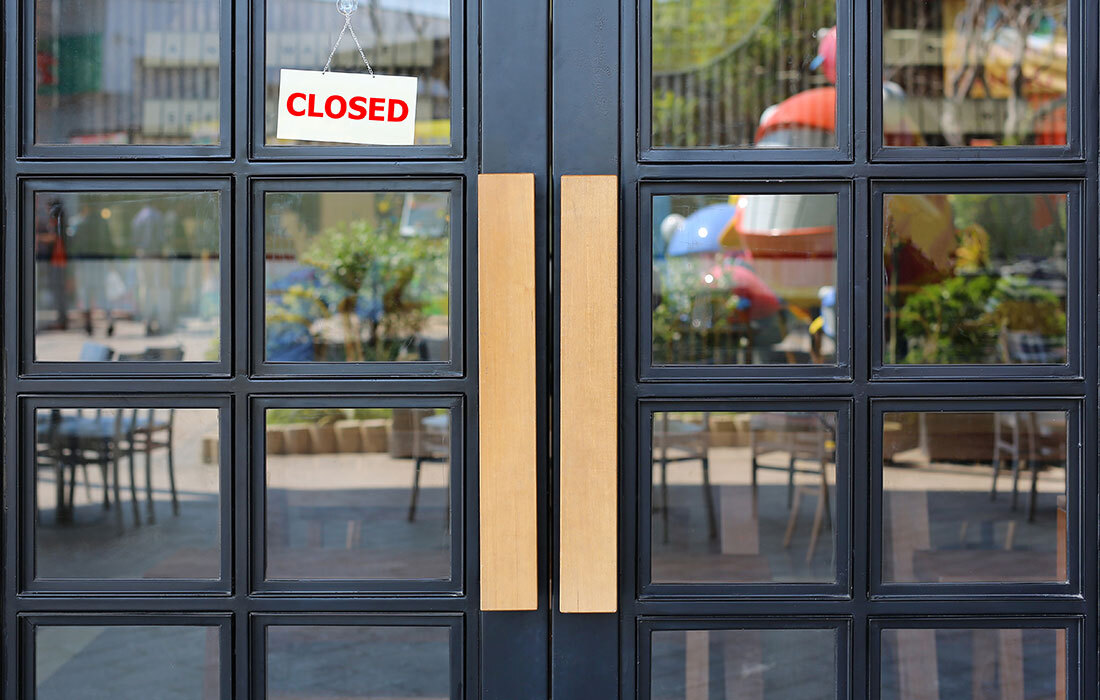
The hospitality industry has lost two sites per day during the first half of 2025 amid tough trading conditions, new research has shown.
The latest Hospitality Market Monitor from CGA by NIQ and AlixPartners revealed that a total of 98,746 sites were operating by the end of June – 374 fewer than the start of the year.
There were roughly 62 net closures per month, equating to a 0.4% decline in Britain’s number of licensed premises.
This also means the sector is now 14.2% smaller (net) than it was at the start of the pandemic in March 2020. Over the past five years, there have been more than 16,000 net closures, with the independent restaurant sector shrinking by 22.7% over the same period.
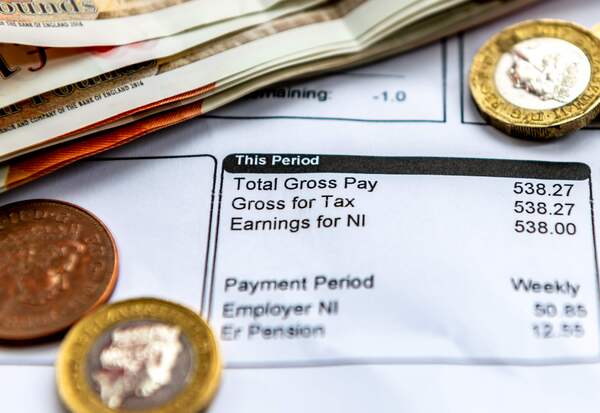
Many of the closures were triggered by the introduction of new employment costs in April, namely the increases in employers’ National Insurance Contributions (NIC), business rates and National Living Wage, the report suggested.
It also predicted a “new wave of company restructurings” in the second half of the year due to added pressures.
According to the report, the food-led sector declined by 2.9% in just one year, in contrast to a 1% increase in drink-led venues. The trend coincides with data from the CGA RSM Hospitality Business Tracker, which showed managed pubs outperformed other types of hospitality businesses.
Karl Chessell, business unit director – hospitality operators and food, EMEA at CGA by NIQ, said: “Hospitality has been struggling under a disproportionate weight of inflation and taxes in recent years, and our latest figures show how every round of additional costs sends more businesses to the wall.
“New pay and NICs aren’t the sole cause of closures lately, but they have been the final straw for many operators – especially smaller ones. The sector needs a fairer tax regime that supports growth and investment and encourages consumer spending. This environment will help the sector flourish and ensure more stability in venue numbers as we move forward.”
Graeme Smith, senior partner at AlixPartners, added: “The effects of a step change in costs and taxation, which landed this April, have made the trading environment more challenging for many hospitality businesses. Consumer demand appears to be resilient, so the medium-term impact of these changes is yet to be seen, although it seems likely that more closures will follow in the immediate term. In this environment, we would expect the polarisation in the market to continue, with the leading players continuing to grow and take market share from struggling brands.”
Kate Nicholls, chair of UKHospitality, said: “These latest figures are a devastating blow, showing in the starkest terms the impact of government-driven cost pressures. Two hospitality venues closing every day is not just a statistic; it represents the hollowing out of our high streets and communities. Independent businesses, the lifeblood of our sector, are being disproportionately crushed under the weight of unfair taxation and soaring employment costs. The result is a sector in survival mode, where investment is at a standstill. Businesses are being forced to focus on just keeping the lights on, and growth is secondary.
“This cannot continue. The government has pushed hospitality to the breaking point, and we now run the very real risk of being taxed out of existence. Ahead of the Budget, we are calling for urgent, decisive action to relieve the burden on a sector that should be a powerful engine for economic growth and job creation across the entire country. The government must lower the business rates that punish high street businesses, fix the poorly designed NICs that penalise job creation, and cut the rate of VAT to stimulate investment and align us with our European counterparts. Without these changes, we will see this alarming trend of closures accelerate, costing thousands more jobs and decimating high streets across the UK.”
Photo: GOLFX/Shutterstock
Related content




Most Popular



Webinar: AI - building trust in the workplace
 Wed Feb 18, 2026
HRC
Mon Mar 30, 2026 ExCel London
The Caterer Supplier Awards
Thu Apr 16, 2026
The Acorn Awards 2026
Sun Jun 7, 2026


The Caterer provides trusted hospitality news, analysis and trends for restaurants, hotels and catering professionals.

Jacobs Media is a company registered in England and Wales, company number 08713328. 3rd Floor, 52 Grosvenor Gardens, London SW1W 0AU.
© 2026 Jacobs Media
