



 Menu
Menu


Simpler Recycling act: The three ‘Cs’ to help tackle food waste
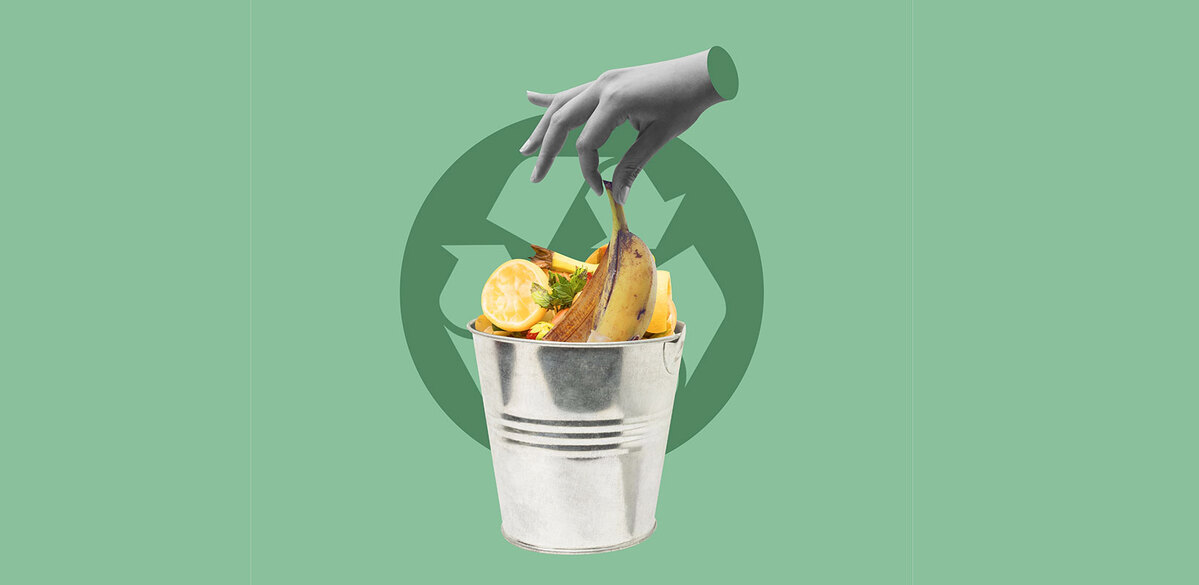
The ‘Simpler Recycling’ act will mean that all businesses will need to look to their food waste management. Fortunately, the experts at The Caterer’s Rethinking Food Waste webinar, in partnership with Rubbermaid Commercial Products, has the answers on how to make this go smoothly. Victoria Miller reports
Legislation brought in under the Environment Act 2021 will require all businesses with 10 or more employees to separate dry mixed recyclables and food waste from their general waste, prior to collection from their premises.
Called ‘Simpler Recycling’, the legislation will be made law on 31 March with the intention to simplify and improve the existing recycling system. According to the Waste and Resources Action Programme (WRAP), 920,000 tonnes of food is wasted by hospitality and foodservice outlets each year. Making a dent in this waste will not only generate environmental benefits, but financial ones too.
To discuss how best to approach the upcoming changes and reap the financial rewards, The Caterer hosted a ‘Rethinking food waste’ webinar in partnership with manufacturer of commercial storage and waste products Rubbermaid Commercial Products.
Rubbermaid’s national business development sales manager, Ben Clibbery, was joined by Emma Banks, vice-president of F&B strategy at Hilton, Catherine Burrows, head of waste management at Sodexo, and Alex Rollinson, energy and waste co-ordinator at Marston’s, to share insights to ensure a business complies with the incoming legislation.

1. Collect data
“Food waste is one of the biggest challenges around the general waste stream. Fortunately, it’s also the easiest to recycle,” said Clibbery.
But, before you can tackle it, businesses need to understand how much waste it produces, where it comes from, what it is, and where it goes.
Burrows explained how Sodexo, which caters at more than 2,000 client locations and serves one million meals a day, partners with non-profit waste organisation WasteWatch to monitor its food waste. The programme enables Sodexo site staff to weigh leftover food and categorise it, and the business can then act based on the analytics returned to drive cultural and behavioural change across teams to avoid food waste.
Burrows said the business found the sites that receive that data – and subsequently set food reduction goals – reduce their waste by a further 10% compared to sites that don’t. “You’ve got to measure, and then you’ve got a target, and then you can act,” she said.
Marston’s, which has an estate of 1,339 pubs across the UK, works with circular economy specialists Reconomy and food waste recycling firm Olleco to collect data. Rollinson said the pub group conducts a monthly food bin waste analysis and engages with its sites to support its staff to reduce food waste. He also pointed out that comparing similar sites is a great way of informing the business of what is working and what isn’t.
2. Collaborate with internal and external stakeholders
“The best way to start is collaboration with the downstream supply chain,” advised Clibbery. He added that collaborating with internal container manufacturers and waste collection partners will immediately improve food waste and recycling management systems.
He cited Rubbermaid’s digital tools, which help to select the correct bins for a facility, depending on what type of waste is needing to be separated. Bespoke labelling also helps staff recognise what waste needs to go into which bin streams.
Banks spoke of Hilton’s work with Suez Recycling and Recovery in the UK and added that the group works with organisations such as the United Nations to document its food waste strategies.
For Sodexo, Burrows said that every site has “their nuances, their differences”, but they all need to ensure ongoing conversations are had with all stakeholders, including suppliers, kitchen staff, food waste collectors and data management teams. Put in the time and effort with your stakeholders and you’ll see financial and environmental rewards, he added.
3. Change the culture
With the right tools and language, adhering to the new food waste legislation can be easier and cheaper than you think. Clibbery said that many businesses don’t have large resources to implement great change, but, he added, a good starting point is to conduct research and use waste management tools online before explaining procedural changes.
He cited restaurant group Loungers, which was eager to reduce food waste across its estate. It recorded a short video for its employees explaining why the business was focusing on reducing food waste and how it should be implemented. After doing so, the group reported “significant improvements in food waste separation and cost savings”.
But, if you can prevent food waste occurring in the first place, then even better, Burrows added.
Tackling pre-consumer kitchen waste at Hilton led the hotel group to work with Winnow three years ago. The partnership with the food waste management firm was piloted in 21 hotels across 10 countries in the EMEA region. The programme resulted in an annual saving of 600,000 meals, achieved a 50% food waste reduction and saved around 100,000 tonnes of carbon emissions. Such was its success, says Banks, the hotel group has now rolled it out to a further 125 hotels.
Tackling pre-consumer food waste can also be made easier by ensuring language, colour-coding on bins and signage is uniform across its sites. Marston’s ensures its messaging in its kitchens is consistent across the four nations, while across Sodexo’s sites it uses the standard and easily identifiable WRAP system across the country.
Post-consumer food waste is harder to tackle than pre-consumer, said Banks, with one of the primary barriers being a lack of awareness, coupled with “unhelpful social norms” around an “all you can eat attitude”. Marston’s works with its front of house to identify what is not being eaten and remove unpopular menu items, which has added financial benefits. And tackling food waste in hotel rooms can be as simple as implementing separation of bins in rooms to encourage guests to make the right choices.
With only 36 working days to go until Simpler Recycling is implemented, it may seem a short amount of time with a lot to take on board. But, as Clibbery says, the incoming changes present “an incredible opportunity to bring together all stakeholders within your business to try and achieve the aim of improved environmental sustainability and also reduce costs.”
Watch the Rethinking Food Waste webinar here
From the sponsor
Rubbermaid Commercial Products was proud to collaborate with The Caterer to help hospitality and foodservice operators navigate the challenges of reducing and managing food waste as they prepare for new recycling legislation.
We are committed to creating the most durable and innovative solutions, specifically designed to withstand the tough demands of the modern hospitality sector, helping our customers improve operational efficiency, reduce unnecessary waste and cut long-term costs.
As global leaders in the sector, we’re dedicated to supporting your business with the products you need to provide your employees, customers and guests with the very best waste management, cleaning and hygiene experience available today.
For more information, visit www.rubbermaid.eu/en/

Top image: N Universe/Shutterstock








Most Popular





Webinar: AI - building trust in the workplace
 Wed Feb 18, 2026
HRC
Mon Mar 30, 2026 ExCel London
The Caterer Supplier Awards
Thu Apr 16, 2026
The Acorn Awards 2026
Sun Jun 7, 2026


The Caterer provides trusted hospitality news, analysis and trends for restaurants, hotels and catering professionals.

Jacobs Media is a company registered in England and Wales, company number 08713328. 3rd Floor, 52 Grosvenor Gardens, London SW1W 0AU.
© 2026 Jacobs Media
