


 Menu
Menu


Liverpool hotels to vote on city visitor charge
If the vote goes in favour of the £2 levy, it will come into force early this summer
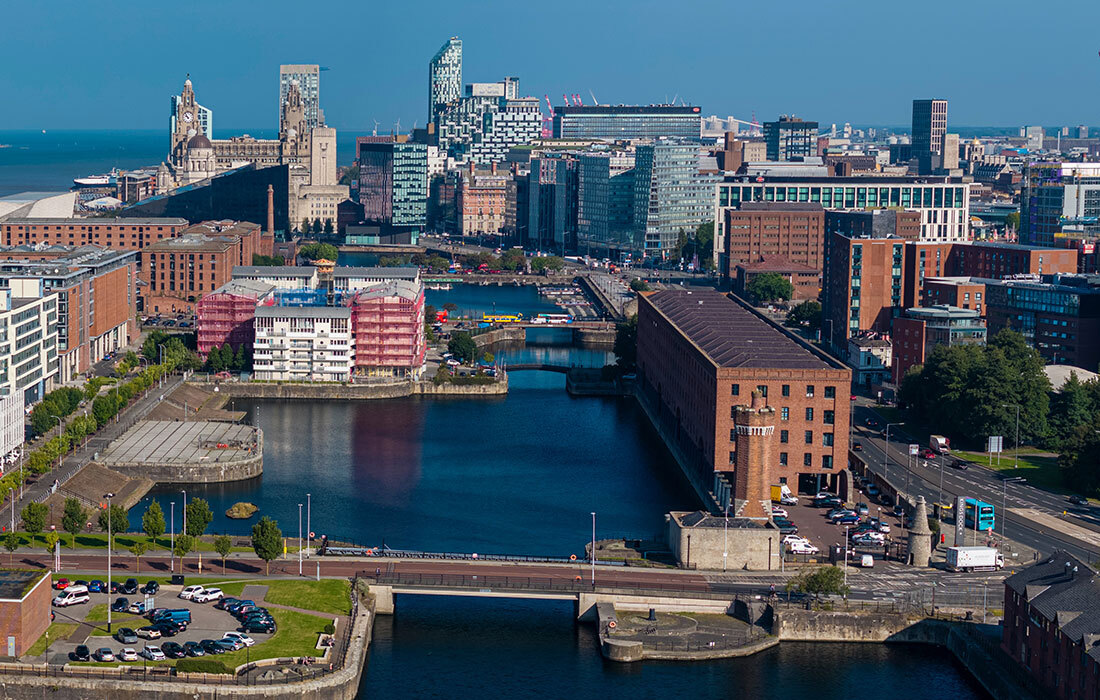
Liverpool hotels and serviced accommodation providers are to vote in a ballot later this month to decide whether to introduce a £2 a night tourist levy.
The ballot, organised by Liverpool’s Accommodation BID, will open for votes on Thursday 27 March with the results announced four weeks later, on Thursday 24 April.
If the vote goes in favour of the levy, it will come into force on 1 June and last until 2027.
It is estimated it could see £6m invested into the city’s visitor economy and events calendar, such as conferences.
Bill Addy, chief executive of Liverpool BID Company, said events and exhibitions can attract many city visitors, adding to the area’s tourism and hospitality industries.
He added that the proposed investment could “turbo-charge” Liverpool’s economy.
News of Liverpool’s ballot comes as cities across the country, including Edinburgh and Bristol, are looking into various levy and tax schemes on hotels and serviced accommodation providers.
Earlier this month, Bristol hoteliers expressed fears a tourist tax will hit visitor numbers in the city after the city’s council commissioned a feasibility study into introducing a visitor charge.
If a charge is recommended and approved by the council, visitors would see a levy added to the price of accommodation in the city. It is understood that this would be done by imposing a tax to fund a business improvement district (BID).
While the chair of the Bristol Hoteliers’ Association, Raphael Herzog, such a tax would be “yet another challenge to our businesses”, Annie Brown, general manager at the Municipal Spa hotel in Liverpool, who has also worked in Manchester on the visitor levy as chair of Manchester Accommodation BID, said a levy is “a small gesture for tourists to pay and it really helps the city to promote itself”.
Liverpool BID Company is a private, not-for-profit organisation that represents the interests of 1,000 levy paying businesses in Liverpool city centre. It was set up in 2023 after a ballot on the issue in autumn 2022 revealed that 84% of the sector were in favour of the £4.3m investment.
Photo: Bardhok Ndoji/Shutterstock







More from The Caterer

Most Popular





The Acorn Awards 2026
 Sun Jun 7, 2026
The Cateys 2026
Tue Jul 7, 2026
Natural & Organic Food Show
Wed Sep 16, 2026 ExCel London
Artisan Food & Drink Show
Wed Sep 16, 2026ExCel London


The Caterer provides trusted hospitality news, analysis and trends for restaurants, hotels and catering professionals.

Jacobs Media is a company registered in England and Wales, company number 08713328. 3rd Floor, 52 Grosvenor Gardens, London SW1W 0AU.
© 2026 Jacobs Media
