



 Menu
Menu


Premier Inn owner challenges Liverpool’s £2 visitor levy
It comes after hotels and serviced accommodation providers in Liverpool voted in favour of a nightly surcharge, which came into force on 1 June
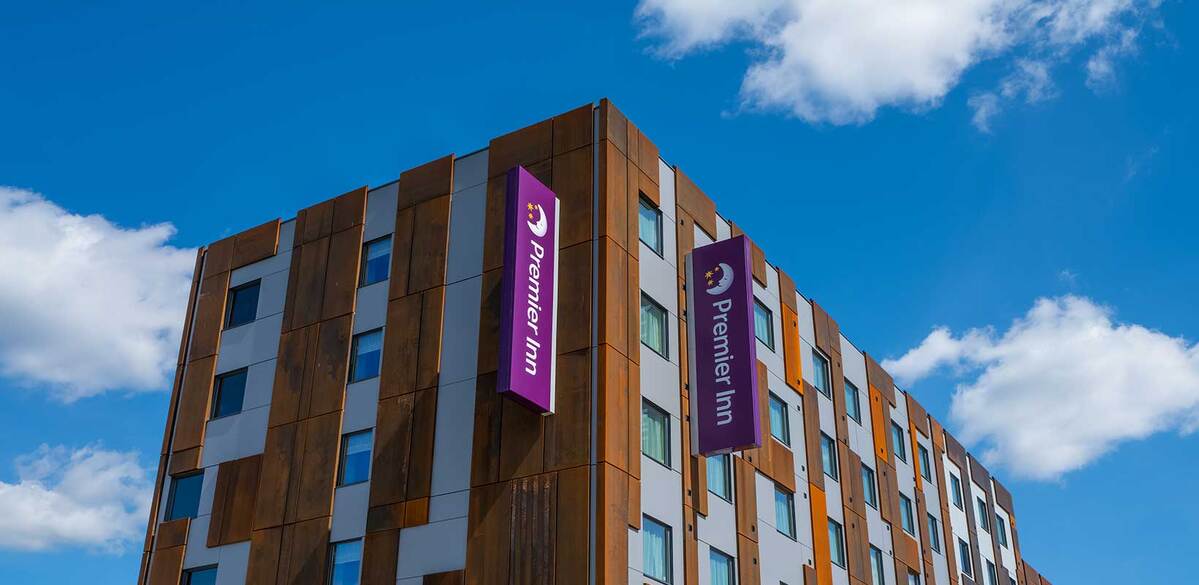
Premier Inn owner Whitbread is challenging a £2 visitor levy that was approved by Liverpool City Council this month.
It comes after Liverpool’s Accommodation Business Improvement District (ABID) announced its hotels and serviced accommodation providers had voted in favour of a nightly surcharge in April.
The ABID said the new scheme, which came into force on 1 June and is expected to last until 2027, will deliver £9.2m of investment for the region over two years.
Prior to this arrangement, the BID was funded through a top-up on business rates.
However, the secretary of state has since confirmed the owner of Premier Inn has requested that the ballot result be voided.
Premier Inn operates more than 10 hotels in Liverpool, including four in the city centre.
The process requires the city council and Liverpool BID Company to respond to the secretary of state with evidence by 24 June.
As the receipt of the challenge does not change the outcome of the ballot, the BID levy remains in place.
The government has advised the council to hold any funds collected under the levy pending the result of the challenge.
This will be refunded to levy payers should the secretary of state decide against the initial ballot result.
Cllr Harry Doyle, cabinet member for health, wellbeing and culture, said: “Liverpool’s hotels showed great commitment in supporting the ABID. The right to challenge the BID ballot result is built into the legislation, and the city council and BID team will be diligent in responding to the concerns that have been raised by Whitbread.
“This does, however, reinforce the council’s position and that of mayors around the country that visitor levies would benefit from a new national arrangement, established under the proposals for devolution. The case for a visitor levy has been made and is being advocated across the UK.”
Manchester was one of the first cities in the UK to impose the so-called “tourist tax”. Bristol is among cities also exploring the use of taxes for visitors, though some hoteliers have raised concerns about their potentially unwelcome impact on the hospitality industry.
Bill Addy, chief executive of Liverpool BID Company, which manages the ABID, said: “Clarity is really important. This is not a tax. Local authorities raise taxes, central government raises taxes. This visitor charge is an industry-led effort to boost the visitor economy, to have a say in how the hospitality sector is supported and tackle the challenges it faces. This has been a process entirely guided by the private sector board of hoteliers – who are using BID legislation to make a difference for their industry and their city.”
A spokesperson for UKHospitality added: “UKHospitality is clear that as these decisions are made, the ballot process must be fair, timely and transparent.
“We have been made aware of an appeal against the Liverpool accommodation BID and we have therefore written to the BID with a suggested eight-week delay to its introduction to allow for the appeal to run its course.”



Related content









Most Popular






Webinar: AI - building trust in the workplace
 Wed Feb 18, 2026
HRC
Mon Mar 30, 2026 ExCel London
The Caterer Supplier Awards
Thu Apr 16, 2026
The Acorn Awards 2026
Sun Jun 7, 2026


The Caterer provides trusted hospitality news, analysis and trends for restaurants, hotels and catering professionals.

Jacobs Media is a company registered in England and Wales, company number 08713328. 3rd Floor, 52 Grosvenor Gardens, London SW1W 0AU.
© 2026 Jacobs Media
