



 Menu
Menu


Government plans to ban the sale of energy drinks to under-16s
Proposals will mean restaurants and cafés cannot offer energy drinks with more than 150mg of caffeine per litre to children
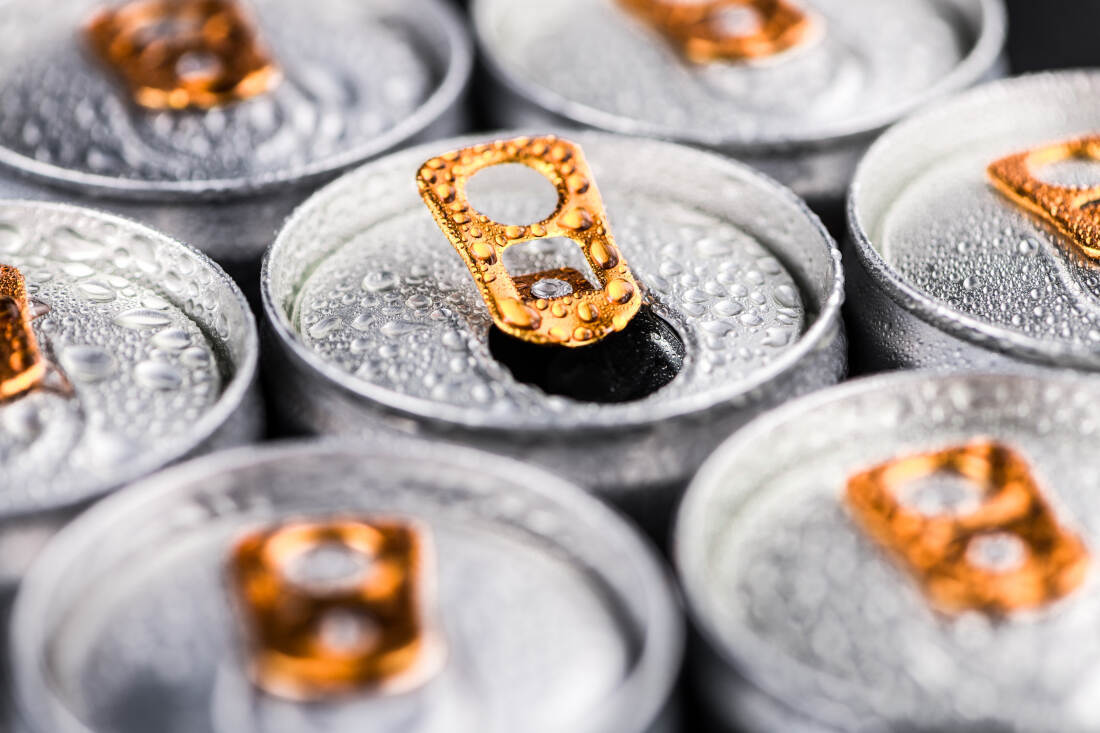
The government has set out plans to ban the sale of high-caffeine energy drinks to under-16s.
If passed, the law would make it illegal to sell energy drinks containing more than 150mg of caffeine per litre to anyone aged under 16 years across venues including restaurants and cafés, as well via vending machines.
The proposals would not affect lower-caffeine soft drinks or tea and coffee.
A consultation on delivery of the ban will run for 12 weeks and gather evidence from health experts, education leaders, retailers, manufacturers, local enforcement authorities and the public.
The government believes the ban could prevent obesity in up to 40,000 children and deliver health benefits worth tens of millions of pounds. Around 100,000 children consume at least one high-caffeine energy drink every day.
There is growing evidence linking these drinks to harmful effects in children, including disrupted sleep, increased anxiety, poor concentration and reduced educational outcomes.
Professor Amelia Lake, professor of public health nutrition at Teesside University and deputy director of Fuse the Centre for Translational Research in Public Health said: “Our research has shown the significant mental and physical health consequences of children drinking energy drinks. We have reviewed evidence from around the world and have shown that these drinks have no place in the diets of children.
“Other countries have age-restricted sales of energy drinks, Norway has recently announced their restrictions starting in 2026. I welcome this consultation, it will be a step forward in prioritising the health and wellbeing of our young population.”
Health and social care secretary Wes Streeting said that by preventing the sale of these drinks to under-16s, the government is “helping build the foundations for healthier and happier generations to come”.
Barbara Crowther of the Children’s Food Campaign at Sustain, an alliance of more than100 food, farming and health organisations, added: “High-caffeine energy drinks already carry warning labels saying ‘not suitable for children’, so it’s absolutely right for the government to limit them from being sold to children too.
“They are branded and marketed to appeal to young people through sports and influencers and far too easily purchased by children in shops, cafés and vending machines. Parents, teachers and health professionals have all called for this policy, so let’s get involved with the consultation and support children’s health.”
The British Soft Drinks Association’s voluntary Code of Practice on energy drinks, introduced in 2010, already prevents its members from marketing or promoting energy drinks to under-16s or sampling products with this age group. In addition, its members’ energy drinks should carry an advisory note stating ‘not recommended for children’.
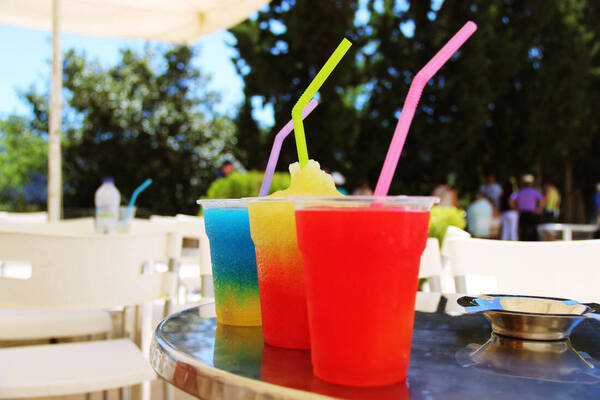
The latest proposals follow the Food Standards Agency’s recent recommendations that slush ice drinks containing glycerol should not be sold to children aged under seven. Consumed at high levels, glycerol can cause very low blood sugar levels and unconsciousness in young children.






Most Popular

HRC
 Mon Mar 30, 2026
 ExCel London
The Caterer Supplier Awards
Thu Apr 16, 2026
The Caterer People Summit 2026
Thu May 14, 202658VE, London
The Acorn Awards 2026
Sun Jun 7, 2026


The Caterer provides trusted hospitality news, analysis and trends for restaurants, hotels and catering professionals.

Jacobs Media is a company registered in England and Wales, company number 08713328. 3rd Floor, 52 Grosvenor Gardens, London SW1W 0AU.
© 2026 Jacobs Media
