


 Menu
Menu


Turn a cuppa into a tea party
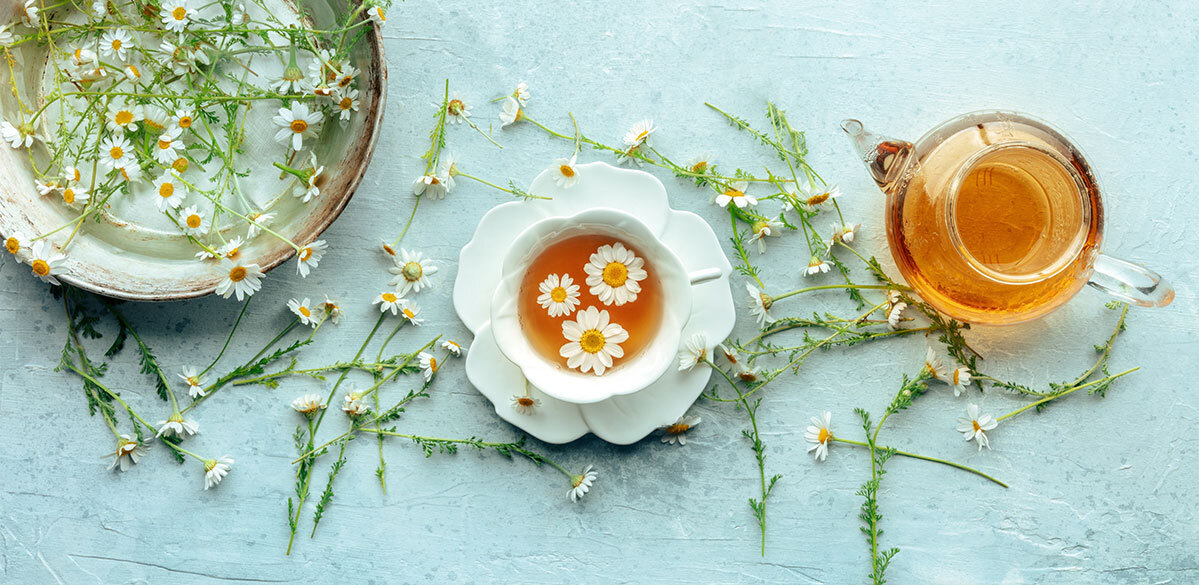
Don’t let your tea selection blend in – stand out with floral, fruity and herbal creations presented with the ceremony they deserve
Tea could be forgiven for feeling a bit put out by the continuing dominance of coffee in the out-of-home market. Despite sharp rises in coffee prices, consumers are showing no signs of falling out of love with it.
While no part of the world is safe from climate change and the impact of extreme weather events, tea is a stable crop, and typically sells for at least £1 per cup below the price of coffee. However, it accounts for less than 20% of hot drinks sales out-of-home.
Figures from analyst Kantar show that overall tea sales were flat in volume terms in the year to July, while notching up a 2.7% value increase, slightly below average price increases across hospitality and foodservice.
Within that, standard black tea and fruit tea were the biggest winners, both growing their share of total tea volumes. Kantar also believes that some orders for matcha and chai are recorded as latte sales, so not reflected in the tea figures.

Youth club
So there are opportunities for operators willing to put some legwork into their tea menu. Bidfood describes growing consumer interest in speciality tea serves as a “tea tonic” in its 2026 food trends report. Its research shows that while black tea is the first choice for 59% of consumers, the market is shifting for the younger demographic.
Among students, 47% pick iced tea as their top choice, 42% bubble tea and 27% matcha. Rhia Harry, Bidfood’s insights and research manager, says: “Thirty-nine per cent of 16- to 34-year-olds are drawn to teas inspired by sweet treats. Emerging trends are herbal, spiced and chai blends, alongside new combinations such as watermelon, lime, raspberry lemonade and elderflower.
“Cherry is making waves as a flavour that captures the comforting essence of British desserts, such as cherry bakewell, offering a nostalgic yet modern experience. Meanwhile, coconut adds a luxurious touch, pairing beautifully with chai spice, matcha or mango for a truly premium feel.”
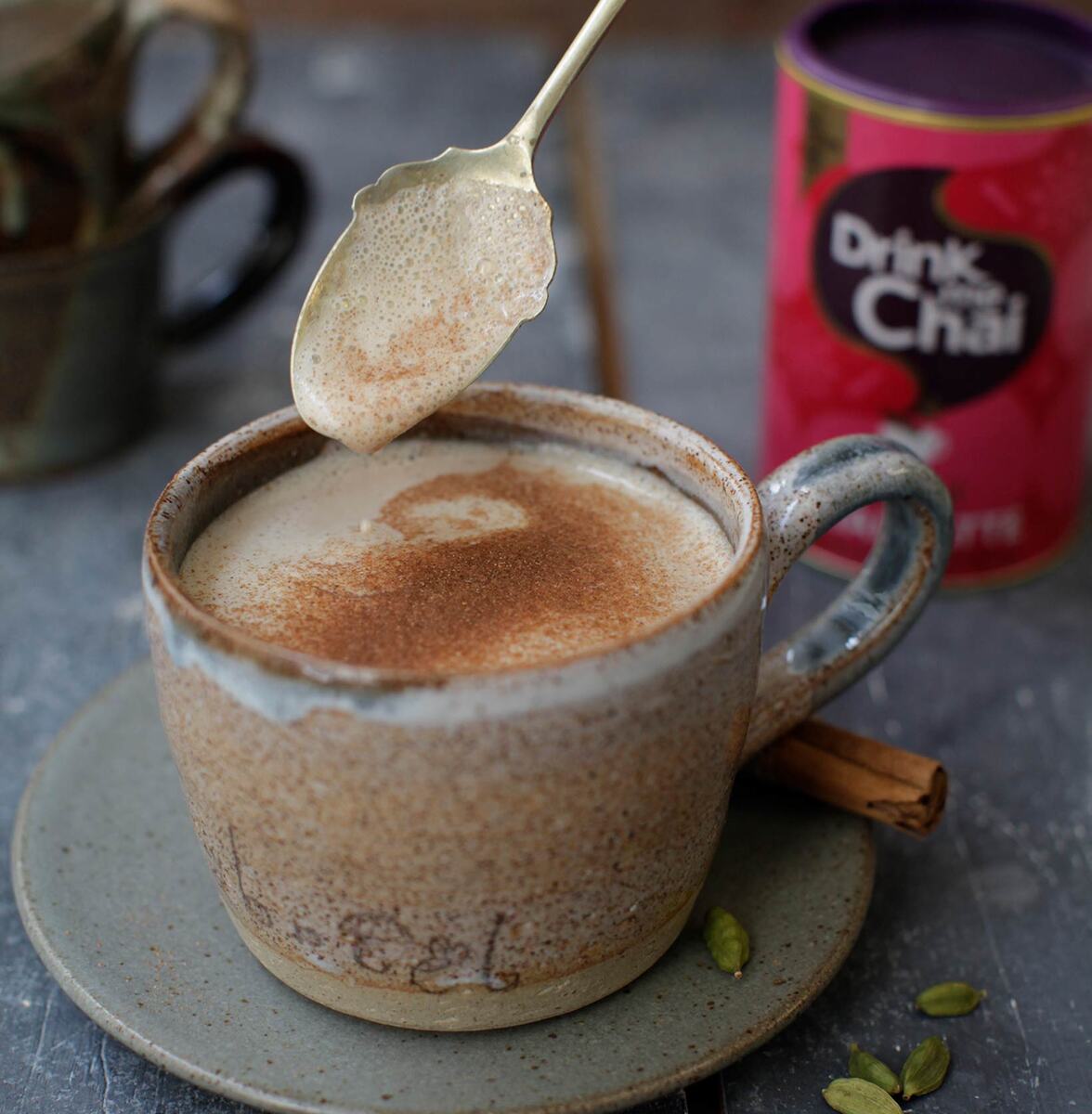
Michelle Younger, marketing director at Aimia Foods for Professionals, which supplies the Drink Me Chai brand, says: “New flavours and ways of serving teas have allowed this market to gain a much wider reach, with younger customers savouring a wide variety, from herbal, iced and bubble tea through to tea-based cocktails. Alongside this is a growing demand for aromatic and spiced flavours, which has resulted in the growing popularity of chai.”
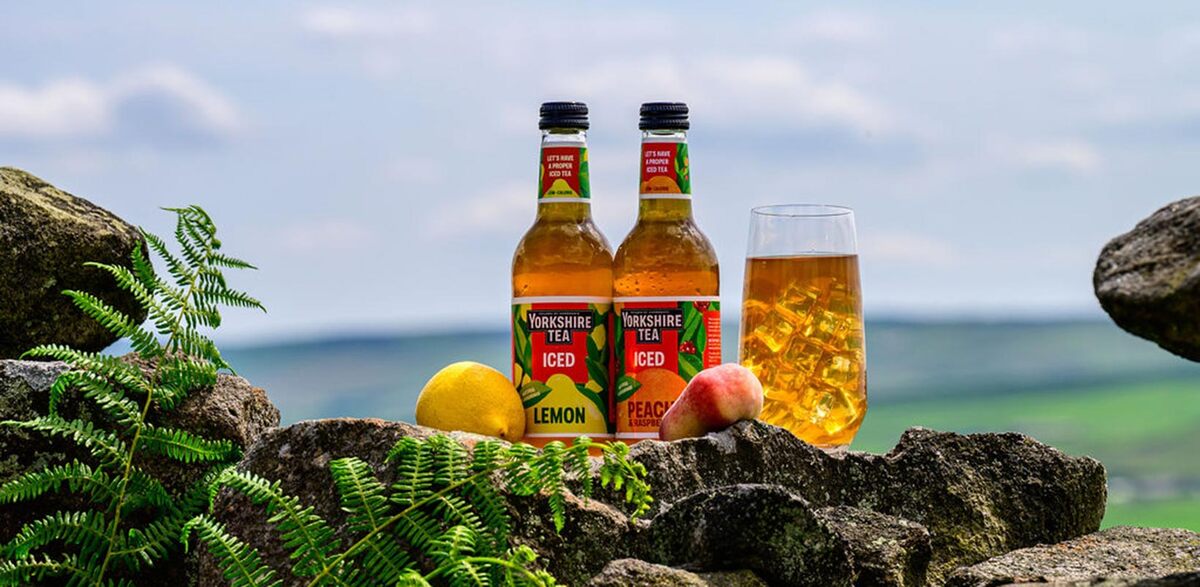
Yorkshire Tea has added an iced tea range and trade marketing executive Evie Perrett says: “Iced tea is a fast-growing category that taps into key consumer trends such as health, refreshment and versatility.
“With more customers seeking alternatives to sugary soft drinks and looking for premium, flavourful options, iced tea offers operators a simple way to elevate their drinks menu. Yorkshire Tea Iced brings trusted quality and a refreshing twist to tea, making it an easy win for summer menus, grab-and-go formats and beyond.”
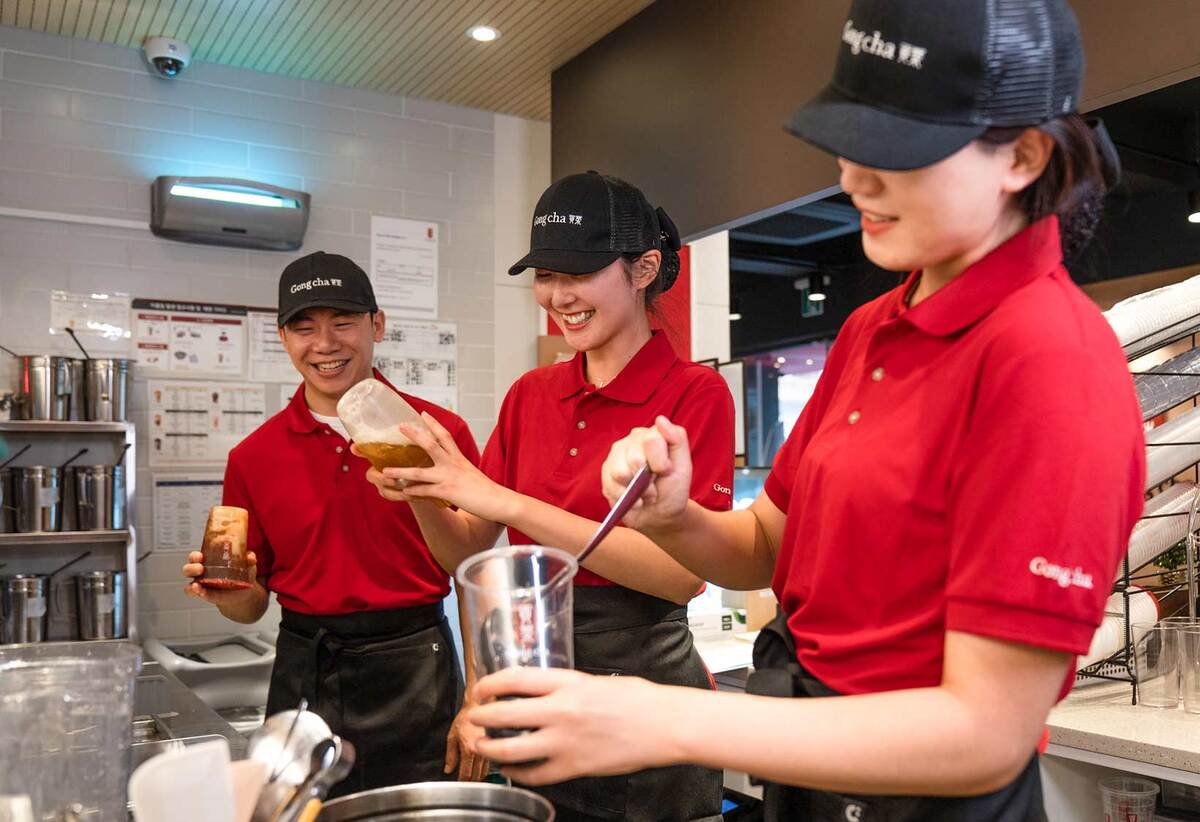
Justus Haller, general manager of growth markets for the Gong Cha brand, says that while black tea remains older consumers’ tea of choice, “we’re seeing a new generation take a more experimental approach, with different teas for different moments”.
He adds: “Gen Z consumers increasingly opt for oolong, known for its smooth and earthy flavour, and jasmine, with its light and floral notes, for a post-lunch pick-me-up. We’re also seeing strong demand for combinations that pair tea with other primary flavours, such as taro and matcha.
“Gen Z consumers seeking alcohol-free social experiences are also creating more opportunities for inclusion-based teas, such as bubble tea. With an endless amount of customisation options, bubble tea allows consumers to personalise everything from the tea base and sweetness level to toppings.”
Premium performance
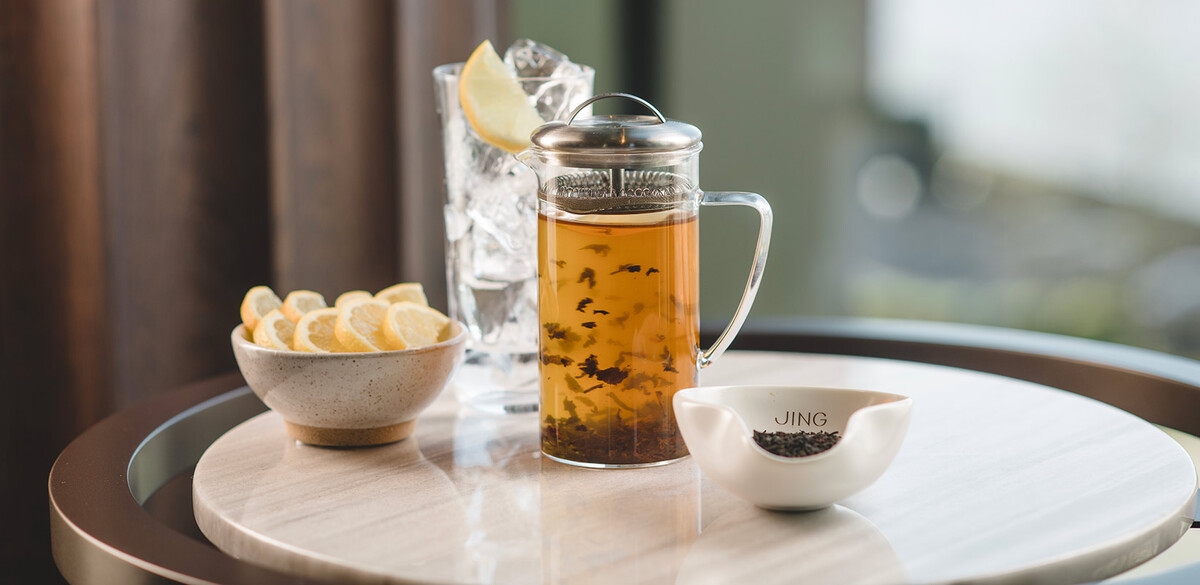
Tea brands targeting a smarter tea service are giving tea the same ritual appeal that keeps many coffee serves popular. Melanie Tricklebank, chief executive of tea brand Jing, says: “There’s absolutely nothing wrong with a milky morning cuppa, but we’re passionate about creating that ‘aha’ moment: when someone tastes a tea that transforms their idea of what tea can be.”
The brand partners with hotels and restaurants “to craft drink experiences that guests remember, happily pay more for and return to enjoy again. Whole leaf tea looks beautiful while it is infusing, and serving it in our glass ‘tea-ieres’ or teapots, alongside our tea-timer, is an effortless, elegant way to reveal the infusion, creating theatre and adding value”.
“The reality is operators struggle to create added value with poor quality products”
When it comes to cold infusions and iced teas, Tricklebank says: “Tea offers layered flavour and tannins that deliver a sophistication that feels mixologist-crafted, not just an alternative to alcohol. Favourites include Jasmine Silver Needle, Earl Grey and blackcurrant and hibiscus, while our sparkling Jasmine Pearls offer a premium, unsweetened alternative to Champagne.”
Even with its lower price point, tea offers operators excellent margins if they promote their range and premiumise the customer experience, says Allan Pirret, sales director of loose leaf tea supplier Novus Tea.
“I see people scanning the counter to see what brands are on offer before deciding whether to order tea. The reality is operators struggle to create added value with poor quality products.
“Where there’s back board pricing, above the heads of the serving staff, coffee tends to be listed by product and serve, but not tea. We encourage operators to list their entire menu and to push the fact that it’s loose leaf. If it’s table service, include the same details on table menus.”
He also suggests that the temptation for operators to compromise on tea quality, in a way they wouldn’t on coffee, is a false economy. “You can have 3g-5g of tea in a smaller teapot and deliver an outstanding experience for a very reasonable price.”
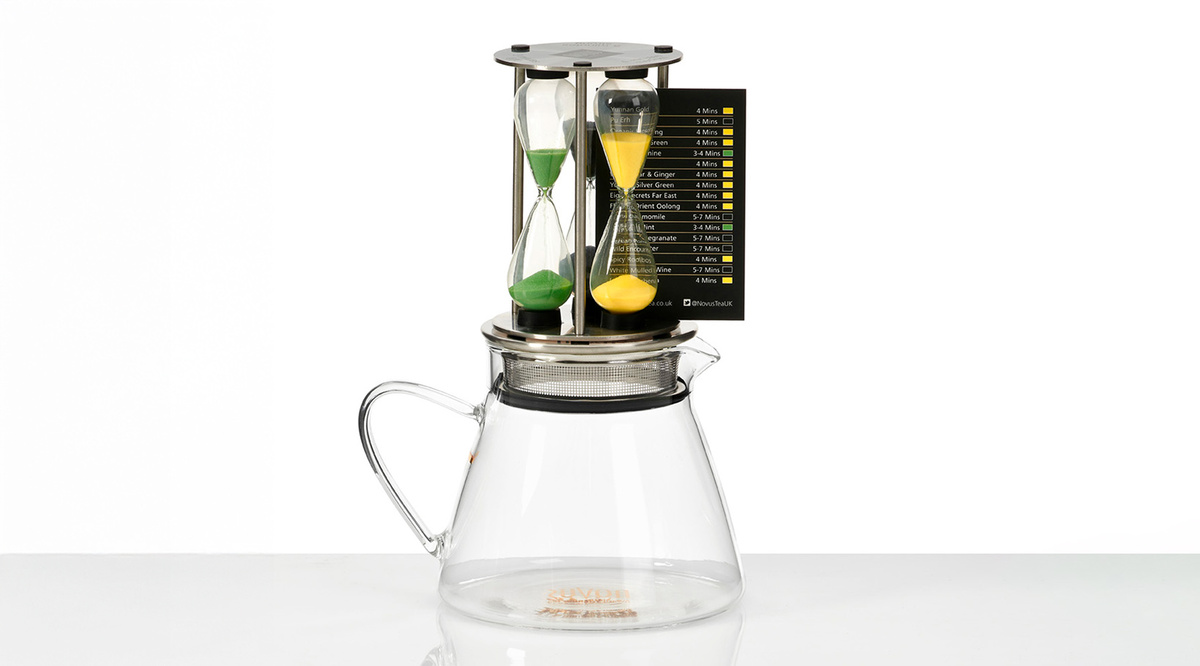
Novus also encourages operators to observe the tea-making ritual, supplying glass teapots with a gold line to mark the water level, and timers to deliver a perfect cup. “We encourage operators to put cold water in the bottom of the teapot up to the base of the handle and then boiling water up to the line. They get a perfect temperature with a minimum of fuss.”
Suppliers
Aimia Foods for Professionals www.aimiafoods.com
Bidfood www.bidfood.co.uk
Gong Cha www.gong-cha.com
Jing www.jingtea.com
Novus Tea www.novustea.co.uk
Yorkshire Tea www.taylorsoutofhome.co.uk
Main photo: Plateresca/Shutterstock



Most Popular




Best Places to Work in Hospitality 2026
 Wed Feb 4, 2026
Webinar: AI - building trust in the workplace
Wed Feb 18, 2026
The Caterer Supplier Awards
Thu Apr 16, 2026
The Acorn Awards 2026
Sun Jun 7, 2026


The Caterer provides trusted hospitality news, analysis and trends for restaurants, hotels and catering professionals.

Jacobs Media is a company registered in England and Wales, company number 08713328. 3rd Floor, 52 Grosvenor Gardens, London SW1W 0AU.
© 2026 Jacobs Media
