


 Menu
Menu


How South Place hotel uses AI to drive bookings and transform the guest experience
Dean Culpan’s fear about being left behind when it comes to technology led to South Place now leading the field
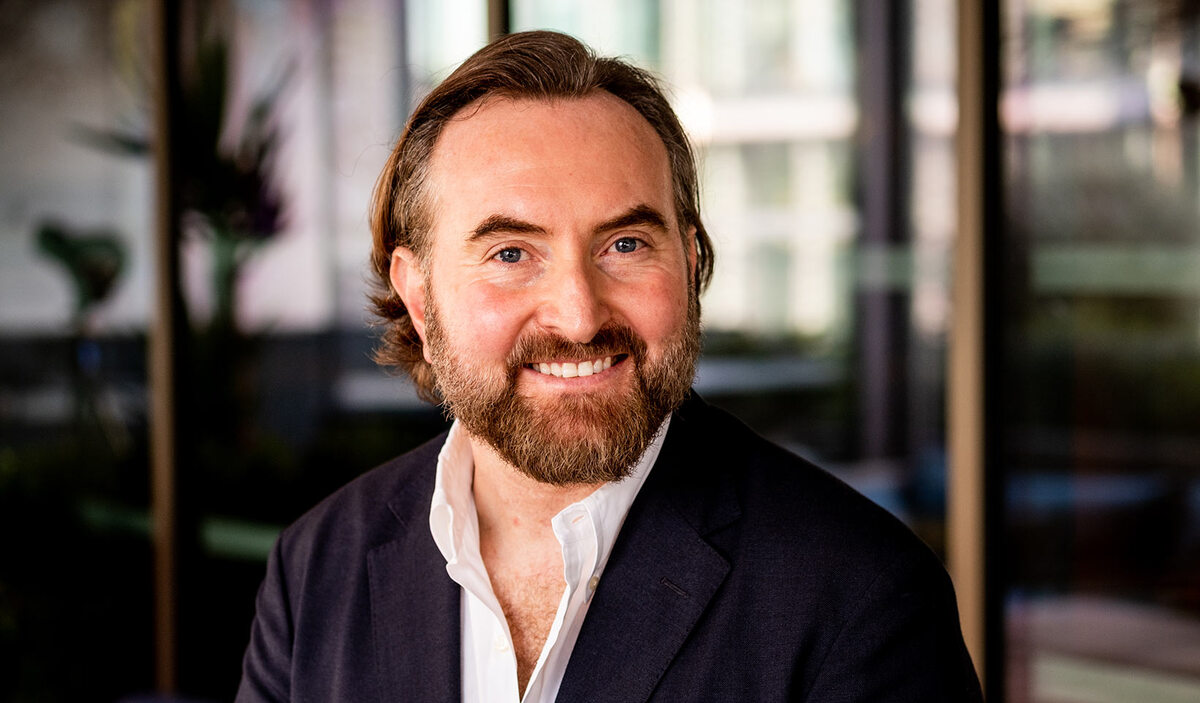
At 51, Dean Culpan decided he wanted to learn to code. The general manager of South Place hotel in London was conscious that, if the five-star hotel didn’t embed technology and AI into its operations, it was in real danger of being left behind.
“Relevance is necessary in an ever-changing world,” he says, adding that without it, businesses risk being “sideswiped”. And although organisations must stay relevant, it is ultimately the people behind them who drive that.
Career progression, he says, is increasingly driven by relevance rather than age, with younger leaders often appointed because they better understand how the industry is evolving, and those who fail to adapt can find themselves sidelined – not through ageism, but through an inability to equip themselves with the skills and knowledge to keep pace.
So, in a bid to bring both himself and his hotel up to speed on AI, Culpan undertook a 12-week coding course in early 2024 to better equip himself for the technological change he wanted to embed. The move followed the appointment of a full-time data analyst and a computer engineer with a master’s degree in AI, marking the starting point of South Place hotel’s AI transformation.
Culpan’s aim was to drive revenue through smarter pricing, deepening guest personalisation and improving the guest journey, as well as embedding more efficient back of house operations.
The time and investment paid off. A year later, by April 2025, AI-driven website improvements have increased unique visitors from 17,000 a month to 25,000 a day, with booking conversion rates doubling from around 20% to nearly 40%.
But how did Culpan and his team do it?
AI-driven, multilingual search engine optimisation
Culpan developed and implemented an AI-driven SEO strategy in 12 different languages, including French, German and Japanese. By using AI to analyse and adapt search phrases for different key markets, the hotel’s website appeared more frequently in relevant search results, driving increased web traffic and higher booking conversion rates.
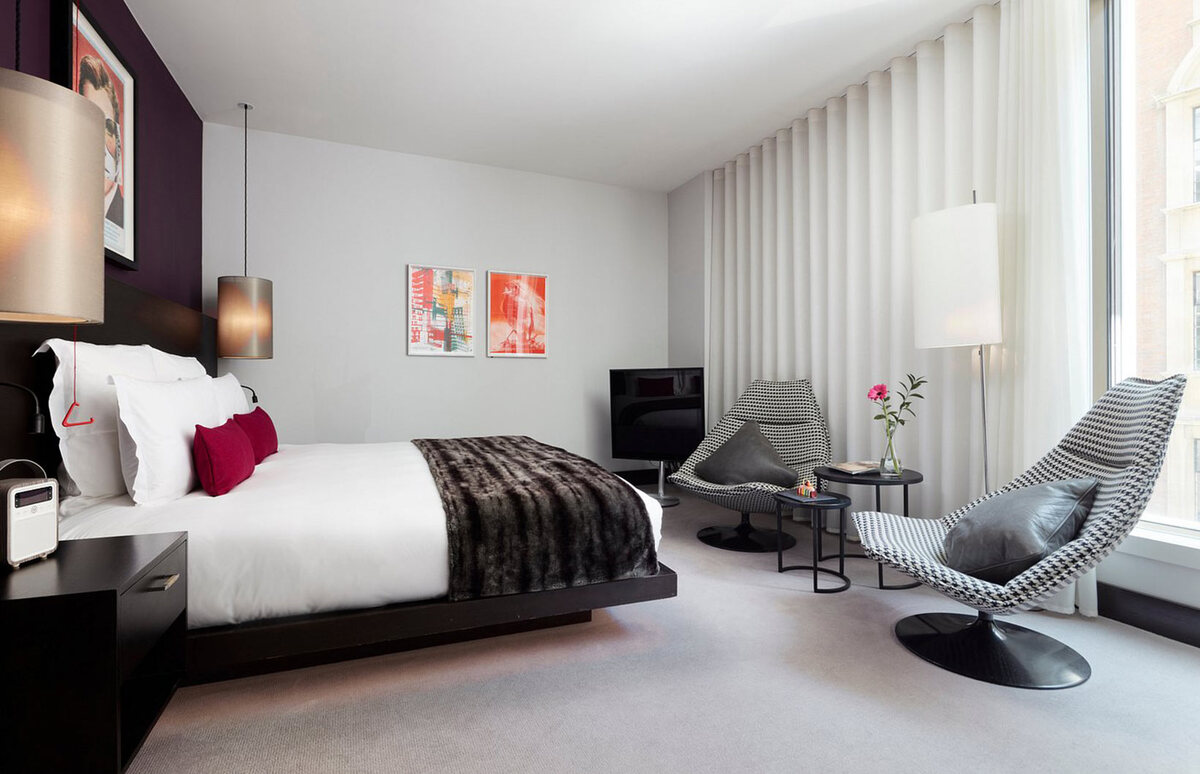
AI-powered booking systems
Implementing AI-driven booking processes for both rooms and restaurant reservations improved booking conversion rates, doubling them from around 20% to nearly 40% as more website visitors directly booked rooms and restaurant tables because, as Culpan shares, “the bots attached to the website will actually drive you to book more facilities within it”.
AI-led targeted marketing
Culpan used AI for targeted marketing campaigns. For example, by using German-language content and understanding German travellers’ preferences (Culpan explains Germans tend to “want convenience – they want mixer taps, food on-site and easy transport”), bookings from German guests increased by 120% in just one year. The hotel went from selling about nine rooms a week to selling about 40 to 50 rooms a week. AI-generated data, he says, “is teaching us that these populations are looking for different things and we’re plugging into that. AI learns it and then feeds it back to us, so that we understand”. Marketing communications are then adapted accordingly.
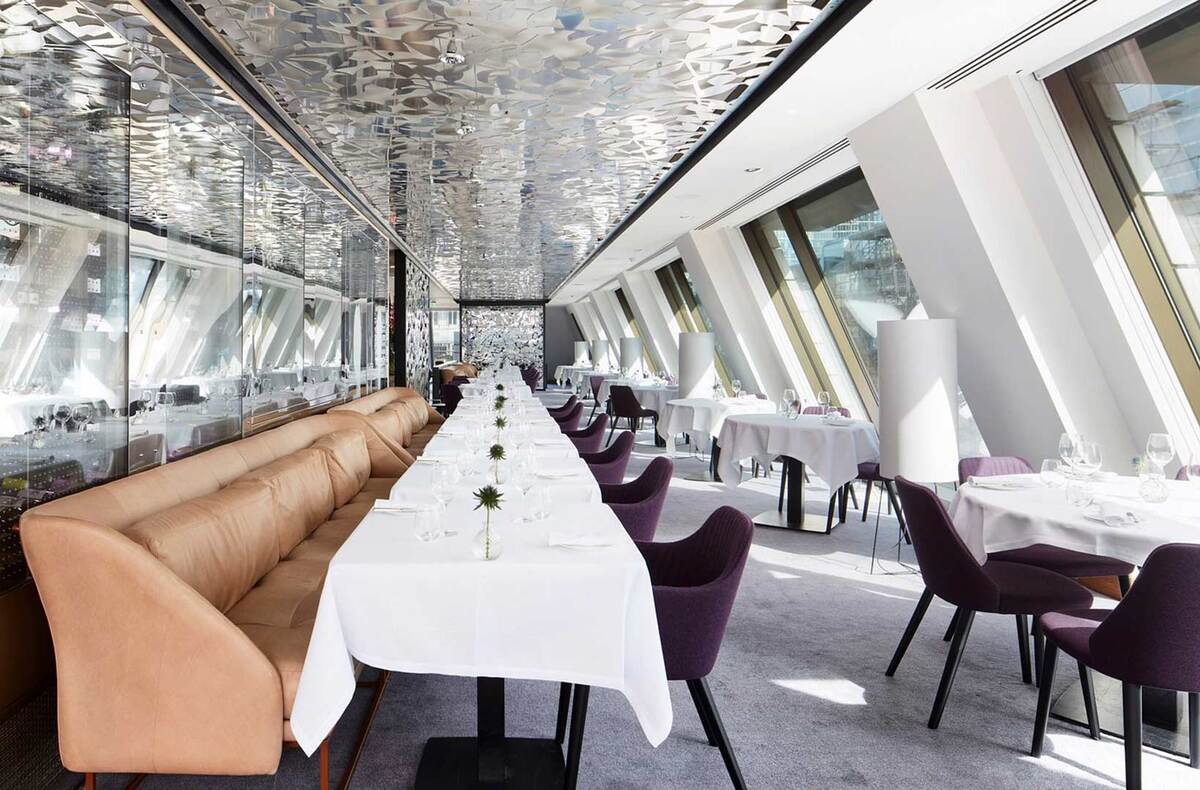
AI-driven guest journeys
AI allowed for more personalised guest journeys, with systems that recognised guest preferences and provided tailored experiences and recommendations, further boosting satisfaction and repeat bookings. Culpan says that if a guest books through a social media platform, the hotel will “pick up titbits through the socials and add some notes to the system”.

Hear more from Culpan during The Caterer’s AI for Guest Experience webinar on 28 January 2026 at 10am. Whatever the scale of your hospitality operation, the webinar will provide actionable strategies and insider insights to help you stay ahead in an increasingly competitive market. Book your place on the free one-hour webinar now.


Most Popular
Webinar: AI for Guest Experience
 Wed Jan 28, 2026
Best Places to Work in Hospitality 2026
Wed Feb 4, 2026
Webinar: AI - building trust in the workplace
Wed Feb 18, 2026
The Caterer Supplier Awards
Thu Apr 16, 2026


The Caterer provides trusted hospitality news, analysis and trends for restaurants, hotels and catering professionals.

Jacobs Media is a company registered in England and Wales, company number 08713328. 3rd Floor, 52 Grosvenor Gardens, London SW1W 0AU.
© 2025 Jacobs Media
