


 Menu
Menu


Sober October: EU experts share tips to maximise low- and no-alcohol sales
With Sober October just around the corner, the low- and no-alcohol category is preparing for another sales boost
With Sober October just around the corner, the low- and no-alcohol category is preparing for another sales boost – and experts from the European Union’s “More Than Only Food & Drink” campaign are sharing their insights with hospitality operators keen to capitalise.
Like Dry January, Sober October has evolved beyond its fundraising origins into a mainstream lifestyle choice. According to recent research, 61% of 18–24-year-olds plan to reduce or stop drinking over the next year – a figure that rises to 68% for 25–34-year-olds. More than half (53%) of UK adults have consumed low- or no-alcohol drinks in the past 12 months, and the category is forecast to grow strongly. For pubs, bars and restaurants, this is an unmissable opportunity to broaden their appeal and build customer loyalty.
Beer: Reduce barriers, increase visibility
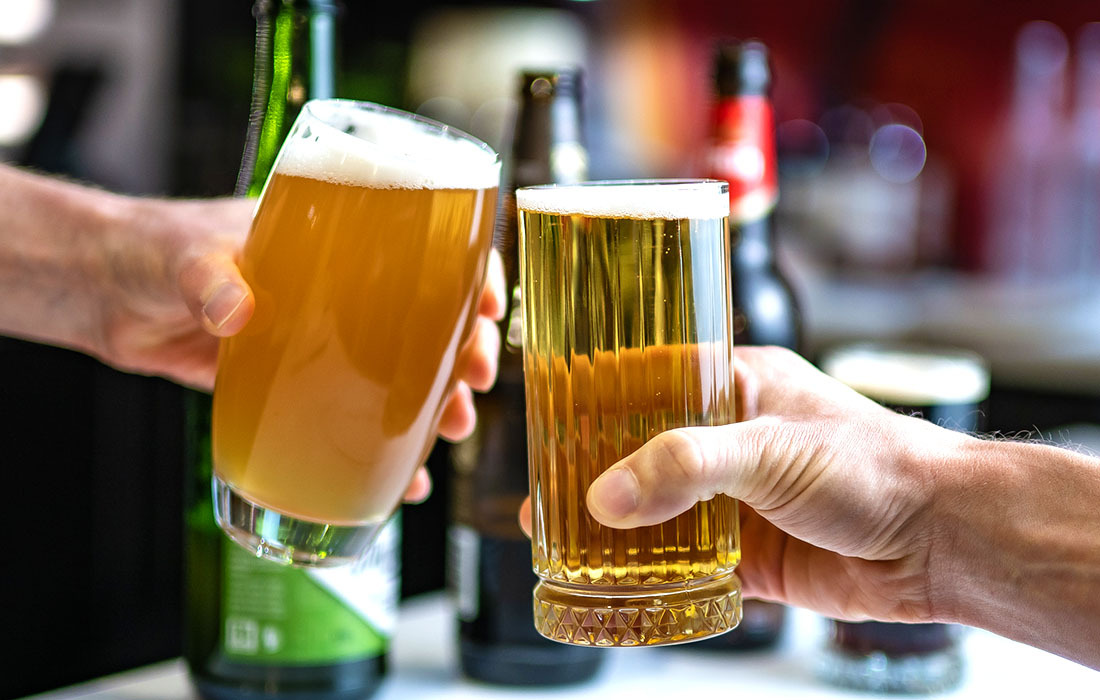
Beer is the most established category in the low- and no-alcohol space, thanks in part to the strong brewing traditions of countries such as Germany, Spain and Denmark.
“We are now at a stage when it’s fully acceptable to choose alcohol-free beer in a restaurant or bar,” says Mark Dredge, beer presenter and More Than Only Food & Drink campaign ambassador. “This is helped by having so many good quality options available. Countries with strong brewing traditions were among the first to embrace no- and low-alcohol options. Germany, for instance, offers excellent alcohol-free lagers and wheat beers, such as Münchener Bier PGI; while Spain produces superb alcohol-free lagers. Denmark’s alcohol-free IPAs also stand out.”
PGI (Protected Geographical Indication) means a food or drink is closely linked to a particular place, with at least one stage of its making done in that region.
For operators, he believes visibility is vital. “To maximise Sober October sales, operators need to reduce the barriers to choosing alcohol-free drinks and make the options clear. Hospitality needs to offer alcohol-free beers to suit a range of tastes. By showing that you are taking non-drinkers seriously, operators will increase their appeal to wider groups and encourage non-drinkers to stay for longer. Serving an alcohol-free beer on draught is even better as it gives anonymity to those who don’t want to drink alcohol.”
Wine: Catching up fast
Wine has traditionally lagged behind beer in the alcohol-free stakes, but innovation is accelerating. Sales of alcohol-free wine rose 8% last year, and new techniques are helping to overcome the challenges of dealcoholisation.
“Wine has been much slower to respond to the alcohol-free movement than beer,” explains Neil McAndrew, wine consultant and advisor to the More Than Only Food & Drink campaign. “This is partly due to the fact that the process of stripping out the alcohol removes many of the key flavours from wine, whereas de-alcoholised beer still retains its familiar inherent taste derived from the hops, malt and yeast.
“Fortunately, innovation and new techniques are moving things forward rapidly with both established wine producers and those new to the market leading the charge. I believe that wine still has a way to go to match the quality and authenticity of alcohol-free beer, but it will not take long to get there as the market potential and rate of innovation is huge.”
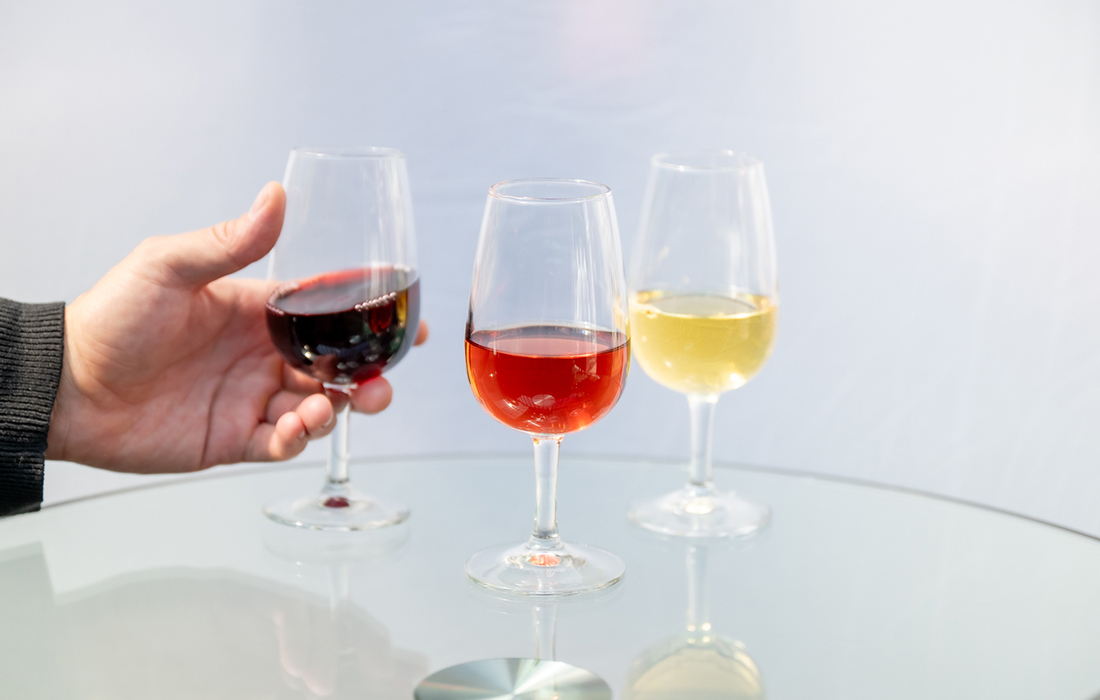
He points to Germany as a market leader: “Most German wines, for example wines from Mosel PDO, already have low alcohol to begin with. PDO (Protected Designation of Origin) refers to a food or drink which is made entirely in one region, from start to finish, using local expertise and traditions.”
There are signs of growing official recognition too. This August, two wine bodies in Tejo, Portugal, agreed that low- and no-alcohol wines could retain Tejo PGI status. Under the change, wines with a minimum of 7.5% ABV will be included as light wines, and partially de-alcoholised wines with a minimum of 0.5% ABV will also be permitted.
Neil stresses the need for hospitality to act now: “For operators, the key is to stock a genuinely attractive range for mindful drinkers. There are good examples of still and sparkling alcohol-free wines coming through from classic regions such as Provence and Bordeaux, alongside excellent German wines. Customers expect choice – and those who don’t see it may take their business elsewhere.”
Spirits: Flavour and quality drive repeat sales
Sales of alcohol-free spirits have been performing well in terms of volume sales, showing a 23.3% growth year-on-year. Here, taste is king.
“It’s clear there’s no one-size-fits-all approach to success in this space.” says Kristiane Westray, spirits writer, educator and More Than Only Food & Drink campaign ambassador. “Aside from that, the most important consideration for retail and hospitality is that the flavour experience will win out over anything else. It might be easy to sell that first bottle, that first cocktail, on a social media trend or ingredient fad, but it’s quality that counts for the important repeat sale. Pay attention to that above anything else.”
She adds: “In terms of low-alcohol serves, much like with broader cocktail trends, savoury flavour profiles are proving popular. This aligns with some of the health motivations that might be behind a person’s decision to reduce their alcohol intake. If they are cutting back on the booze, why not remove sugar too? Long drinks made with the likes of Swedish Aquavit PGI, Amaro and other bitters play into this trend and aperitivo-style alcohol-free spritzes can really fit the bill.”
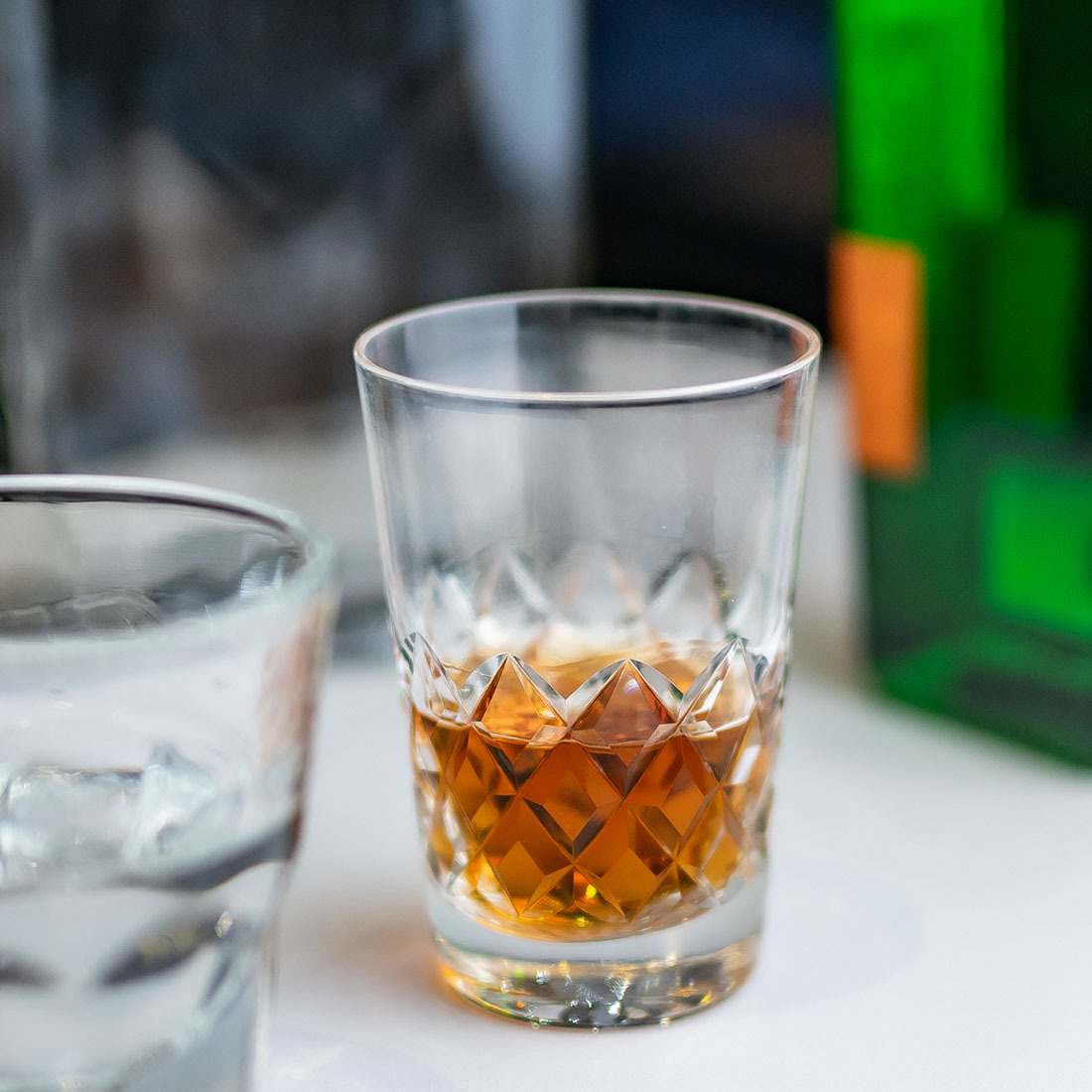
And presentation matters. “Remember too that people drink with their eyes – and this is especially true in our social media-infused culture. Whatever people drink, whether it’s full-strength, low- or zero-alcohol, it needs to look good. For bars, that means considering ice, garnishes and mixers to elevate each serve.
A lasting shift
As sobriety and mindful drinking continue to gain momentum, operators can be reassured that EU producers are responding with high-quality innovation across beer, wine and spirits. The range of products will only expand in the years ahead, giving hospitality a wider choice of tools to meet customer demand.
While Sober October offers a seasonal hook, this is a long-term shift in consumer behaviour – and the outlets that embrace it now stand to gain most.
For more information about visit the More Than Only Food & Drink website.


Most Popular

Best Places to Work in Hospitality 2026
 Wed Feb 4, 2026
Webinar: AI - building trust in the workplace
Wed Feb 18, 2026
The Caterer Supplier Awards
Thu Apr 16, 2026
The Acorn Awards 2026
Sun Jun 7, 2026


The Caterer provides trusted hospitality news, analysis and trends for restaurants, hotels and catering professionals.

Jacobs Media is a company registered in England and Wales, company number 08713328. 3rd Floor, 52 Grosvenor Gardens, London SW1W 0AU.
© 2026 Jacobs Media
