


 Menu
Menu


Foodservice price inflation spikes over festive season
Food and drink costs accelerated due to high demand for staple items in the run-up to Christmas
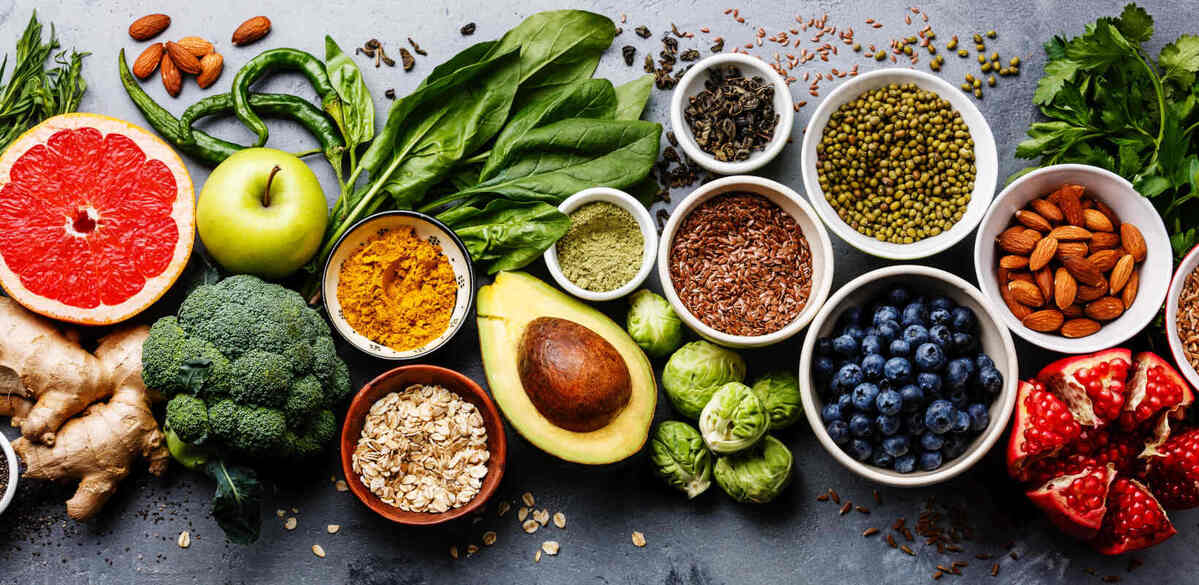
Food and drink prices in hospitality rose by 1.1% in December, according to the latest edition of the Foodservice Price Index from Prestige Purchasing and CGA by NIQ.
This sharp upward month-on-month movement marks significant acceleration in inflation to close the year, following a 0.3% fall in October 2025. The uptick was driven by high demand for many items in the run-up to Christmas, as well as persistent supply-side constraints.
The Index recorded steep increases in prices in several high-volume categories. They included milk, cheese and eggs, which recorded the highest rise at 1.9%, as domestic price pressures intensified despite continued softening in global dairy commodity markets. Disruptions related to avian flu reinforced volatility in egg supply chains, compounding costs during a peak usage period.
Fruit prices rose nearly as fast, at 1.8% in December, as markets shifted to higher-cost glasshouse production for soft fruits, and yields of Spanish citrus were significantly reduced. Inflationary momentum also remained critically high in coffee, tea and cocoa. Coffee markets continued to trade near multi-year peaks due to adverse weather in Brazil and Vietnam, while cocoa prices were close to record levels, driven by weak West African harvests and tight inventories.
In meat and poultry, inflation accelerated to 1.5%, as strong seasonal demand collided with structural challenges. Beef traded at historically strong levels due to tight domestic availability, while poultry markets were volatile due to disruptions to supply from avian flu.
Prices also rose in categories including oils and fats and sugar, jam, syrups and chocolate, highlighting a broad-based inflationary environment where domestic energy, labour and logistics costs are limiting the pass-through of any softening in global commodities.
Shaun Allen, CEO of Prestige Purchasing, said: “The 1.1% month-on-month surge in December was a stark reminder of the volatility that continues to plague the supply chain. While global indices for sugar and vegetable oils showed signs of easing in 2025, the reality for UK operators was very different. Acute supply shocks – from avian flu in poultry and eggs to climate-driven shortages in coffee and cocoa – combined with high domestic operational costs to drive prices up significantly just as the sector needed stability the most.”
Reuben Pullan, senior insight consultant in the hospitality operators and food team at NIQ, added: “Another spike in pricing was an unwelcome end to a tough year of trading for hospitality. Coming alongside sharp rises in other areas, food and drink inflation is piling yet more pressure on operators’ profitability, while forced menu rises are impacting the spending confidence of their guests. This remains a resilient and dynamic sector with lots to look forward to in 2026, but businesses will be keeping everything crossed for relief on inflation and key costs in the months ahead.”
Food benchmarking service Quenelles analysed that the cost of serving a traditional Christmas dinner has soared by a third in the past five years for caterers.
Meanwhile, purchasing specialist Lynx Purchasing recently predicted that beef, fish, coffee and cocoa prices will remain high for hospitality buyers in the coming months.








More from The Caterer

Most Popular




Best Places to Work in Hospitality 2026
 Wed Feb 4, 2026
Webinar: AI - building trust in the workplace
Wed Feb 18, 2026
The Caterer Supplier Awards
Thu Apr 16, 2026
The Acorn Awards 2026
Sun Jun 7, 2026


The Caterer provides trusted hospitality news, analysis and trends for restaurants, hotels and catering professionals.

Jacobs Media is a company registered in England and Wales, company number 08713328. 3rd Floor, 52 Grosvenor Gardens, London SW1W 0AU.
© 2025 Jacobs Media
