


 Menu
Menu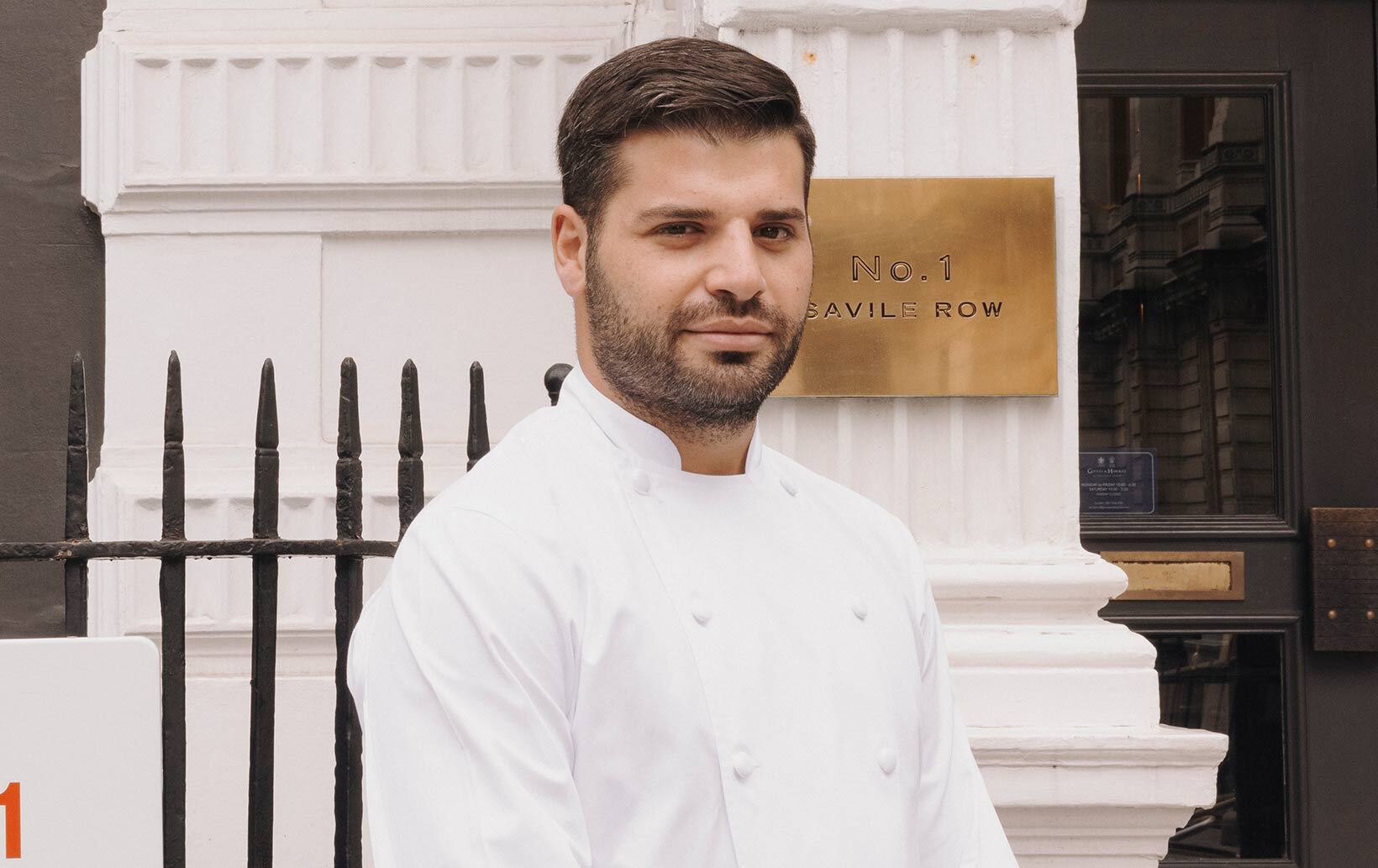


Two operators on the trends to watch in 2026
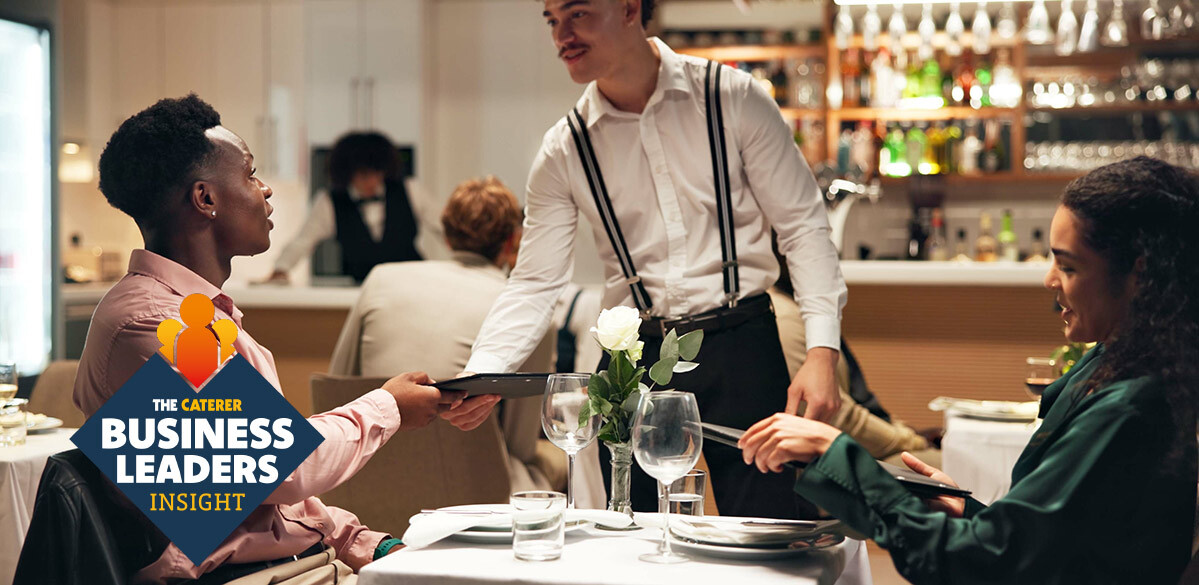
Phil Roker, managing director of Vacherin, and Rhia Harry, research and insights manager at Bidfood, respond to findings from The Caterer’s Business Leaders Survey about how consumers are shaping menus

‘We have to be as flexible as the workforce’
Phil Roker, managing director, Vacherin
Our industry is incredibly diverse, and this is mirrored in the needs of consumers. Vacherin specialises in workplace dining in London, looking after the headquarters of businesses from a wide range of sectors, from law and banking to media and technology. Our hospitality offer must reflect the demands of working in high-pressure, fast-paced environments, as well as London’s vibrant food scene.
For us, success lies in working closely in partnership with each client and understanding the needs of their business and employees. It’s not just about keeping abreast of consumer behaviour around food but also understanding workplace patterns and behaviours, and the direction of each business.
Some of our clients – for example those in technology, artificial intelligence and trading – are in rapid growth mode, and for them we need to be agile and innovative to bring their growing, dynamic workforce the best that London has to offer. Flexibility is key. As businesses rapidly expand, they need to flex their workspace commitments, and in these cases we have increasing demand for delivered-in solutions from our central production kitchen. This allows clients to keep fixed overheads to a minimum and we can respond to month-on-month increases in numbers, as well as varied working patterns that may mean the full food offer is not needed every day of the week.
Hospitality is undoubtedly feeling the pinch due to challenges with rising costs. However, since the pandemic one of our main priorities remains enhancing the workplace experience through food, service and events, giving people a reason to visit the office. The market pressures that are pushing up high street prices impact us differently as we are able to be increasingly more competitive on pricing, giving employees even more reason to eat in the office rather than at home or on the high street.
It’s all about tuning into our clients, their business and their people, and delivering what they need.

‘Global flavours will take centre stage’
Rhia Harry, research and insights manager, Bidfood
Exciting global flavours, stacked and loaded dishes, and gut-loving wholefoods are set to dominate menus in 2026, according to our newly released Food and Drink Trends report. It has unveiled the most forward-thinking trends yet, highlighting the tastes, ingredients and experiences set to shape the out-of-home market.
While value, quality and elevated experiences remain important, this year’s insights reveal how emotion is driving dining choices. Eating is not just a physical act but an emotional one, with comfort, tradition and adventure shaping how consumers connect with food and experiences.
Despite pressures from rising operational costs and economic uncertainty, consumers remain eager to explore and experiment. Around half of diners want to try the latest food trends, rising to 65% among 18- to 39-year-olds. For operators, putting food at the heart of the experience remains the most effective way to stand out.
The trends for 2026
Our research has identified four key behaviours influencing food and drink culture in 2026:
- Community and sharing are central. Smaller plates, sharing platters, group dishes and bottomless brunches offer relaxed entry points for trying new flavours, with 73% of consumers likely to try a small plate, 68% a sharing platter, 60% a group dish and 59% a bottomless brunch.
- Zebra striping – alternating alcoholic and non-alcoholic drinks – continues to rise. It helps diners stay in control of alcohol consumption (55%) and avoid getting drunk (44%), and low- and no-alcohol options also appeal for their health benefits (41%), refreshment (38%) and treat value (34%).
- Social media remains a major driver. Nearly half of consumers follow food-focused channels and 41% visit venues inspired by dishes they’ve seen online. Both TV and social media are particularly influential for global cuisines, with 32% of consumers citing them as key to their interest in Korean dishes.
- Health-conscious choices are increasingly important. Forty-three per cent describe themselves as very health-conscious and more than two-thirds aim to eat healthily most of the time. Diners are looking to reduce fat, sugar and salt while increasing fibre and nutrient density, creating opportunities for plant-forward and gut-friendly dishes.
Hero ingredients
For the first time, as part of our research process, we spoke with 100 top chefs, alongside consumers, to uncover the emerging ingredients set to trend over the next one to two years. The FastForward Flavours trend is about taking sought-after ingredients that can become the hero of the dish, by allowing chefs to use their creative flair to reinvent, premiumise and add a touch of excitement to their menus.
Bold flavours like chilli jam, hot honey, gochujang and caramelised onion add intensity, while miso caramel, salted caramel and pistachio blend indulgence with global flair. Using the results of our research, our development chefs have created recipes showcasing this trend perfectly. For example, our indulgent miso caramel banana split with coconut ice-cream, crunchy nuts and fresh raspberries, or our succulent, Korean-style gochujang beer-can roasted whole chicken.
Wild mushrooms, cauliflower and gut-loving wholefoods champion plant-forward dining, while grass-fed beef and wild-caught salmon underline provenance and quality.
To bring all these insights to life, Bidfood has launched its 2026 Interactive Guide to help operators stay on top of shifting consumer demands and make informed product choices that can be applied directly to their menus.
Photo: PeopleImages/Shutterstock






More from The Caterer
Most Popular



The Acorn Awards 2026
 Sun Jun 7, 2026
The Cateys 2026
Tue Jul 7, 2026
Natural & Organic Food Show
Wed Sep 16, 2026 ExCel London
Artisan Food & Drink Show
Wed Sep 16, 2026ExCel London


The Caterer provides trusted hospitality news, analysis and trends for restaurants, hotels and catering professionals.

Jacobs Media is a company registered in England and Wales, company number 08713328. 3rd Floor, 52 Grosvenor Gardens, London SW1W 0AU.
© 2026 Jacobs Media
