


 Menu
Menu


What’s next for Soho House and its members after its go-private deal?
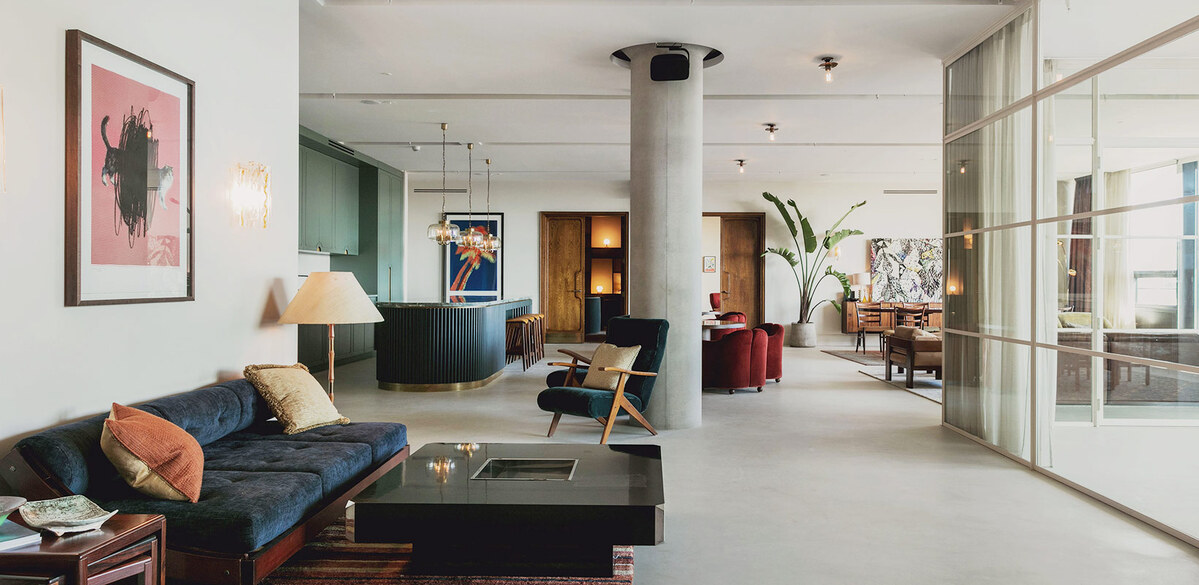
Now that the luxury members’ house has de-listed from the New York Stock Exchange, can it recapture its creative essence while still gunning for growth?
Soho House completed its long-trailed exit from the public markets in January with backing from a consortium of existing and fresh investors, including Morse Ventures, MCR Hotels and film star turned tech investment mogul Ashton Kutcher.
MCR Hotels, the third-largest hotel owner-operator in the US and the owner of London’s BT Tower, paid $9 per share for the acquisition – an 83% premium on its share price prior to investor interest, but decidedly below its original listed price of $14 per share in 2021.
AlixPartners partner Graeme Smith says Soho House’s lukewarm reception on the NYSE as a listed business is unsurprising: “At the moment hospitality and pure consumer businesses are not deeply loved by public markets,” he says. He attributes this to “wider concerns about the cost of living alongside the operational costs of hospitality”.
The £2b move back to private ownership is one which Soho House chief executive Andrew Carnie says would give the private members’ club “the freedom to focus on what Soho House has always been about: looking after our members”. But equally it will allow Soho House to pursue growth on its own terms without the scrutiny of quarterly results calls and prickly analyst research notes.
So does the very same freedom to expand at pace risk diluting the ethos that made Soho House special to begin with? And can a business whose founding raison d’être – to be a hub for young creatives – maintain that essence while scaling up expansion?
Bigger and better?
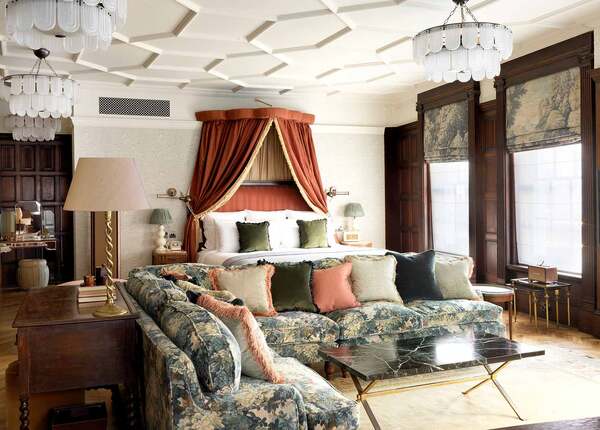
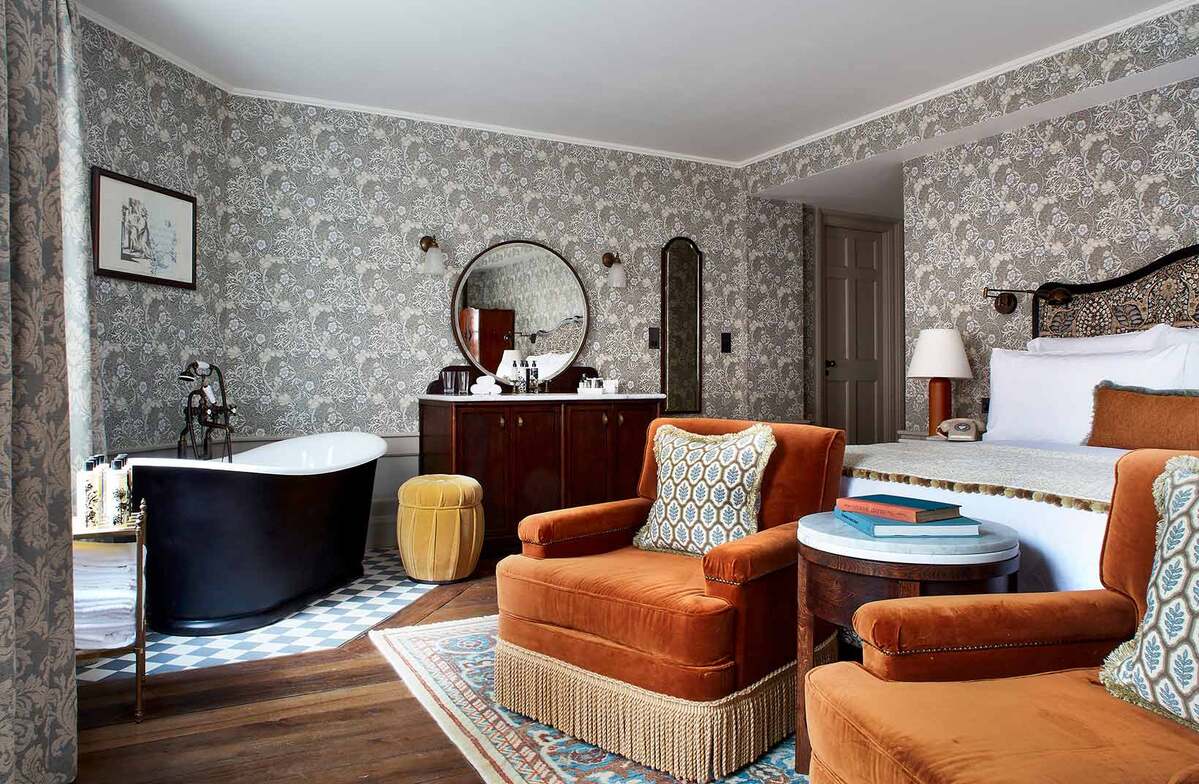
Soho House operates 50 clubs globally, 10 of which are in London, where its opened its first club on Soho’s Greek Street in 1995.
The members’ club, originally viewed as a cultural hub for young creatives, has since faced accusations of losing its zeitgeist spirit and exclusive feel in recent years, as its clientele shifted from the movers and shakers of the creative industries to gilet-sporting City types.
Pete Aitken, head of customer strategy and insights at analyst Kantar, says this challenge – to scale without losing the soul – is not unique to Soho House: “Membership clubs face a particular challenge when it comes to growth,” he says. “A lot of their value for members is built on exclusivity, but businesses hunting down growth typically need more members – and this risks diluting that experience.”
Carnie says the business is “investing in what made Soho House special from the beginning” under its new ownership, but returning to its roots while driving expansion may be a tricky balancing act.
Crowd control
Soho House has received criticism from former and current members in recent years for overcrowding in its establishments, which resulted in several of its properties in London, New York and Los Angeles pausing new membership approvals in 2024.
To offset overcrowding the business also has houses in more secondary and tertiary cities – its long-awaited Manchester outpost opened its doors in November and it has launched in Portland and Chicago in recent years. But in the ongoing consumer cost squeeze, can the young professionals living outside of the most affluent cities – the types who work in the industries Soho House aspires to attract – afford its near £3,000 annual fee?
“If the owners can get under the bonnet of what sets both the brand and its specific houses apart, growth will naturally follow”
Smith believes this won’t be a major barrier: “Soho House has never targeted those who are struggling financially. There is a perception that members’ clubs are a bastion for the uber-wealthy, but if you look at what people pay for a gym membership nowadays, it’s not dissimilar,” he says.
He also argues that Soho House may be well-placed to benefit from the changing social priorities of younger generations, with many “reallocating” what older generations spent on drinking and clubbing to “spaces that are about community, that give the sense of being a part of something”.
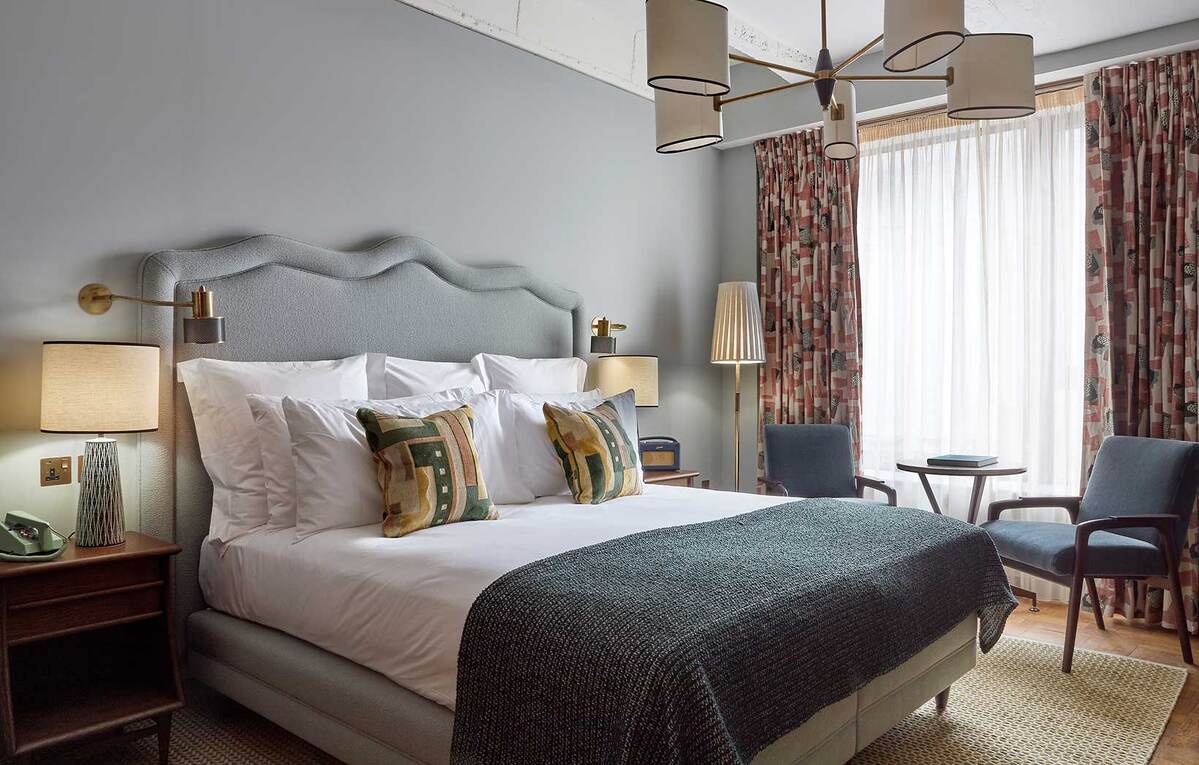
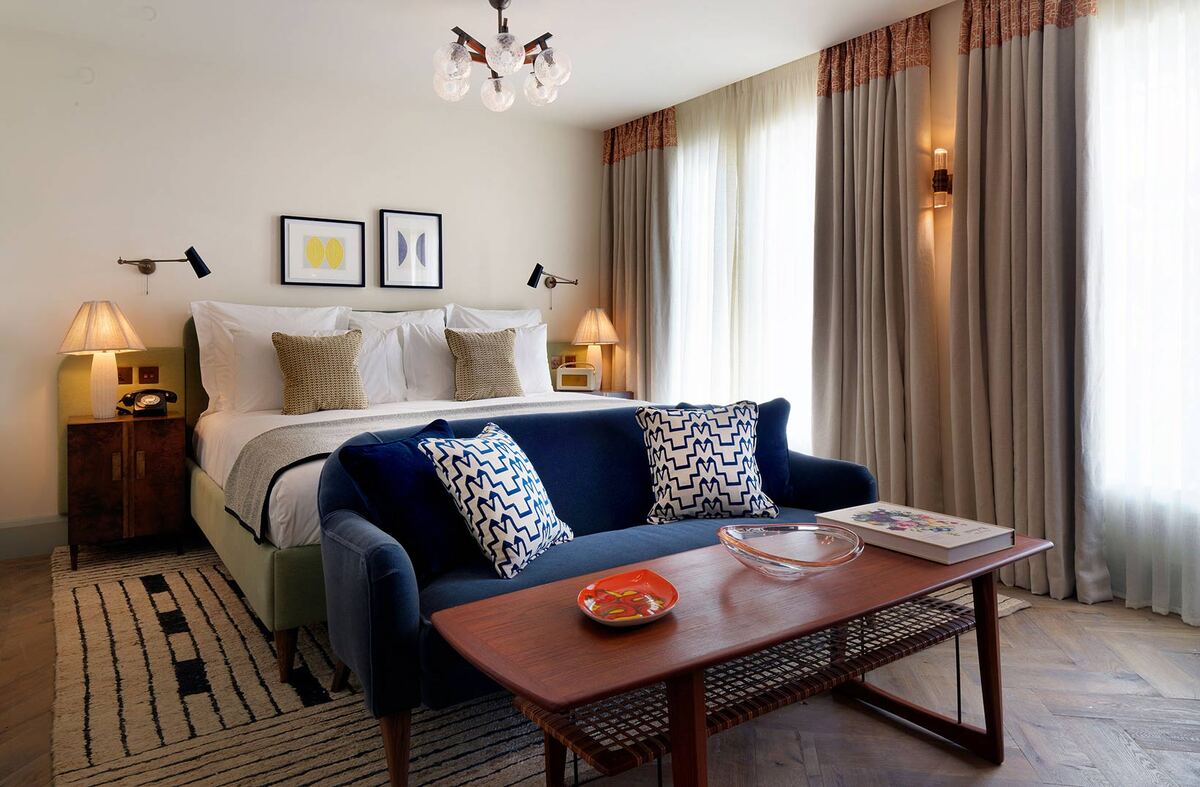
Aitken echoes this view: “Now Soho House is back in private ownership, it has a real opportunity to navigate [recent challenges] by going back to basics and focusing on what its clientele really want from it,” he says.
“That will vary between places – from Manchester to Mayfair to Mexico City – so the business will need to be granular with what makes it relevant to specific communities and what it can offer that doesn’t exist elsewhere. If the owners can get under the bonnet of what sets both the brand and its specific houses apart, growth will naturally follow.”
Off to the races
One area where Soho House could be well-placed to succeed is its House 44 partnership with Formula One. The travelling hospitality suite, which was designed in collaboration with driver Lewis Hamilton and unveiled last year, brings the Soho House experience trackside, complete with rattan furniture, wooden floors and signature cocktails.
House 44 will be shipped and reassembled at many of Formula 1’s major races this year, including Monaco, Abu Dhabi and Las Vegas, and will be open to non-Soho House members who have purchased a three-day race weekend ticket.
It’s a savvy way to engage big spenders from around the globe who are unimpressed by the corporate hospitality suites of big sporting venues – and one that comes with significantly lower overheads for Soho House than a permanent outpost in a particular location.
“Soho House was smart to recognise that to succeed, it has to be a global venture,” says Smith. “In any given city or location it will have a definable demographic it can appeal to while staying true to its ethos.”
It may be a far cry from young creatives rubbing shoulders on Greek Street in the Nineties, but Soho House’s new chapter, along with innovative collaborations, could see it go far.









Most Popular




Webinar: AI - building trust in the workplace
 Wed Feb 18, 2026
The Caterer Supplier Awards
Thu Apr 16, 2026
The Acorn Awards 2026
Sun Jun 7, 2026
The Cateys 2026
Tue Jul 7, 2026


The Caterer provides trusted hospitality news, analysis and trends for restaurants, hotels and catering professionals.

Jacobs Media is a company registered in England and Wales, company number 08713328. 3rd Floor, 52 Grosvenor Gardens, London SW1W 0AU.
© 2026 Jacobs Media
