


 Menu
Menu


Operating profits slide across UK hotels despite occupancy boost
Data from Hotstats and RSM UK showed the sector was hit by increases in employers’ National Insurance contributions and the National Minimum Wage

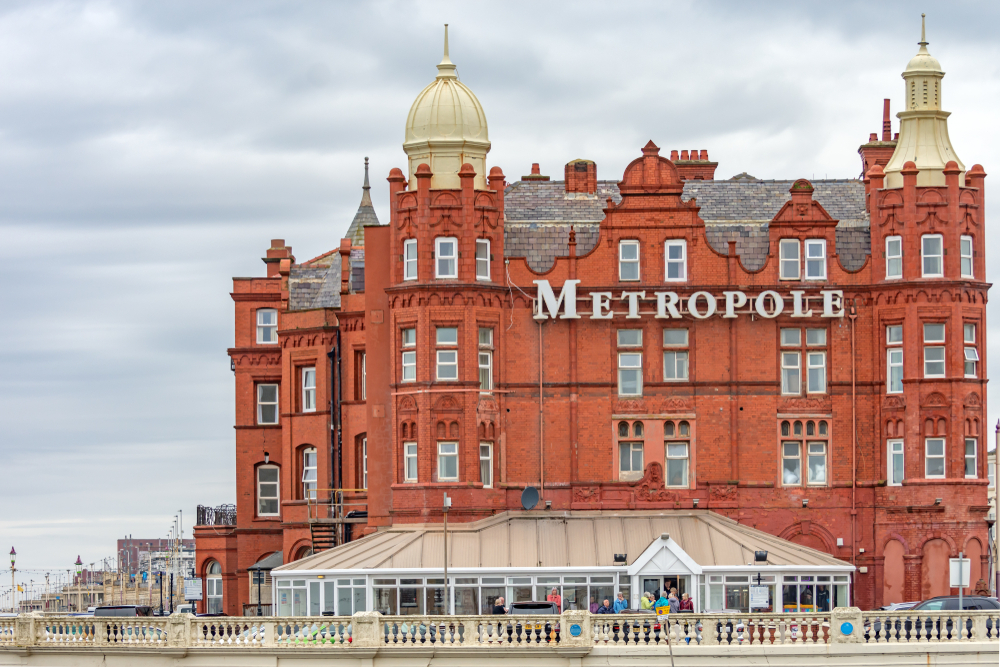
Hotels across the UK reported a dip in gross operating profits amid pressures on employment costs.
According to data from Hotstats and RSM UK, UK hotel payroll as a percentage of revenue rose from 31.6% to 33.3% in April year-on-year, most likely in response to the increases in employers’ National Insurance contributions and the National Minimum Wage.
Average daily rate (ADR) of occupied rooms in the UK also fell from £138.29 to £137.54 over the same period, while London ADR decreased from £198.98 to £196.88 despite occupancy in the capital running high, at 80%.
The boost in occupancy across the UK led to a quiet jump in revenue per available room (revpar), with hotels generally reporting a 3% year-on-year increase to £106.98, while London experienced a 1% uptick to £157.45.
That said, gross operating profits still remained below last year’s levels, with figures falling from 31.8% to 30.1% for the UK and from 37% to 35% in London.
Chris Tate, partner and head of hotels at RSM UK, said: “The hotel sector was hit with a double whammy in April as it battled with a rise in employment costs combined with deflationary pressure on room rates. In fact, accommodation services inflation fell 1.2% year-on-year in April as hoteliers continue to find it challenging to pass on rising costs to price-sensitive consumers. As a result, they are working harder to sell more rooms and passing on costs this way, rather than charging higher rates.
“Encouragingly, consumers still want to get away, with the late Easter and sunny weather boosting occupancy and mitigating some of the cost pressures in April. While the increase in occupancy filtered through to the revpar, the bottom line still took a hit, but it could have been much worse. The challenge is now sustaining this momentum, particularly against the challenging economic and geopolitical backdrop.”
Thomas Pugh, economist at RSM UK, added: “The disruption from US tariffs and subsequent surge in uncertainty last month doesn’t seem to have stopped consumers from spending money. Indeed, we saw stronger retail sales, hotel bookings and pub spending in April. This is probably a reflection of UK households’ real incomes rising strongly over the past few years and, ultimately, that is a bigger driver of UK consumer spending than US trade tariffs.”
Image: Shutterstock
Related content




Most Popular




Best Places to Work in Hospitality 2026
 Wed Feb 4, 2026
Webinar: AI - building trust in the workplace
Wed Feb 18, 2026
The Caterer Supplier Awards
Thu Apr 16, 2026
The Acorn Awards 2026
Sun Jun 7, 2026


The Caterer provides trusted hospitality news, analysis and trends for restaurants, hotels and catering professionals.

Jacobs Media is a company registered in England and Wales, company number 08713328. 3rd Floor, 52 Grosvenor Gardens, London SW1W 0AU.
© 2026 Jacobs Media
