



 Menu
Menu


Trade deal to pave way for more Indian chefs to work in UK
A newly agreed trade deal could pave the way for more Indian chefs to work in UK hospitality businesses.
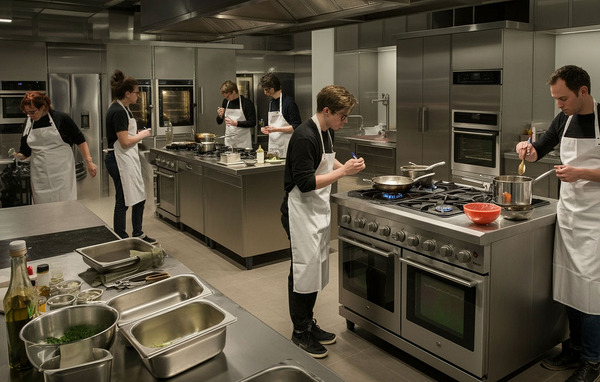
A newly agreed trade deal could pave the way for more Indian chefs to work in UK hospitality businesses.
The free trade agreement between India and the UK is believed to be worth £25.5b a year by 2040.
Precise details of the agreement have yet to be published and it is likely to be a year before it is finalised, but it will include reductions in tariffs and taxes on imports and exports.
And, business secretary Jonathan Reynolds has said it will open up a small amount of additional visas for people with certain skills to work in the UK temporarily.
He said: "It opens up a small number of visas from an existing route for chefs and musicians and yoga teachers, very, very small, about 1,800."
The six or 12 month visas will be available through the Contractual Service Supplier route, which is open to individuals from nations with which the UK has a trade agreement.
To be eligible workers need to have a UK sponsor and have worked for their employer for at least 12 months outside of the UK or have at least a year’s professional experience if self employed.
Currently chefs would need to gain a skilled work visa to enter the UK and officials have stressed that the agreement will “not affect the points-based system”.
The trade agreement also includes a controversial exemption that will mean Indian workers moving their jobs to the UK will only pay taxes in India for three years, with their employers also exempt from National Insurance Contributions.
UK workers moving to India would also continue only to pay tax in their country of origin.
The deal has already been welcomed by producers including William Wemyss, managing director of Wemyss Family Spirits, which counts Kingsbarns Distillery near St Andrews, as well as Darnley’s Gin and Wemyss Malts among its brands.
He said: “India has long been seen as the single most exciting growth market for Scotch. It’s home to the largest population of whisky drinkers in the world, yet until now, punitive tariffs of 150% have held us back.
“For years, whisky producers like us have been locked out of meaningful access despite strong demand and growing appreciation for high-quality spirits.
"The phased reduction of tariffs, from an immediate cut from 150% to 75%, with a target of 40% over the next decade, changes everything. It finally gives us a fairer footing to compete in a market that has been out of reach for too long."









Most Popular






HRC
 Mon Mar 30, 2026
 ExCel London
The Caterer Supplier Awards
Thu Apr 16, 2026
The Caterer People Summit 2026
Thu May 14, 202658VE, London
The Acorn Awards 2026
Sun Jun 7, 2026


The Caterer provides trusted hospitality news, analysis and trends for restaurants, hotels and catering professionals.

Jacobs Media is a company registered in England and Wales, company number 08713328. 3rd Floor, 52 Grosvenor Gardens, London SW1W 0AU.
© 2026 Jacobs Media
