


 Menu
Menu


What's on the menu for 2026? Four trends shaping the future of hospitality
Consumer behaviours, economic pressures, and legislative shifts continue to shape hospitality. Here are four trends set to define the year ahead
1. The GLP-1 effect: small plates, big gains
An estimated 2.5 million people in the UK are using weight loss drugs, according to recent figures obtained by The Telegraph. With the rise of GLP-1s, operators will continue to rethink portion sizes, calorie counts and menu structure. Consumers influenced by these medications are looking for maximum nutritional impact with minimal platefuls – a shift that’s giving rise to smaller, protein and fibre-rich plates with thoughtful ingredients.
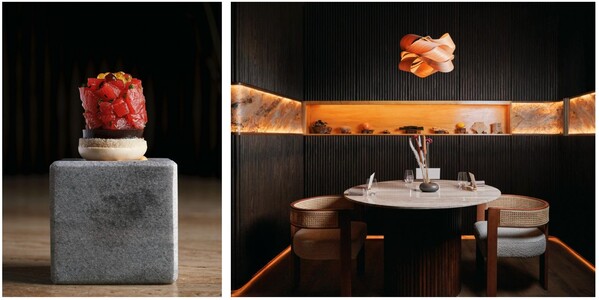
At the same time, luxurious bites, such as those found on Heston Blumenthal’s Mindful Experience menu, will elevate wellbeing-focused dining.
On the high street, kids’ menus could change to ‘smaller appetite’ menus, while sharing will continue to thrive. The Table Cheeseburger at Canal in Westbourne Park is a great example – it’s cut into four, so diners can have a taste.
We expect to see more menus clearly labelling protein content and macros, as well as calorie counts.
2. Healthy convenience and the rise of smart vending
Time-poor consumers and ongoing labour pressures are accelerating demand for nutritious food on the go. London operators such as Farmer J and the Salad Project are setting the pace – offering chef-led, nutritionally balanced meals that cater to commuters, office workers and students alike. Curated salads, protein bowls, grain bowls and roasted veg are dispensed with the speed of fast food. Leon’s return to co-founder ownership is also testament to the continued rise of healthy convenience.
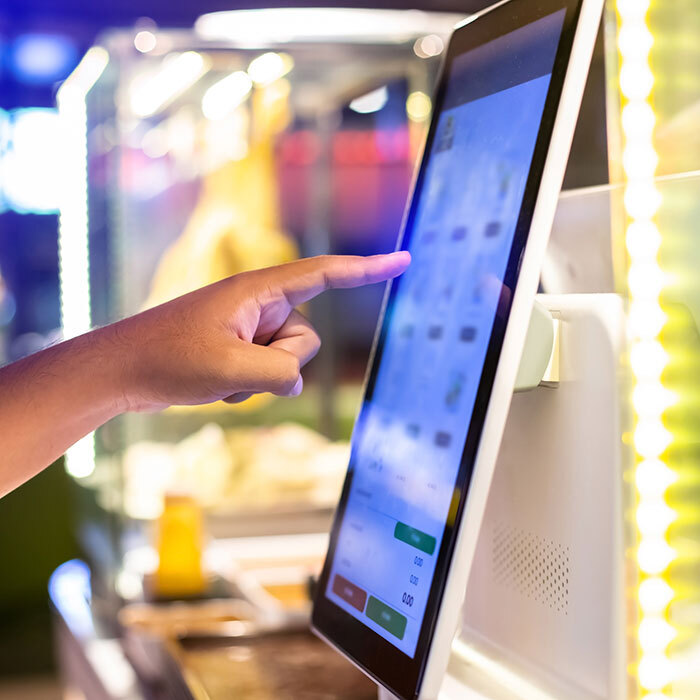
Leaning further into convenience, we anticipate a boom in sophisticated vending and semi-automated grab-and-go formats, where quality isn’t sacrificed for convenience.
Smart vending machines, AI-assisted kiosks and automated pantries are appearing in workplaces, gyms, universities and even hotel lobbies – an evolution driven as much by labour pressures as it is by customer demand for immediacy.
3. Sustainability that’s no longer optional
New waste and recycling rules came into play for larger hospitality businesses this year, while those with fewer than 10 full-time employees will have until March 2027 – which means they will be preparing for change next year. Defra-funded WRAP’s guidance suggests “preventing waste in the first place is always the best option”, therefore sustainability will become more closely aligned with the business plan.
This will prompt a rethink of packaging, menus, sourcing and operations. Expect even tighter supply chains, seasonality, more reuse models, and a shift to low-impact ingredients as well as more mentions of regenerative agriculture. Brands that once saw sustainability as a marketing differentiator now face it as a regulatory requirement, and those ahead of the curve will thrive.
4. Global flavours take centre stage
That sticky Korean fried chicken is a staple on the Wetherspoons menu is testament to global cuisines moving from niche to mainstream.
In 2026, watch for the rise of Malaysian, Brazilian and Colombian food – flavour-forward, vibrant, and rooted in local traditions. Whether it’s smoky feijoada from Brazil, punchy Malaysian rendang, or Colombian cornmeal flatbread arepa stuffed with modern twists, these cuisines offer freshness and depth that aligns with the health-conscious, globally curious diner.
For the latest news from William Murray as well as industry thought leadership, subscribe to our monthly newsletter.





More from The Caterer
Most Popular



Best Places to Work in Hospitality 2026
 Wed Feb 4, 2026
Webinar: AI - building trust in the workplace
Wed Feb 18, 2026
The Caterer Supplier Awards
Thu Apr 16, 2026
The Acorn Awards 2026
Sun Jun 7, 2026


The Caterer provides trusted hospitality news, analysis and trends for restaurants, hotels and catering professionals.

Jacobs Media is a company registered in England and Wales, company number 08713328. 3rd Floor, 52 Grosvenor Gardens, London SW1W 0AU.
© 2026 Jacobs Media
