


 Menu
Menu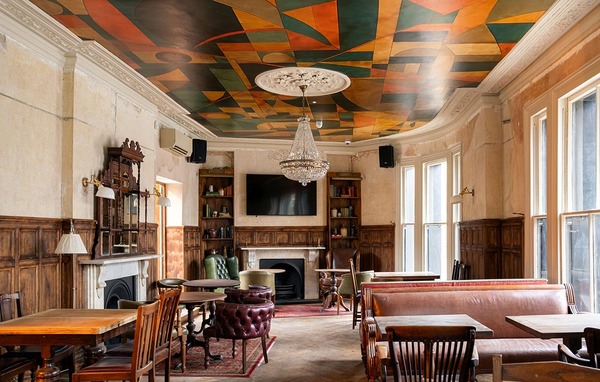


5 things you need to know about balancing sustainability with profitability
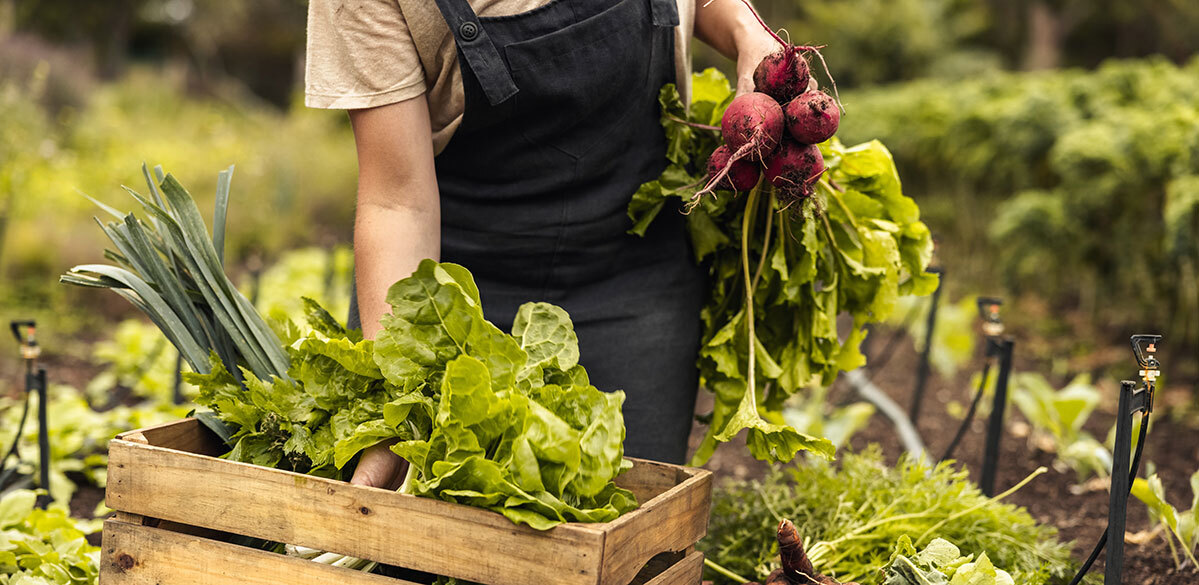
Sustainability can be a long-term investment, such as buying efficient kit, or as simple as changing tomorrow’s menu. The Caterer, in association with Foster Refrigerator, talked to experts to see how they solve the challenge
With financial challenges for operators coming in thick and fast, how are they balancing profitability with the ever-increasing clamour to be sustainable?
The Caterer, in association with Foster Refrigerator, brought together a roundtable of industry experts to discuss how being green can be a business boost for SMEs and independent businesses, rather than a drag.

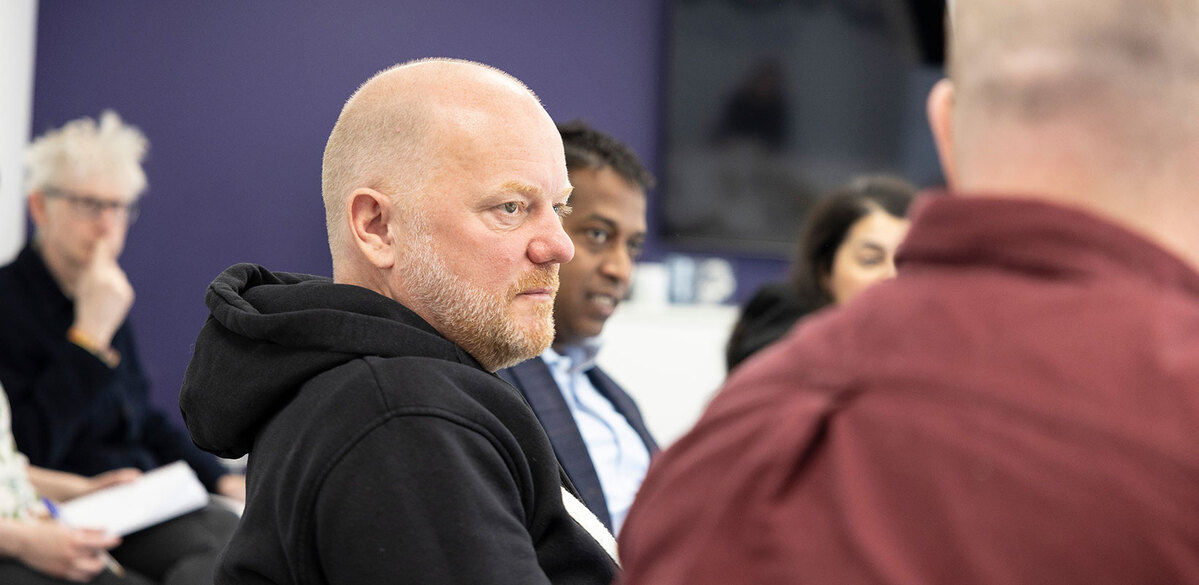
Pictured above from left are the panel: Foster’s senior product manager, Gareth Hunt; James Robson, co-founder of Fallow and Roe restaurants; Ruth Hansom, chef-owner of Hansom; Dipna Anand, chef-owner of Dipna Anand Kitchen & Bar and the forthcoming Brilliant Gastro; Dan Crump, co-owner of the Greyhound at Beaconsfield; Moses Solomon, resident manager of the Royal Automobile Club; and Frank Maguire, head of commercial at Big Penny Social and Flukes, who all shared their experiences of being sustainable and successful.
Here are five main points from the discussion.
1. Cutting waste is half the battle
An obvious route to boosting profitability is to reduce waste. For Hansom, the introduction of tasting menus had the upside of reducing waste, and because she could so much of the prep ahead of time, she could avoid the cost of employing another chef at her North Yorkshire restaurant.
Robson says he maximises the value of produce and reduces waste by buying direct from farmers and using the whole animal. “We also do a lot of volume and can change the menu on a dime,” he says.


The driver for Solomon is to reduce waste rather than cut costs, and he is using technology to help him on the journey: “We’re using an artificial intelligence system with cameras to scan food waste on the plates that come back to the kitchen. We can then change portion sizes and be more creative with what we put on the plate. It’s being rolled out to our two restaurants, at Pall Mall in London and Woodcote Park in Surrey.”
For Maguire, sustainability choices have revolved around sourcing for F&B, such as buying a house gin that is packaged in pouches, and having a focus on draught beers rather than bottles and cans.
Waste can also be reduced through buying high-quality refrigeration, according to Hunt: “We can get the best shelf-life for food. There are nuances in chilling and its uniformity, and a premium offering really helps hold food at the right temperature to reduce waste.”
2. Box-ticking isn’t the whole story
There can be a perception that sustainability is about operating to a level of perfection, but this is not reality and organisations will inevitably fall down in some areas of their operations. The industry can fall into the trap of being hide-bound by box-ticking, according to Robson, who says sustainability is instead predominantly about common sense.
He cites blue roll as a bête noire. He said he has battled councils who insist he uses it in his kitchens, whereas his preference is to adopt the more sustainable practice of towels that can be laundered and re-used.
Crump agrees that abandoning blue roll makes common sense, but he has also faced a “fuming” council over their non-use in his kitchen when he deems them very wasteful – he added that his team can go through an incredible 11 rolls on a full clean-down.

3. Newer technology often equals reduced energy
Costs can often be cut through the use of more modern, energy-efficient kitchen equipment that delivers both sustainability and profitability. Hunt says refrigeration equipment is notable for the fact that it is never turned off and will be operating non-stop for the full seven to 10 years of its lifetime in service.
One big move towards efficiency involves the shift from gas to electric induction equipment. Hansom made the move and is reaping the benefits: “We got rid of gas and have gone over to induction to save costs, but it’s been a win-win [with sustainability too]. We were unsure at first, but we’ve also found the speed to cook has improved, it can be turned off more easily and less time is spent cleaning it down every night.”
Anand has reservations about the switch because much of her Indian cuisine traditionally uses gas, but she is hopeful it will prove to be the right move for both sustainability and profitability reasons. “Induction hobs are more expensive to buy than gas, but we’re looking at the long-run. It will be more user-friendly and we’ll save on long-term costs. I hope in six months’ time we’ll say it’s the best thing we ever did,” she says.
4. Go green for happier chefs
The kitchen garden at the Royal Automobile Club’s Woodcote Park site not only supplies sustainable produce, but because employees can get hands-on in the kitchen garden, it is proving to be a boost to their wellbeing. “The team members love it, and because I believe wellbeing is included in sustainability, we invest in it,” Solomon says.
A kitchen garden is also proving a boon for Crump. “The garden has been huge for us. The younger chefs are passionate about using the produce for canapés and amuse bouches. It’s sustainable and we’ve saved hundreds of pounds on micro-herbs. We’ve taken three people from the kitchen and three from front of house and given them the garden rota. It’s been educational.”
5. Think long term
While many sustainable actions can deliver an immediate boost to profitability, the reality is that many initiatives are long-term moves that will reap rewards over a period of time.
Moses says that typically all areas of the Royal Automobile Club premises will be refurbished approximately every 12 years and decisions are based on quality, which is a sustainable move, but one that means a long-term payback.
Investing in kitchen equipment is exactly the same. Hunt says Foster Refrigerator is a premium brand with a high price point, but because it is more energy efficient the investment pays back over the long-term: “It’s a total cost of ownership model, with the payback in two to five years,” he said.
From the sponsor
Foster Refrigerator was proud to collaborate with The Caterer to create a platform for discussion on the balance between profit and sustainability in our industry.
As the UK’s leading commercial refrigeration manufacturer, Foster designs and supplies a wide range of innovative and energy efficient fridges and freezers.
Working with Foster guarantees quality and reliability at highly competitive prices. No matter how large or small your scale of operation, there is a Foster for you.
For more information, visit www.fosterrefrigerator.com
Photo top: Jacob Lund/Shutterstock
All other photography: Hospitality Media





More from The Caterer
Most Popular


Best Places to Work in Hospitality 2026
 Wed Feb 4, 2026
Webinar: AI - building trust in the workplace
Wed Feb 18, 2026
The Caterer Supplier Awards
Thu Apr 16, 2026
The Acorn Awards 2026
Sun Jun 7, 2026


The Caterer provides trusted hospitality news, analysis and trends for restaurants, hotels and catering professionals.

Jacobs Media is a company registered in England and Wales, company number 08713328. 3rd Floor, 52 Grosvenor Gardens, London SW1W 0AU.
© 2026 Jacobs Media
