



 Menu
Menu


How to incorporate still wine into cocktails
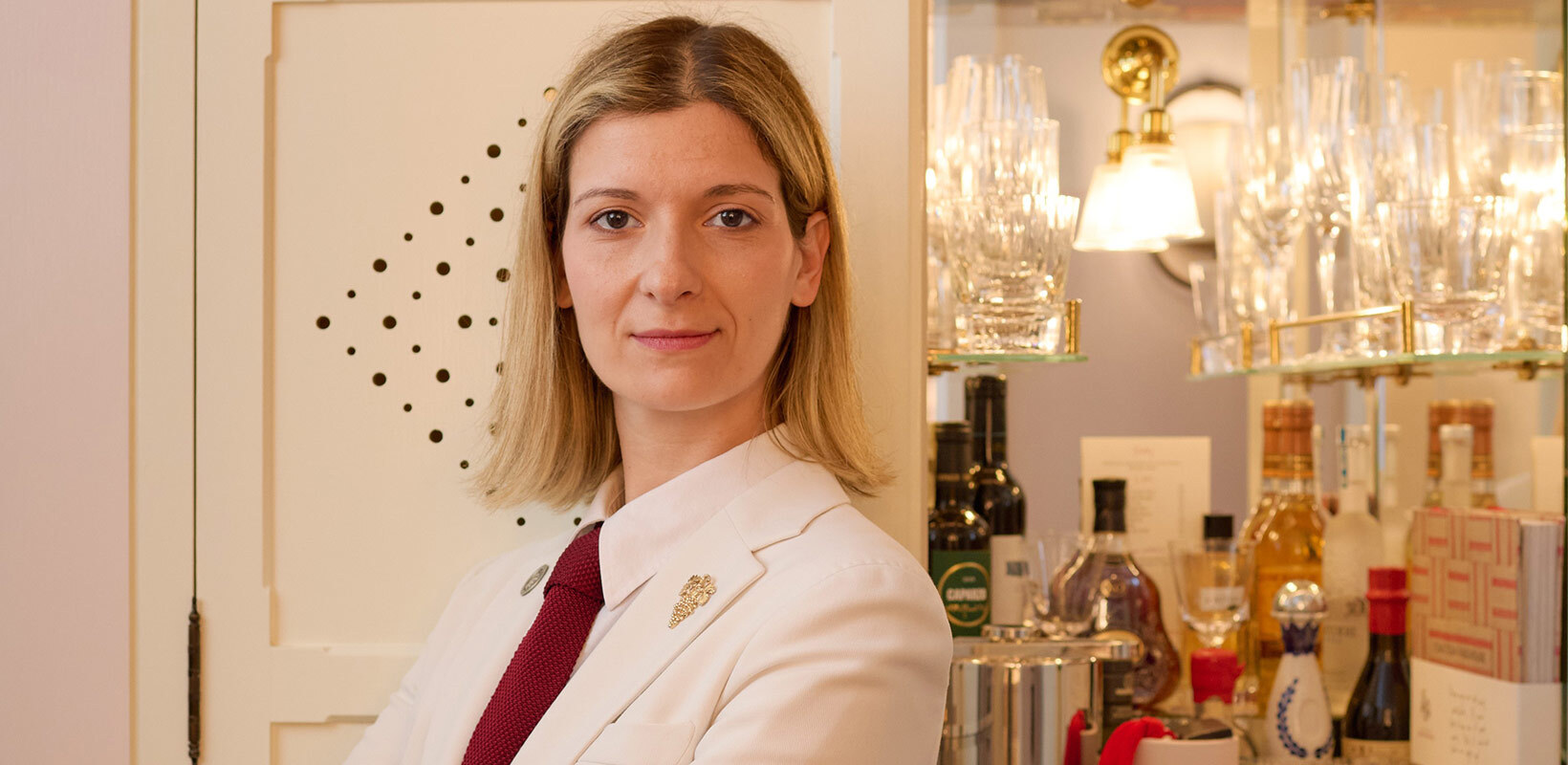
Widen your cocktail menu – and use up less-popular bottles – with wine versions of best-selling cocktails, says new Drinks Doctor Beatrice Bessi of Chiltern Firehouse
In drinks programmes, experimentation matters and rules are meant to be broken. Some feel offended by the idea of using wines in a cocktail recipe, but I’m not one of them – wine doesn’t have to stay trapped in a glass.
Cocktails are often easier for staff to sell than wine – they feel fun and familiar to guests – and this can be applied to their wine equivalent. For example, try a Mojito-style cocktail that uses retsina wine instead of rum – it’s an easy swap that matches the original core of a mojito, the personalised suggestion creates conversation and engages guests, and so upgrades the service.
Use different styles of wine for different cocktails: wines with high acidity can work very well in refreshing drinks, those with an aromatic profile can expand the flavour array and soften a drink, while oxidative or fortified styles can widen the savoury aspect of the cocktail and add a umami flavour.
When deciding which wine cocktails to add your drinks list, you can follow seasonal menus, focusing on the core flavours that reflect each time of year. Placement on the menu also matters. Wine cocktails work well on the apéritif section within their own section or on a pairing menu, where the flavours can be connected with the flavours of a dish.
When selecting the wine for cocktails, the team can also consider the bottles that are not moving as quickly. Using up slow-moving stock helps manage inventory and improves beverage margins, which is perfect for those looking to tighten the wine budget.
Wine cocktails also suit guests seeking lower-alcohol options, aligning with the growing interest into moderate drinking. For example, a Martini-style cocktail using sherry fino instead of gin speaks to the same Martini-loving guests, offering up an intense palate with a velvety texture. Meanwhile, its savoury flavour works well with food pairings.
Wine in cocktails is not about replacing tradition, but about expanding it. For venues willing to experiment, it offers creativity, flexibility and clear commercial value.
Beatrice Bessi is head sommelier at Chiltern Firehouse in Marylebone, London
Do you have a question for one of the Drinks Doctors? Send your query to drinks@thecaterer.com









More from The Caterer

Most Popular





The Acorn Awards 2026
 Sun Jun 7, 2026
The Cateys 2026
Tue Jul 7, 2026
Natural & Organic Food Show
Wed Sep 16, 2026 ExCel London
Artisan Food & Drink Show
Wed Sep 16, 2026ExCel London


The Caterer provides trusted hospitality news, analysis and trends for restaurants, hotels and catering professionals.

Jacobs Media is a company registered in England and Wales, company number 08713328. 3rd Floor, 52 Grosvenor Gardens, London SW1W 0AU.
© 2026 Jacobs Media
