


 Menu
Menu


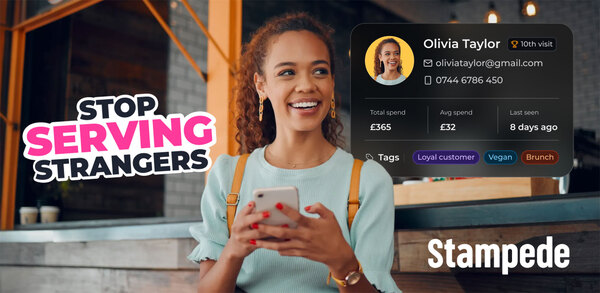
Stop serving strangers: Why unified guest data is hospitality’s real growth lever
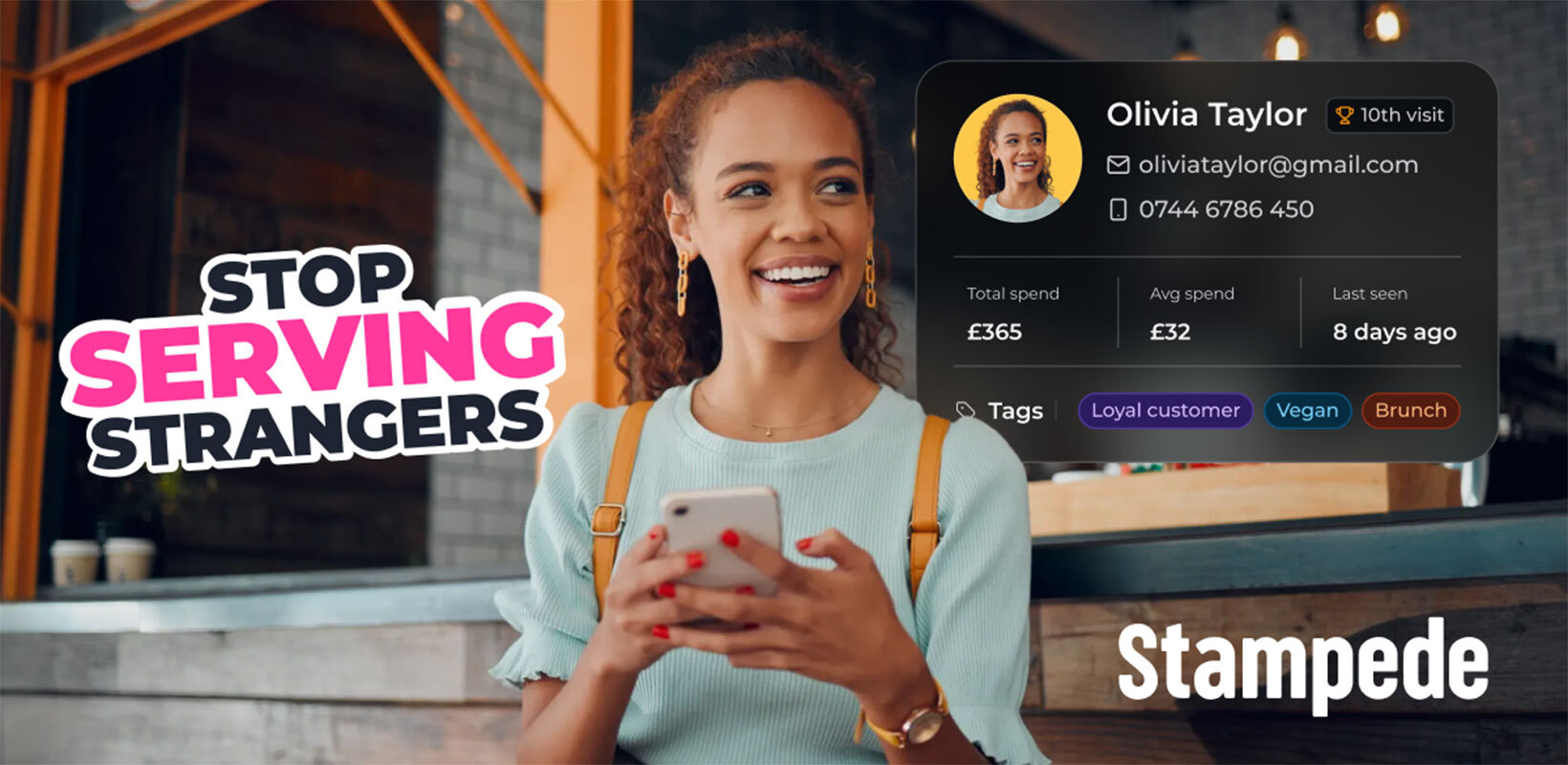
When systems don’t talk to each other, even loyal guests can feel invisible
Diversification has become a defining theme in UK hospitality. Faced with sustained margin pressure and shifting guest behaviour, operators are expanding their offers to drive frequency and spend-per-head.
But as Stampede has observed when working with hospitality groups across the UK, diversification without unified guest insight risks becoming expensive experimentation rather than sustainable growth.
Pubs are extending into daytime coffee and coworking. Restaurants are introducing premium menus and retail lines. Hotels are monetising underused space through memberships and flexible day-use rooms. The ambition is clear: build resilience and increase lifetime value.
Without connected data, those ambitions are harder to realise.
From instinct to intelligence
Hospitality has always relied on instinct. Operators know their regulars and understand their local market. That intuition remains valuable – but in today’s trading climate, it must be reinforced by evidence.
The data already exists. Booking systems reveal visit patterns. EPoS platforms track spend. Loyalty programmes monitor frequency. Marketing systems capture engagement.
The challenge is fragmentation. In many businesses, these systems operate independently. Data sits in silos, making it difficult to build a coherent picture of who a guest is, how they behave across sites and what truly drives value.
Without that joined-up view, decisions rely on partial insight. A new concept may increase sales in isolation, but does it strengthen long-term loyalty? A promotion may drive footfall, but is it generating incremental growth or simply shifting existing demand?
Unified guest data turns diversification from guesswork into commercially informed strategy.
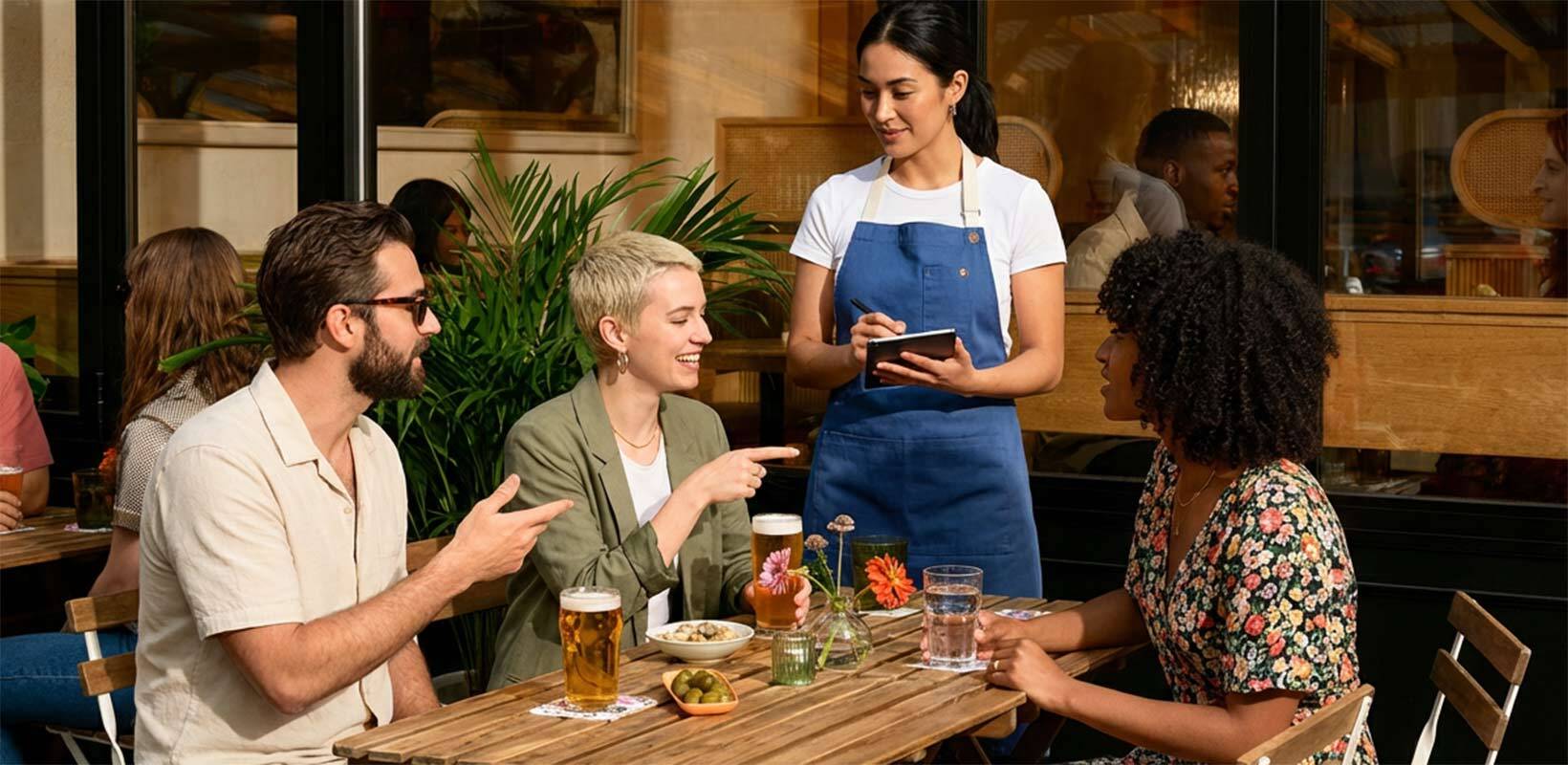
The hidden cost of disconnected systems
Fragmented technology also erodes continuity.
A guest may visit regularly, spend consistently and engage with marketing – yet still appear anonymous at key moments. Front of house teams lack context. Marketing defaults to broad messaging. Leadership struggles to identify high-value segments with clarity.
The result is a paradox. Hospitality prides itself on personal service, yet disconnected systems prevent that service from scaling. Repeat guests can end up being treated like first-timers – not through lack of care, but through lack of visibility.
This is where the idea of “Stop Serving Strangers” resonates. It captures a structural issue: when systems don’t talk to each other, even loyal guests can feel invisible.
Turning data into growth
When guest data is unified, diversification becomes more precise. Operators can identify under-monetised segments, understand cross-site behaviour and focus investment where it genuinely increases lifetime value.
Artificial intelligence is increasingly part of this evolution – but AI is only as effective as the foundation beneath it. When guest information is fragmented, analysis produces fragmented conclusions. When data sits within one architecture, AI can identify patterns, anticipate behaviour and surface commercially meaningful opportunities across the entire guest journey.
In this context, growth comes less from adding more offers and more from strengthening relationships. Frequency increases through relevance. Spend grows through understanding. Loyalty deepens through recognition.
At a time when acquisition costs remain high and consumer loyalty is fragile, expanding value within an existing guest base is often the more sustainable route.
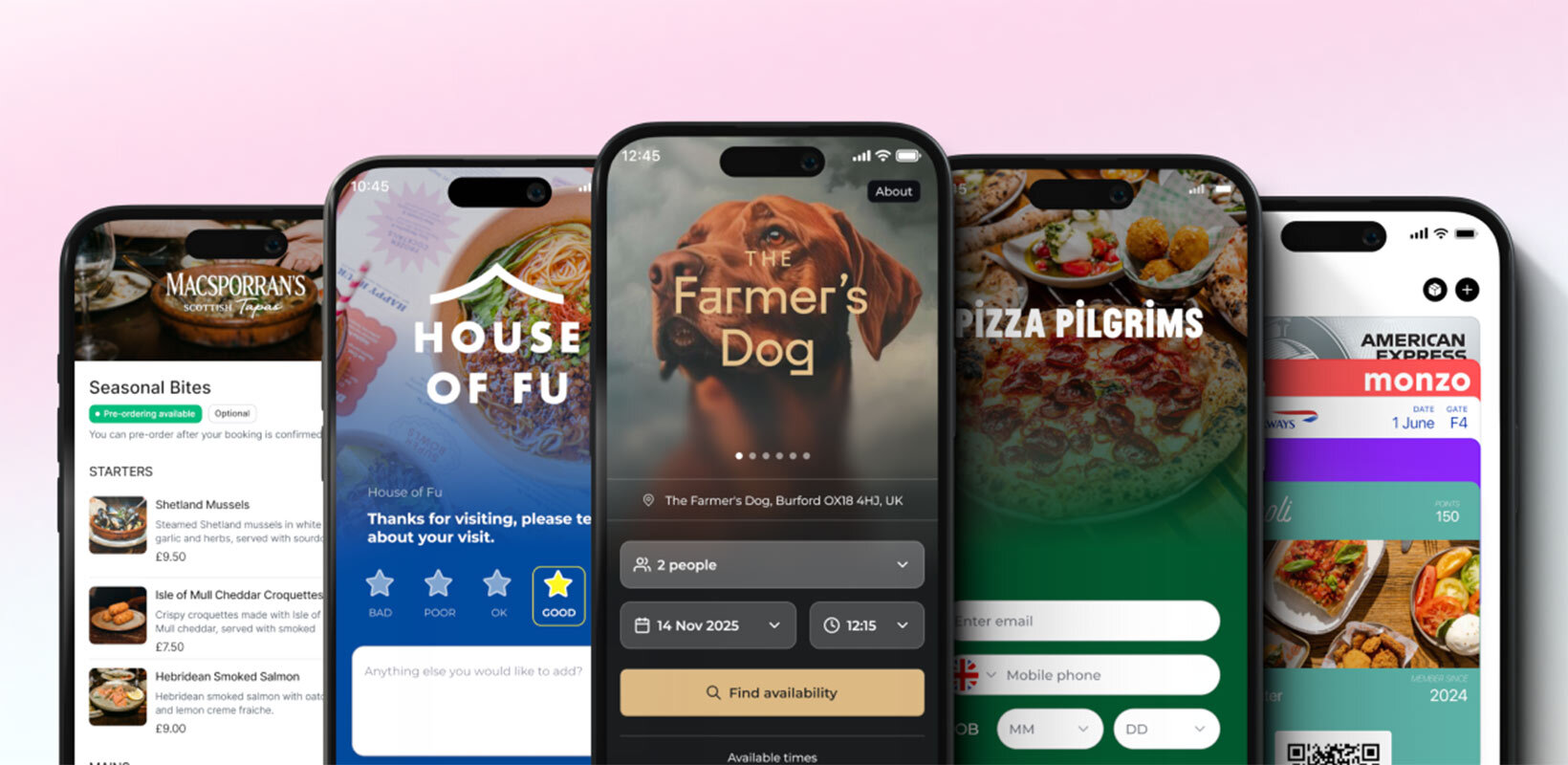
Built unified, not bolted together
Many operators respond to data challenges by layering additional tools onto an already complex stack. Yet more integrations often increase operational burden rather than reduce it.
The alternative is structural. A unified platform – where bookings, payments, loyalty and marketing share a common data architecture – creates a single, trusted view of every guest. It simplifies reporting, aligns teams and enables confident, data-led decision-making.
At Stampede, our platform was designed and built from the ground up as one unified system, not assembled from disparate tools. Every module operates on the same underlying data model and shared guest record. That architectural integrity unlocks more than transparency. It enables meaningful AI-driven insight and commercially focused decisions – without adding complexity behind the scenes.
To learn more about how unified guest intelligence can support sustainable hospitality growth, visit stampede.ai





Most Popular


HRC
 Mon Mar 30, 2026
 ExCel London
The Caterer Supplier Awards
Thu Apr 16, 2026
The Caterer People Summit 2026
Thu May 14, 202658VE, London
The Acorn Awards 2026
Sun Jun 7, 2026


The Caterer provides trusted hospitality news, analysis and trends for restaurants, hotels and catering professionals.

Jacobs Media is a company registered in England and Wales, company number 08713328. 3rd Floor, 52 Grosvenor Gardens, London SW1W 0AU.
© 2026 Jacobs Media
