



 Menu
Menu


‘You need to be brave to cook fish that people don’t know’: Why chefs have the power to put the right fish on menus
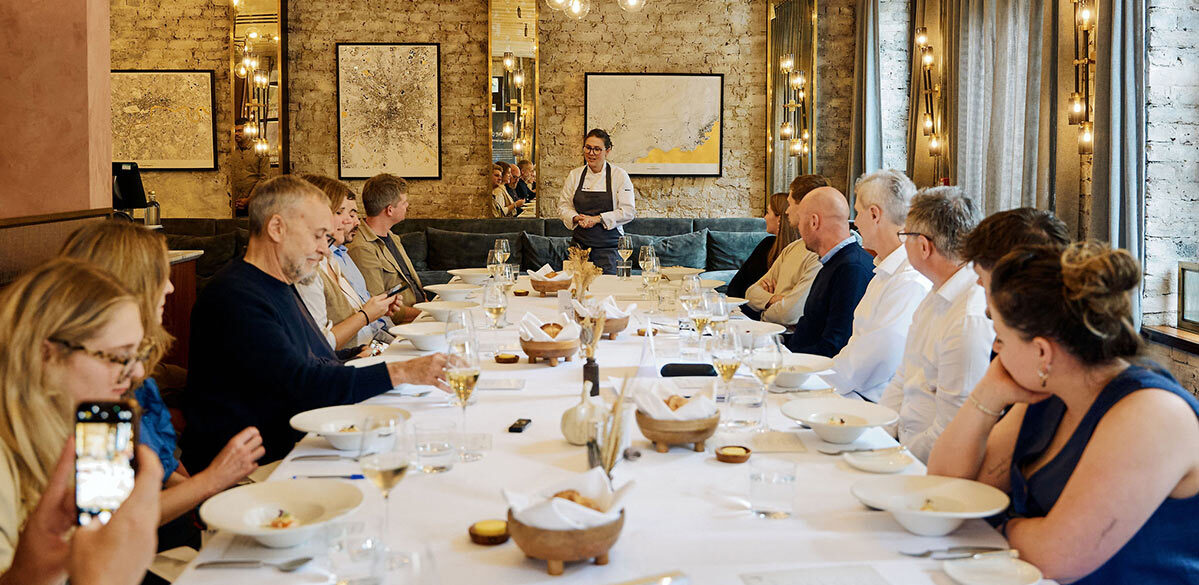
Chefs gathered at a round table to discuss how best to present the range of sustainable seafood on menus, from promoting lesser-known varieties such as saithe to finding the skills to use the whole fish
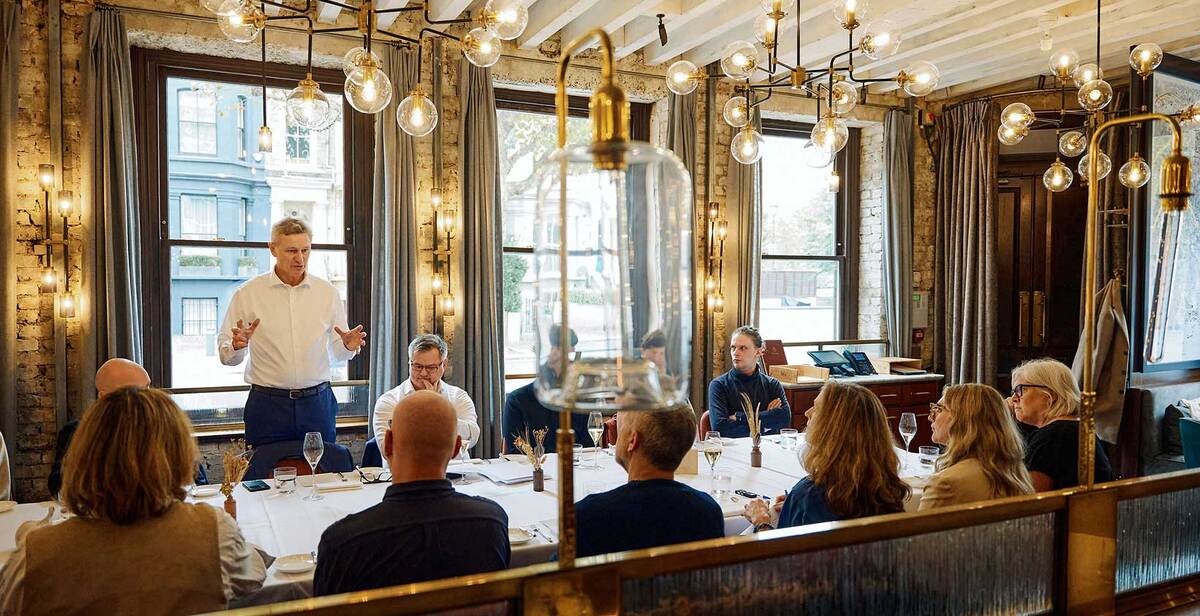
Norwegian Seafood Council UK director Bjørn-Erik Stabell opened the discussion at the round table with a challenge to chefs: “Are you aware of the position you have to influence choices made by consumers – and are you ready to do something about it?”
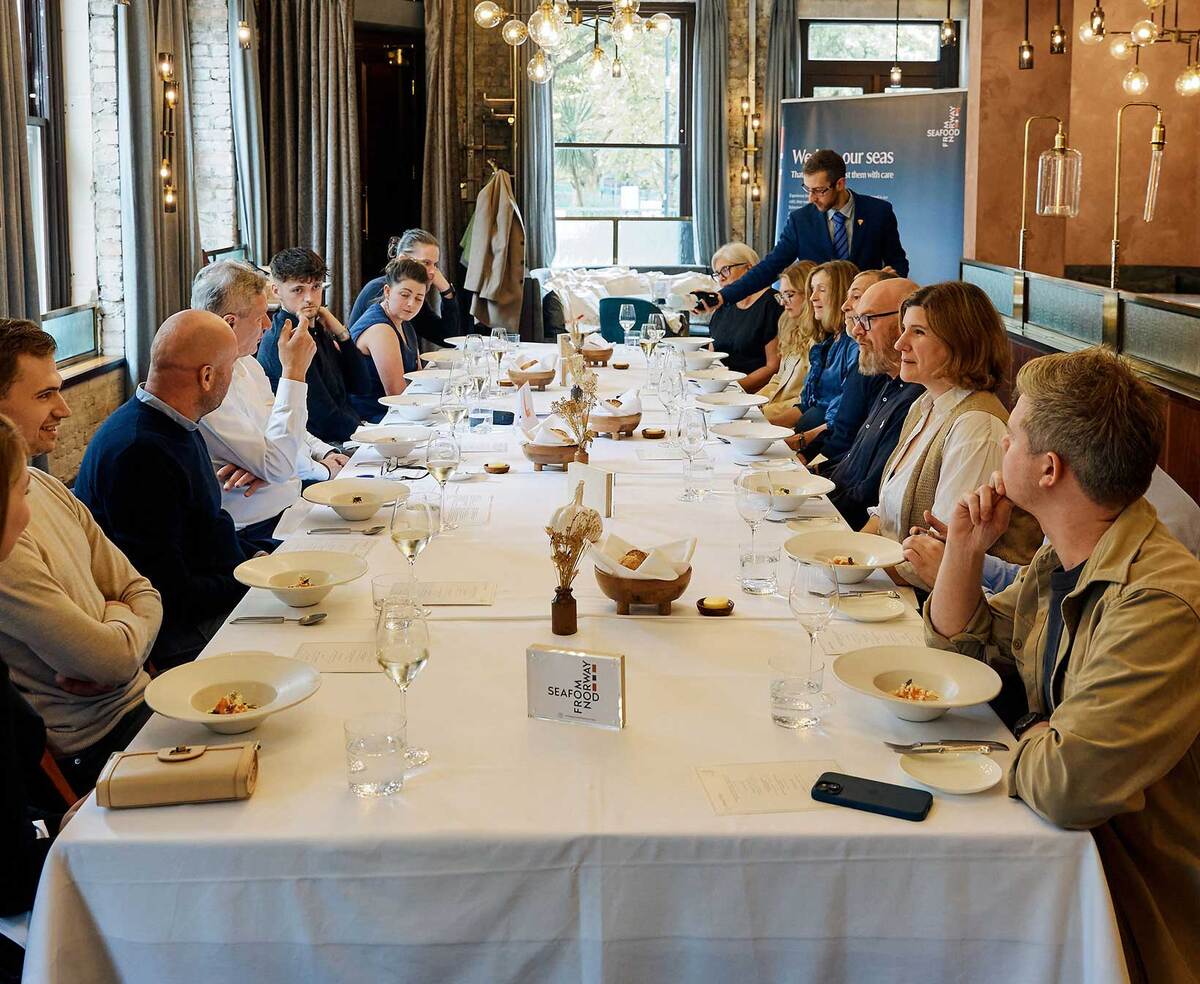
The rallying cry was made at Michelin-starred Caractère restaurant in London’s Notting Hill, held in partnership with Seafood from Norway, where operators including Michel Roux, Simon Hulstone from the Elephant in Torquay and former Ledbury chef April Lily Partridge, along with Norway’s ambassador to the UK, gathered to discuss how they planned to promote sustainability on their menus while also delighting diners.
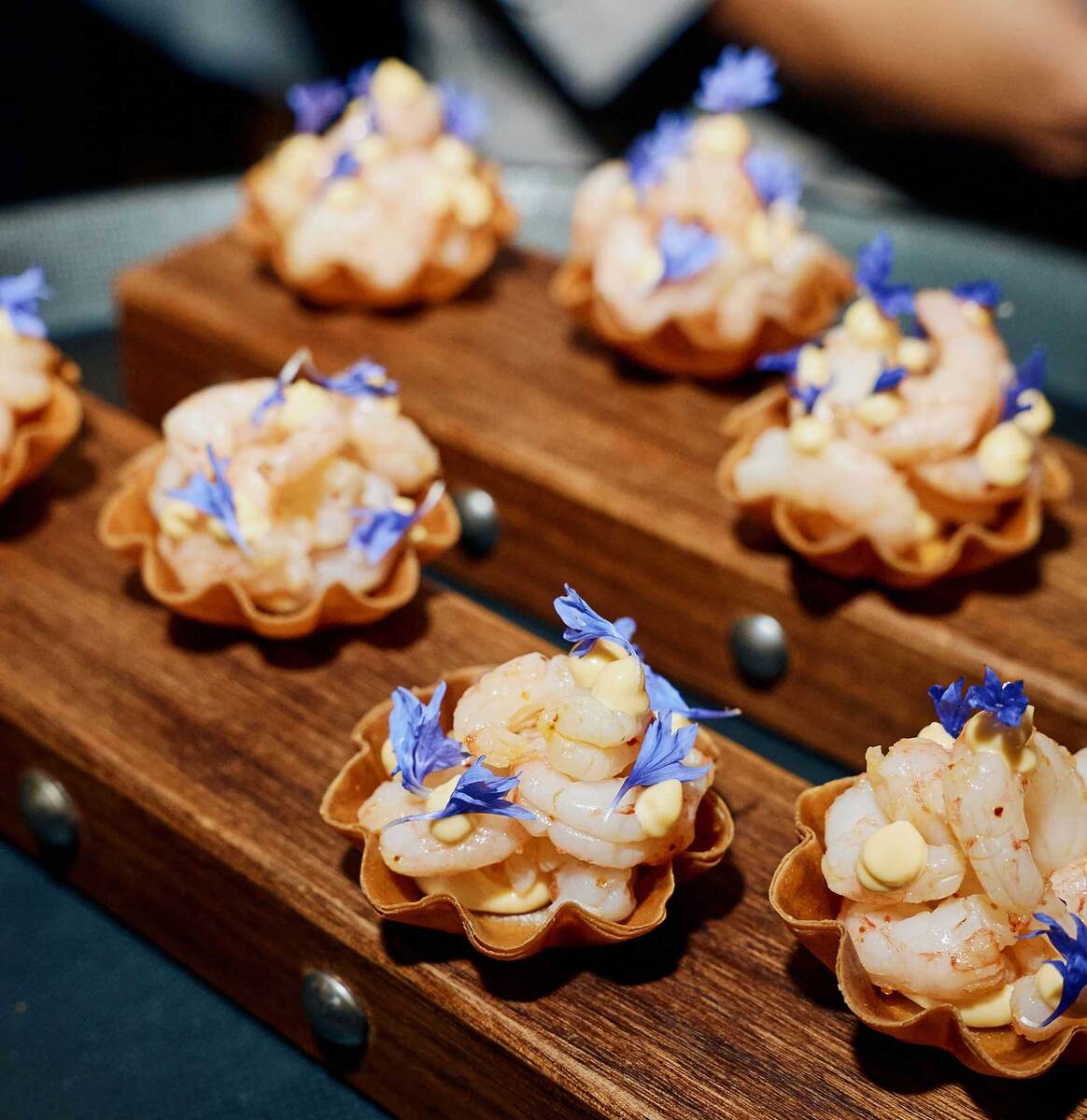
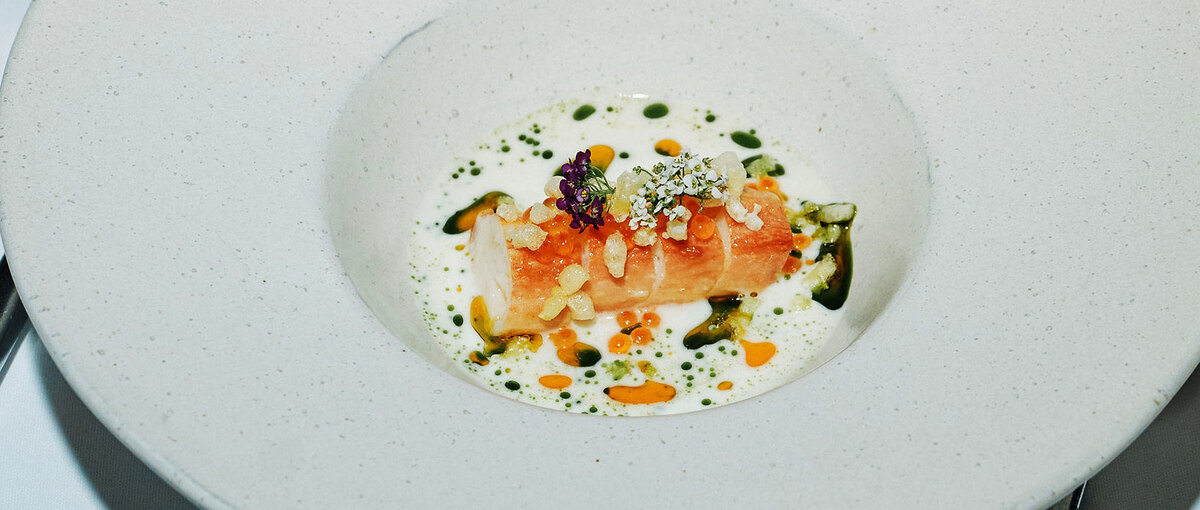
Up for discussion between delicious seafood dishes created by Caractère’s chef-patrons Emily Roux and Diego Ferrari were topics such as the untapped potential of using lesser-known fish species on menus, the challenges of introducing them and what responsibility chefs have in influencing sustainable choices.
The panel
- Tom Booton, chef
- Bojana Dos Santos, market advisor, Norwegian Seafood Council
- Keren Fry, junior sous chef, Acleaf, Plymouth, Devon
- Tore Hattrem, Norwegian ambassador
- Simon Hulstone, chef-proprietor, the Elephant in Torquay, and Seafood from Norway ambassador
- Lisa Jenkins, chief executive, Royal Academy of Culinary Arts
- April Lily Partridge, head of development, Opus Provisions, London
- Stefan Pini, head chef, Fishmongers’ Hall, London
- Sam Reynolds, head chef, the Royal Oak, Whatcote, Warwickshire
- Michel Roux, chef and Seafood from Norway ambassador
- Jonny Smith, senior chef de partie, Interlude (Young National Chef of the Year 2025)
- Bjørn-Erik Stabell, UK director, Norwegian Seafood Council
- James Stagg, editor, The Caterer
- Rosie Welch, co-founder and chef, From the Woods
- Stan Wróblicki, head chef, Bar Valette, London
With Norway the top exporter of seafood to the UK, with an estimated 20% share of the market in 2023, Stabell underlined the sustainability benefits of serving fish rather than meat. Quoting PWC statistics, he said 50% of global habitable land is used for agriculture, accounting for 26% of greenhouse gas emissions. He added that some 70% of global freshwater is used for agriculture and that it takes 15,000 litres of water to produce 1kg of beef – a sobering thought set against UN predictions that demand for water will exceed supply by 40% in 2030.
Given the over-stretched land-based resources, Stabell said the ocean offers a sustainable solution. Just five species – cod, haddock, prawns, tuna and salmon – account for 80% of fish consumption in the UK, yet overall seafood accounts for only 2% of calorie intake and 15% of protein intake (according to the Food and Agriculture Organization), meaning there is huge opportunity to serve lesser-known species of fish.
For April Lily Partridge it was a no-brainer: “Younger generations care about how our choices impact future generations. For me, sustainability is about making a choice that helps the people behind me and leaves the place better than I found it,” she said.
In terms of sustainable practices, all the chefs agreed they had a role in promoting nose-to-tail consumption, creating dishes from the whole fish to drive efficiency in their kitchens and offer a better, less costly experience for guests. But they also recognised that many younger chefs are no longer taught how to handle whole raw fish.
“Using fish in the right way needs to not be trendy, but to be normal”
“Many restaurants buy filleted or portioned fish to save staffing costs, so young chefs no longer have that skill or know how to use the whole fish,” said Michel Roux. “So, buy the whole fish, scrape the bones, make a mousse, make stock, roast the heads – you can use everything and have zero waste. But you need to pass those skills down.”
Partridge agreed: “Using fish in the right way needs to not be trendy, but to be normal,” she said. “It is important that chefs teach their brigade how to use the whole animal as they will move between restaurants [and take that knowledge with them].”
Take care with words
Mindful that resources are not limitless, the use of seasonal produce was seen as a further solution to being both sustainable and cost-effective. As chef Tom Booton said: “We are running businesses and need to make money. Similarly, customers are looking at price.”
So, what does sustainability mean to a chef and is it the same for their guests? There was consensus that labelling a menu as “sustainable” is meaningless to the guest without providing details about provenance – and that needs to be understood and passed on by the chef or waiter.
“The term ‘sustainability’ is overused,” said Hulstone. “If the animal has travelled 400 miles to get to your restaurant, it is not sustainable. Similarly, local produce might not be good quality. I use the word “sensible”. It is sensible to save money by using everything. Sustainability is a hard word because you could be throwing away the bones, wasting cuts or using 12 hours of gas, so there are a lot of things around sustainability that are not sustainable.”
The talk moved on to the environmental benefits of reducing reliance on the top five fish species, though encouraging chefs and consumers to embrace alternative species was seen as a challenge.
“The tradition of how things are done is strong in the UK and we need to overcome that. The chef is part of the decision-making,” said Stabell.
However, From the Woods co-founder Rosie Welch pointed out: “You need to be brave to cook fish that people don’t know and put it on the menu.”
Even so, once-less-desirable fish such as pollock, monkfish and gurnard have gradually been introduced onto British menus.
“Ten years ago, pollock wasn’t popular, but I used it at Le Gavroche and, if treated in the right way, it is a great fish,” said Michel Roux.
One recent superstar is skrei, a premium Norwegian Arctic cod with pearly-white flesh that flakes beautifully and is now a seasonal delicacy across Britain’s fine-dining restaurants, thanks to a successful campaign in 2012.
“Everyone was sharing skrei quality assurance tags on social media,” said Hulstone. “People looked forward to it in season from January to April, so the story worked well. Skrei is cheaper in full season and there is so much of it, so it is a perfect fish for the price.”
Stabell agreed: “Skrei has been a fantastic success and is loved by chefs all over the world,” he said. “Spain takes 50% of quality label skrei, which is more expensive than cod, and it also goes to France, Sweden and Qatar.”
What’s in a name?
The Norwegian Seafood Council believes saithe – also known as coley or coalfish – could become popular in the UK, but its grey-tinged flesh makes it potentially harder to promote.
“You have to address the fact it is grey, but that it tastes good,” Norwegian ambassador Tore Hattrem said. “Saithe is not a bottom-feeder like cod. Saithe swims near the surface, so it is fit. When caught on the hook it is a fighter – and it is found all along the coast, so it doesn’t belong to one place – it is vibrant, youthful, powerful fish.”
“It’s about creating a story,” added Michel. “Saithe sounds lovely but coley less so. In France, it is called lieu noir or colin noir, which sounds sexy. It is a big seller as it offers nice, juicy fillets. Maybe the younger generation haven’t got preconceived ideas because it is a new product, and they are often looking to try something new. Older chefs have preconceived ideas about ‘coley’ – but it was the same with monkfish for a long time.”
Social media was seen as a powerful marketing tool that could be used to share techniques with younger chefs on filleting and cooking whole fish and creating a buzz around alternative fish species.
Hulstone also suggested tasting menus presented an opportunity to try new protein: “They are going out of fashion, but they are a great place to put something that diners haven’t tried before without giving them the choice.”

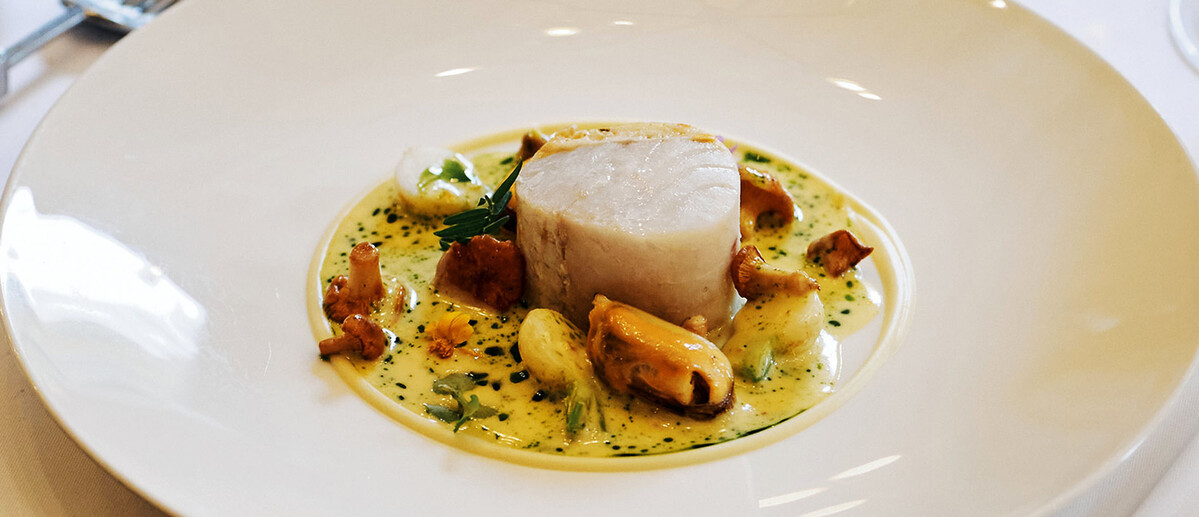
The moment of truth came after the gathering had enjoyed the main course when Emily revealed that the well-received “Norwegian whitefish” served with mussels, girolles and turnips was in fact saithe, baked in salt. It was generally agreed that while the colour of saithe could be an issue, it flakes well and was a good alternative to cod and haddock.
“Coley or saithe has a bad reputation in the UK,” said Michel. “But some 10 to 20 years ago gurnard was poo-pooed as catfood-quality and we love it now – and it is considerably cheaper than cod.”
Stabell was impressed that the young chefs in the round table discussion were aware of their role in influencing not only how consumers perceive food, but also their understanding of sustainability.
“That left an impression on me,” he said after the event. “It became clear that there are significant opportunities to strengthen the dialogue with chefs and enhance their insight into how we in Norway approach sustainability. This could help them build businesses rooted in sustainable seafood. The round table also reinforced my belief that saithe has the potential to become a key species in the UK seafood category over the coming years – not just in fine dining, but more broadly across the market.”
Looking after our oceans
As the biggest seafood nation, Stabell pointed out that Norway is deeply invested in sustainable ocean management and its seafood management is based on a robust model consisting of science, legislation and control.
The fisheries management process starts in spring with scientists assessing fish stocks, which feeds into government advice on setting quotas for the upcoming year.
The fishermen’s sales organisation rigorously controls all catches and seafood sales to ensure compliance with these quotas. Additionally, the fish police (Kystvakten) and the Directorate of Fisheries oversee all fishing and sales activities.
“This comprehensive approach has earned Norway a stellar reputation for sustainable fish stock management, with the Norwegian Barents Sea cod being recognised as one of the best-managed cod stocks worldwide,” said Stabell.

Michel Roux
Six predictions from guests for the future of foodservice
- More micro-celebrations
- Preference for smaller portions
- Using AI to match ingredients with recipes
- Decline of veganism, which has already plateaued (it accounts for 6%-7% at large events such as Wimbledon, Epsom and Newmarket)
- Tasting menus becoming increasingly less fashionable thanks to the high cost of living




More from The Caterer
Most Popular



Best Places to Work in Hospitality 2026
 Wed Feb 4, 2026
Webinar: AI - building trust in the workplace
Wed Feb 18, 2026
The Caterer Supplier Awards
Thu Apr 16, 2026
The Acorn Awards 2026
Sun Jun 7, 2026


The Caterer provides trusted hospitality news, analysis and trends for restaurants, hotels and catering professionals.

Jacobs Media is a company registered in England and Wales, company number 08713328. 3rd Floor, 52 Grosvenor Gardens, London SW1W 0AU.
© 2026 Jacobs Media
