



 Menu
Menu


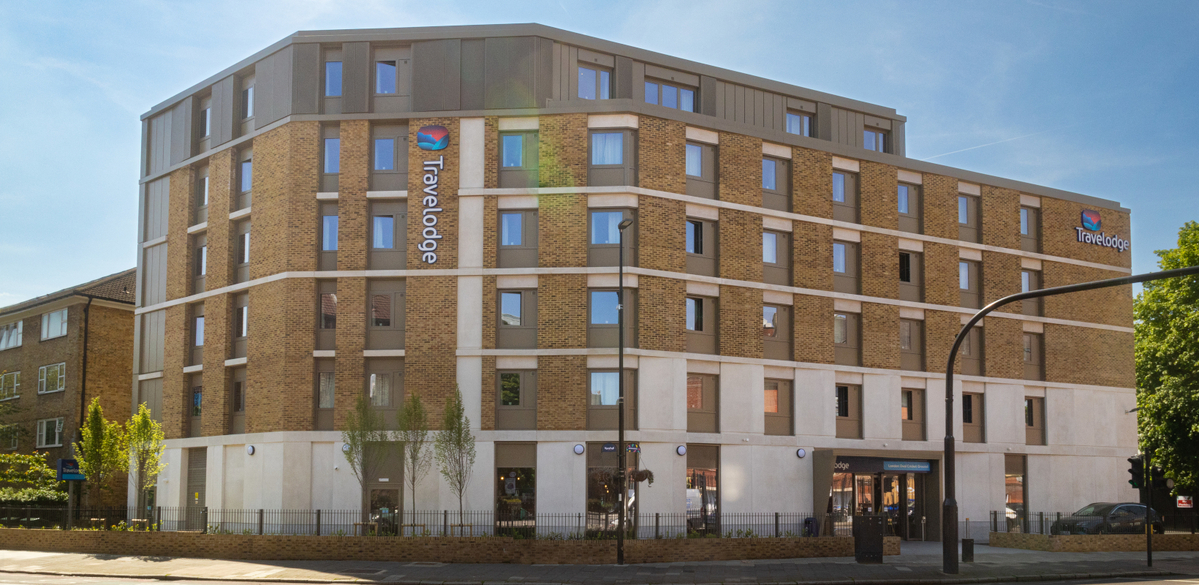
Travelodge posts loss amid ‘challenging market conditions’
The budget hotel group also faces a £21m bill following the increases to National Living Wage and employers’ National Insurance contributions
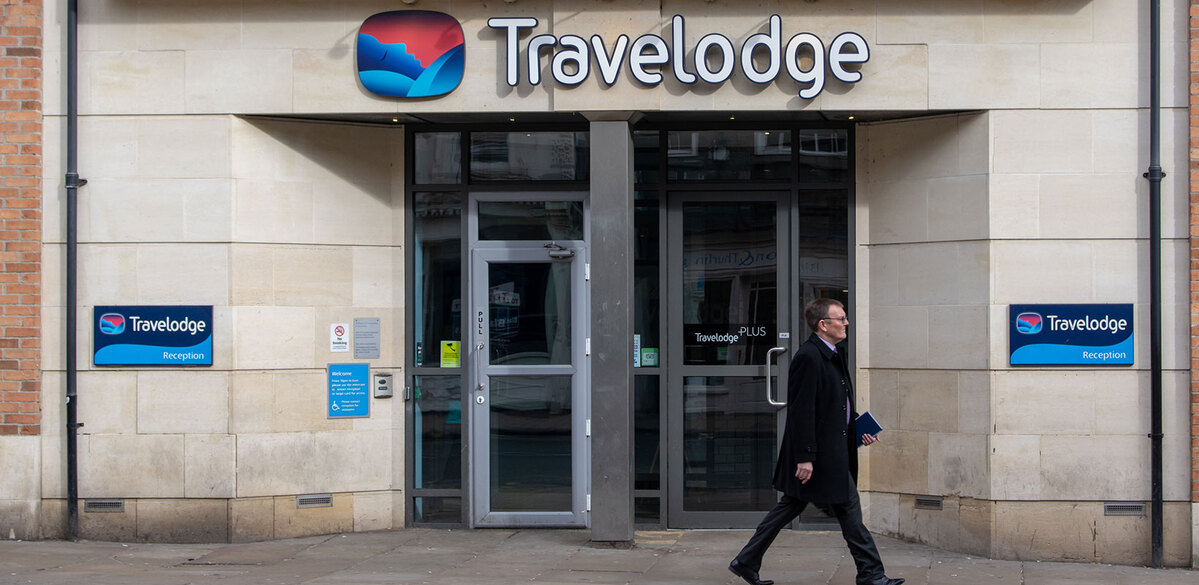
Softer rates and reduced business travel in Greater London has led to a slowdown in trading at budget hotel group Travelodge.
In its Q1 2025 results, the company delivered revenue of £198.4m, down from £205.5m over the same period in 2024, and group EBITDA (earnings before interest, taxes, depreciation and amortisation) loss of £8.4m, compared to a profit of £4.9m last year.
Travelodge attributed these setbacks to industry-wide inflationary pressures, which cost the business £8m in Q1. The group is anticipating a £12m expense for the full year due to the rise in the National Living Wage, and a further £9m from increased employer’s National Insurance contributions, amounting to a total cost burden from the NLW and NICs of £21m for the full year.
This has had a knock-on effect on revenue per available room, which is still below 2024 levels in Q2 to date, with London especially impacted by softer rates, fewer events and reduced corporate demand.
That said, the brand remains bullish about its expansion plans, having opened 11 hotels in the UK in the year to date, with a further four exchanged or completed across both freehold and leasehold models, in line with the group’s ambitions to open 15 more hotels in 2025.
Travelodge has also rolled out several refurbishments over the period, meaning 60% of its room estate has been upgraded, while enhancements across 85 of its Bar Cafés have led to a performance growth of roughly 3% compared to Q1 2024.
Jo Boydell, chief executive officer at Travelodge, said: “Travelodge has made good strategic progress in the first quarter, with our investments in growth and quality driving good occupancy levels ahead of the market. However, our performance in the traditionally most quiet quarter reflects challenging external market conditions, particularly in Greater London, where softer rates and reduced business travel impacted trading.
“Looking ahead, despite macroeconomic uncertainty, we are encouraged by H2 forward bookings, a robust summer events programme featuring major stadium concerts like Oasis, Beyoncé and Bruce Springsteen, and early positive signs of returning business travel demand, particularly from the construction sector. With a clear strategy supported by a strong liquidity position, efficient operating model and well-invested hotel network, we are well-positioned for the future and excited about the growth opportunities ahead of us.”
Travelodge was founded in 1985 and has since grown to over 600 hotels across the UK, Ireland and Spain.




Most Popular



HRC
 Mon Mar 30, 2026
 ExCel London
The Caterer Supplier Awards
Thu Apr 16, 2026
The Caterer People Summit 2026
Thu May 14, 202658VE, London
The Acorn Awards 2026
Sun Jun 7, 2026


The Caterer provides trusted hospitality news, analysis and trends for restaurants, hotels and catering professionals.

Jacobs Media is a company registered in England and Wales, company number 08713328. 3rd Floor, 52 Grosvenor Gardens, London SW1W 0AU.
© 2026 Jacobs Media
