


 Menu
Menu


Comparing value with cost: business leaders offer a path to profit
The deluge of costs hitting the industry is old news, but the way business leaders are dealing with it – rethinking staffing, pricing and suppliers – may be the way forward
Operators have long agonised over balancing the twin demands of maintaining profit margins and an enticing value proposition. And those responding to the Hospitality Business Leaders Survey 2025, produced by The Caterer and CGA by NIQ and sponsored by Bidfood and Compass Group, are clearly feeling the strain.
Their responses show an expectation that visit frequency will diminish at a time when staffing costs and food and drink prices are increasing. It’s a concerning message and one that’s been repeated frequently in the media by operators and industry bodies.
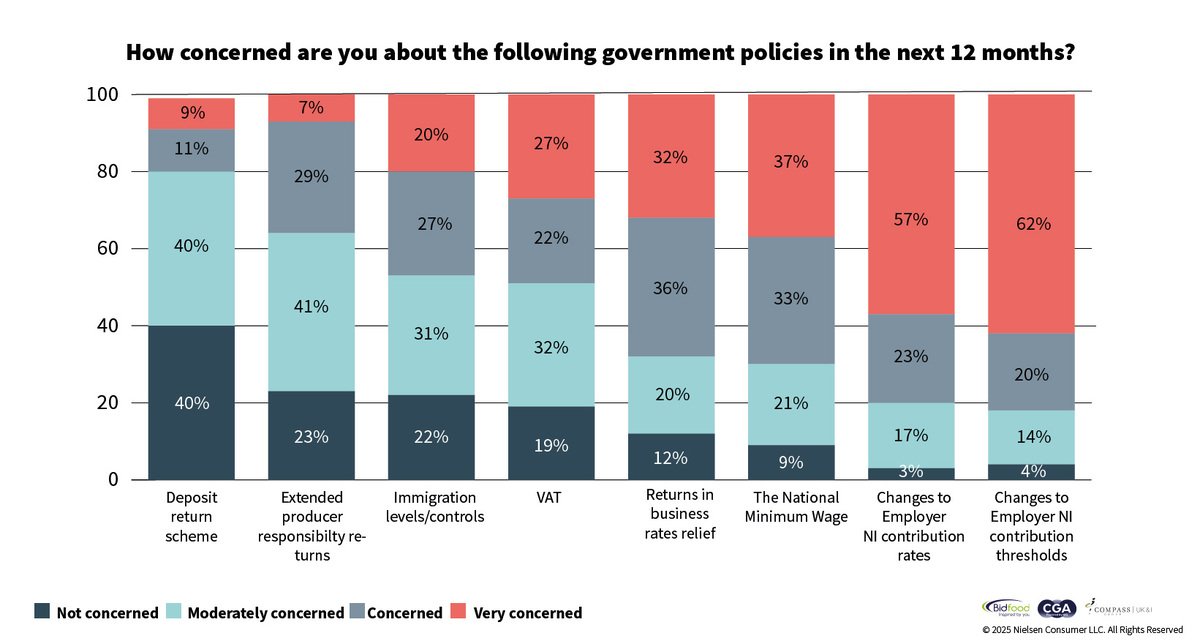
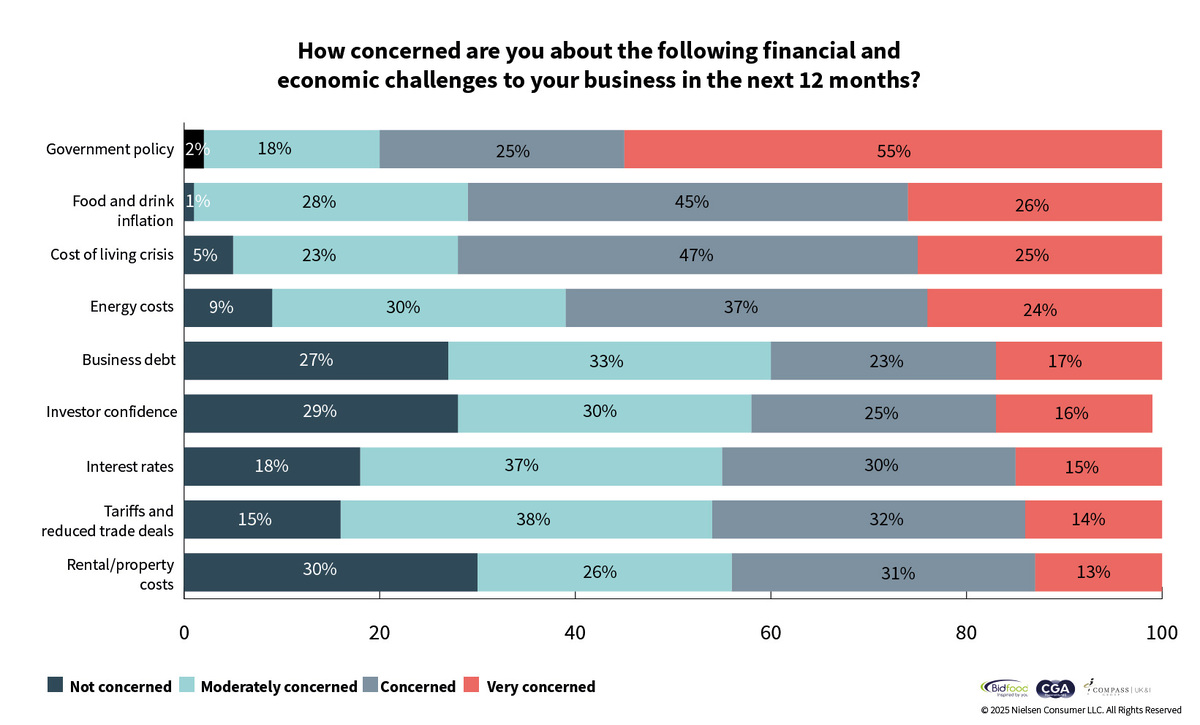
But what is driving these worries? Government policy, in the face of increases to National Insurance contributions and National Minimum Wage, is causing the largest number of operators (55%) to feel very concerned. A further 25% said they were concerned and an additional 18% moderately concerned. Other factors causing sleepless nights included food and drink inflation followed by the cost of living crisis, energy costs and business debt.
Mark Poynton, chef-patron of his eponymous Michelin-starred restaurant at Norwich’s Caistor Hall hotel and of the Ancient Shepherds in Cambridge, says the increase to staffing costs has seen him freeze recruitment. And he is not alone, with many respondents to the survey reporting that they are also looking to cut outgoings in this area.
The impact of employers reducing headcounts is already being felt, with reports of a 25% reduction in job postings for temporary work in hospitality this summer. Data from the Recruitment and Employment Confederation showed there were 22,369 fewer unique postings for jobs in hospitality this year, compared to the same period in 2024.
Let technology take the strain
Veryan Palmer, director of the independent, family-owned Headland hotel in Cornwall, has found herself looking to technology to free up her team to focus on direct guest relations, rather than hiring additional personnel.
She explains: “We’re using the systems available to make us more efficient, meaning our team now spend more time on the phone with guests as opposed to conducting a lot of admin tasks. A future evolution will see the use of artificial intelligence (AI) to bring our separate systems together, allowing us to streamline our operations further.”
The hotel has also invested in robot lawnmowers and AI to assist in the compiling of accounts.
Palmer adds that the property is exploring technology solutions in all areas and has expressed concerns that an industry-wide shift in this direction could have a knock-on effect on local communities, where hospitality has long been a key employer.
Read More

Such concerns are also held by Reuben Pullan, senior insight consultant at CGA by NIQ. He says: “These workforce changes will have significant impacts – on employers, who must reconsider their capabilities with a smaller team, and on employees, who find their opportunities for personal and professional growth limited.
“The impacts are unlikely to be equally shared either and part-time and flexible staff – from which these new costs stem – could find themselves the first to be cut, with core teams picking up the shortfall.
“The market is still in a state of flux as operators determine which course of action is best for them. Many will try and get by with a smaller team; others may find themselves working longer shifts or reducing their operating hours. Reduced employment of support staff, who are in the early stages of their careers, could also cause future disruptions to the talent pipeline. All of this brings a new set of trials for customer service and satisfaction levels.”
Passing on costs
Food and drink cost inflation ranked second in a list of operators’ concerns, with 81% reporting that their costs had increased in the preceding 12 months and 99% saying they were concerned about forecasts for the next year.
As a response, alongside reducing staffing overheads, operators are looking to increase their prices, with 84% planning to pass on increased costs to consumers. To do this, 75% were looking at charging higher food prices, 65% higher drink prices and 12% higher entry prices. Among hoteliers, 65% were planning to increase room rates.
“If people feel they’re getting value, even if that’s at a high price point, they’re really happy”
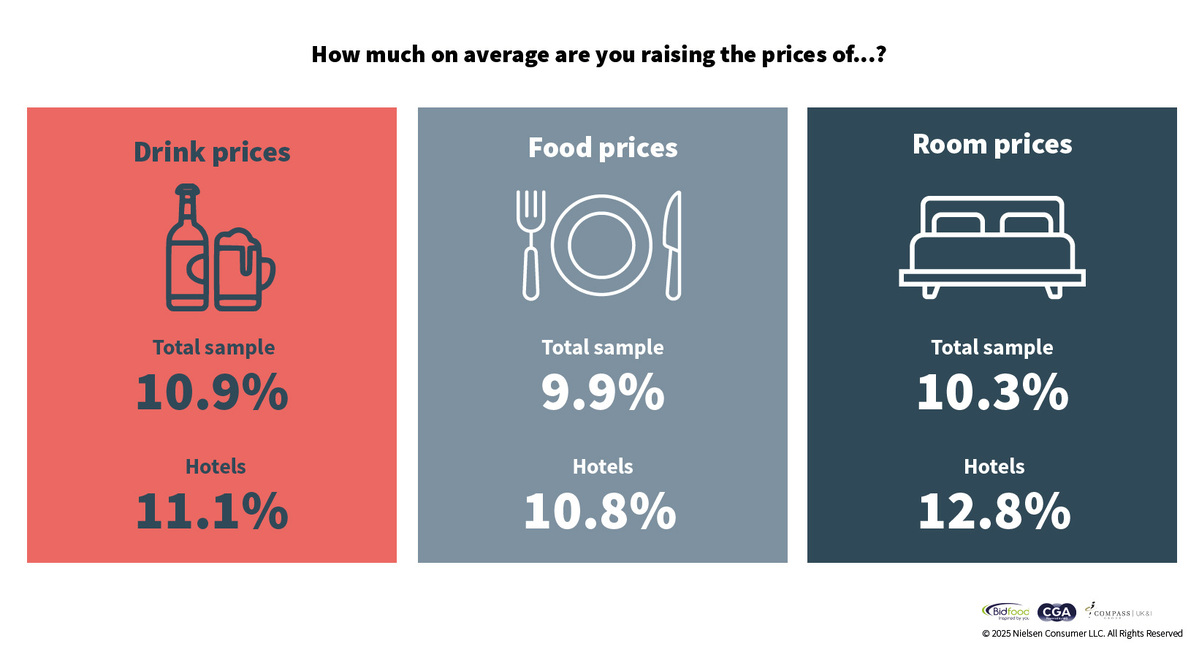
Pullan says: “Product cost inflation is particularly difficult to mitigate without significant reformulations of the offer to consumers. As a result, businesses have little option but to pass these costs on, through food, drink and rooms, with an anticipated price increase of around 10%. While most leaders have seen average spend per visit increasing as a result, this comes at the expense of declining footfall as consumers maintain their own financial balancing act.”
Both Poynton and Palmer feel there is room to respond to increases through pricing, as long as guests feel they receive an experience that represents value for money.
Palmer says: “If people feel they’re getting value, even if that’s at a high price point, they’re really happy. That’s what people are searching for. Our reservation team are now spending a lot more time finding out why people are coming to us and ensuring we’re responding to that. If you’re coming for a special occasion, you don’t mind spending a bit more for a beautiful suite with an ocean view as long as every part of your experience is lovely.
“We understand that everyone likes to feel recognised, whether you’re spending £125 on a mid-January stay or £800 in August – all guests have the same desire to feel seen, listened to and looked after. The extent to which we can make them feel cared for and looked after drives that feeling of value.”
Poynton adds: “I don’t feel customers are sensitive to price, but to the perceived value restaurants give. If you can produce something with a product that a customer can’t get anywhere else for better value, they will be happy.”
What is good value?
For David Kenny, managing director of national accounts at Eurest, a division of Compass Group UK&I, delivering value requires the careful consideration of the driving motivations of both clients and end customers. He explains that his teams need to consider not just price point, but also factors such as service, aesthetics, environmental credentials and nutrition.
Kenny says: “Price point remains important, but value is not only down to the cost of a meal. It’s about the food and a more holistic offer, which demonstrates good value. For example, the service, the team and the aesthetics of a workplace restaurant for an increasingly sophisticated market, which often require a contract caterer to go the extra mile.”
From the respondents to The Caterer’s survey, 59% believe pricing is a key driver for consumers, compared to 64% in 2023, with more believing value (74%) and quality (69%) are key drivers. For hotels the perceived impact of pricing falls further to 57%.
“Now it’s about finding the way of maximising yield and being more creative”
While there may be an opportunity to increase charges relative to value, managing the constantly changing landscape of cost pressures is a huge challenge for operators. While costs are not increasing as swiftly as they were in 2023, there are still very few who report them decreasing. In fact, an overwhelming 81% of operators reported higher food and drink costs in the last 12 months, 69% saw higher insurance costs and 64% higher energy costs. The only category to see a reduction was property overheads, with rents falling for 40% of respondents.
For Poynton, managing these changes and maintaining cash flow and gross profit (GP) are key to running a successful business. He says: “Aiming for a set GP percentage has always been tricky. You need to look at the overall GP, be it wet or dry. Some dishes will be lower and some higher, and I believe this is still the case.
“Not enough emphasis is put on cash margin sometimes, especially with wine. Why have a £500 bottle of wine selling for 70% GP when you can sell it for less and still make a good cash margin?
“I think good businesspeople have always been on top of costs, so now it’s about finding the way of maximising yield and being more creative. I do feel though in the UK, compared to the EU, we don’t charge enough for the amazing food this country produces, and because of this the customer doesn’t understand the price increases that have been happening.”
For Martin Eshelby, innovation development manager at Bidfood, it’s possible to enhance the customer proposition while protecting profit margins. He says: “Strategic price adjustments can protect profitability while keeping guests onside, too. For example, maintaining steady pricing on popular mains while premiumising starters, sides, or desserts allows operators to balance value perception with stronger returns. Highlighting high-margin dishes and offering customisation options, such as add-ons for burgers, enhances the dining experience and increases spend at minimal extra cost.”
In Cornwall the Headland hotel has sharpened its focus on pricing, consumer behaviour and overheads, recognising that guests are feeling cautious about their own finances.
Palmer adds: “We recognised changes in the demand for booking ahead last year – people didn’t want to tie up money ahead of time. We carefully monitored behaviours through our revenue management system and, as a result, our starting point rates this summer were lower than last summer. We saw that we needed to do that. I think for particular rooms, suites or experiences rates are still increasing, but for the majority [the rate growth seen in recent years] probably has plateaued.”
What to expect in 2025
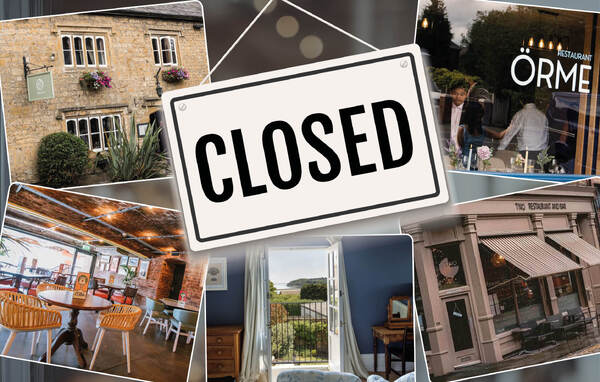
Looking ahead, a key concern for operators is that the industry could once again find itself in the crosshairs of government policy. This is particularly concerning as the impact of the cost pressures being felt by the industry has already seen many operators reduce their estates or leave the industry. The Hospitality Market Monitor from CGA by NIQ and AlixPartners showed that an average of two licensed premises a day closed permanently in the first half of 2025.
However, Pullan does feel that those operators continuing to operate have a clear focus. He adds: “A small positive to be taken is the leader response that efficiency, personalisation and improved service are the top three growth opportunities for 2025. The industry knows where efforts must be focussed, and while average teams may be smaller in number, they will be leaner, keener and better equipped to drive growth in the years ahead.”
Smart steps to protect margins in a challenging market
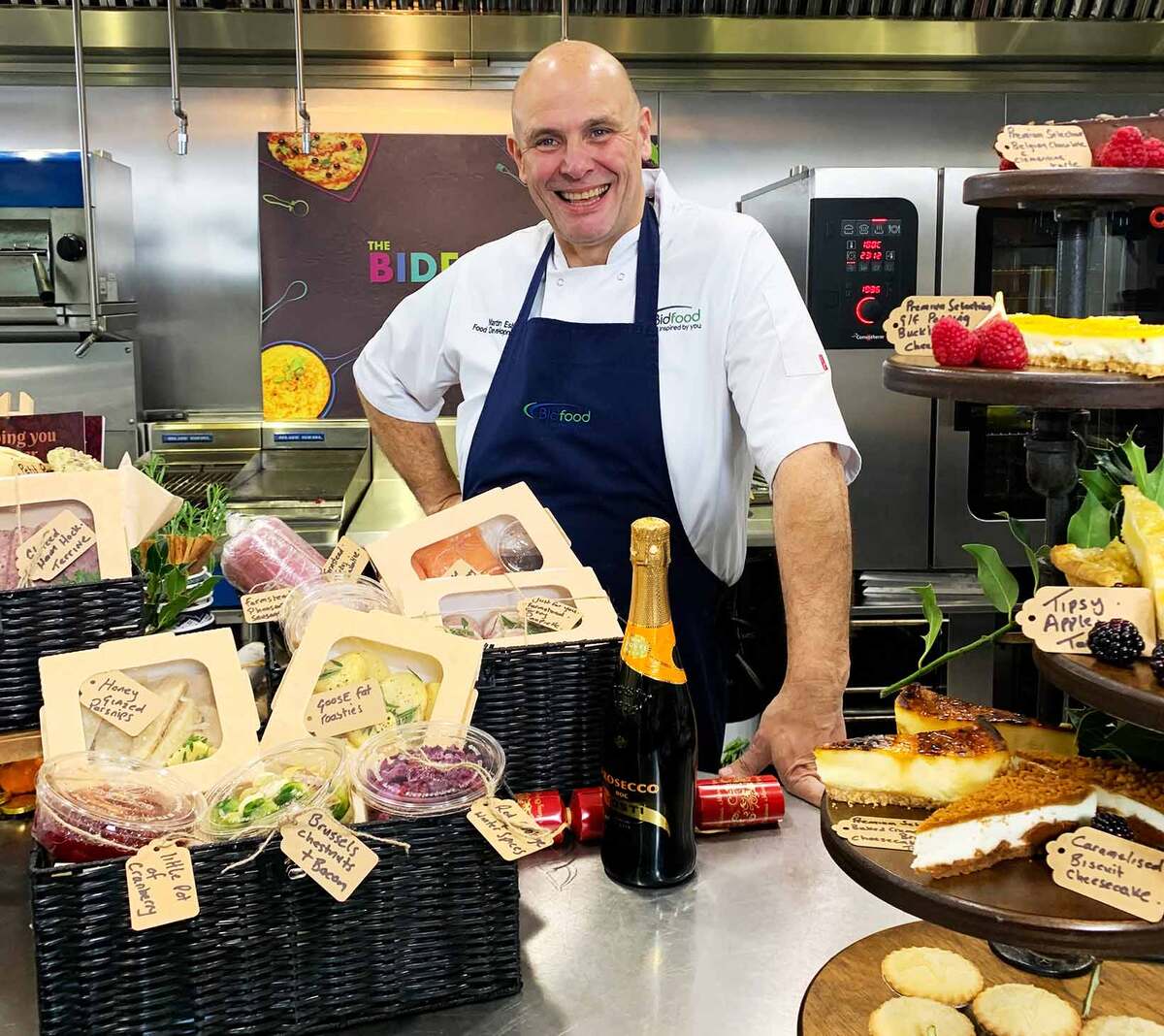
Martin Eshelby, innovation development manager, Bidfood
Hospitality operators are under more pressure than ever to protect margins while keeping their customers happy. Rising costs, from staffing to energy, are forcing businesses to rethink operations both behind the scenes and on the plate.
According to The Caterer’s Hospitality Business Leader Survey 2025, 84% of businesses plan to pass on some costs to customers, but clever, practical strategies can help operators safeguard profitability without compromising quality or service.
Foodservice provider Bidfood supports operators with tailored cost-saving strategies, menu management solutions and practical tools, backed by expert, friendly guidance, helping teams work smarter and more efficiently.
Menu mastery and portion optimisation
Well-designed menus are powerful profit drivers. Controlling food costs, managing portion sizes and reducing kitchen overheads through energy-saving measures all boost the bottom line without sacrificing quality. Even small tweaks, such as highlighting high-margin dishes, refining descriptions or adding premium touches, can significantly improve profitability and guest satisfaction.
One effective approach to consider is reducing protein in dishes without compromising quality by adding vegetables, grains, or breads. For example, fishcakes can include more potatoes and herbs, while pies can feature extra vegetables alongside slightly less meat. Portions remain filling and flavourful while helping manage protein costs.
Fluctuating meat prices can impact menus, but simple swaps maintain affordability and consistency. Blending proteins, such as mixing minced beef with brown lentils in a 70%-30% ratio in lasagne or cottage pie enhances texture and flavour while stretching ingredients. Substituting pork for beef or turkey for chicken in selected dishes also reduces costs without affecting taste.
Seasonal sourcing is another effective way to manage costs while keeping menus vibrant, fresh, and appealing. Seasonal produce is typically more affordable and at its peak in flavour, allowing operators to create colourful, exciting dishes that delight diners and protect margins.
Reducing waste and pricing with purpose
Making the most of every ingredient strengthens margins. Repurposing bones and trimmings into stocks, soups or sauces reduces waste while enhancing flavour. Analysing sales data identifies best-sellers and underperformers, helping operators focus on more profitable dishes. Digital tools can also facilitate promotions, loyalty schemes and deals that drive repeat visits without eroding value.
Strategic price adjustments can protect profitability while keeping guests onside, too. For example, maintaining steady pricing on popular mains while premiumising starters, sides, or desserts allows operators to balance value perception with stronger returns. Highlighting high-margin dishes and offering customisation options, such as add-ons for burgers, enhances the dining experience and increases spend at minimal extra cost.
Smart kitchens, clever menus, and data-driven decisions are a recipe for success. By optimising portions, championing seasonal produce, cutting waste, and tracking what works, operators can enhance profitability while keeping diners coming back for more.
Demonstrating value for money is more important than prioritising price

David Kenny, managing director, National Accounts, Eurest
A growing focus from consumers on value for money matches what we are seeing on the ground at Eurest and, in our experience, also applies to clients.
Price point remains important, but value is not only down to the cost of a meal. It’s about the food and a more holistic offer, which demonstrates good value. For example, the service, the team and the aesthetics of a workplace restaurant for an increasingly sophisticated market, which often require a contract caterer to go the extra mile.
At a large manufacturing client site, we recently installed a battery-operated modular kitchen to serve the production line and decided to think outside the box when it came to menu. We delivered a Mexican street food concept that has been extremely well received.
Another example of value and going above and beyond is our Dipna Anand celebrity chef pop-ups, or cookery classes to help people eat healthily at home, as well as at work.
That’s not about doing it cheap – it’s about getting great food into places where people haven’t always been able to access it before and offering something new and different to enhance the experience.
For some consumers, the price point is still the main consideration and it’s important we cater for them, too. That might be snack boxes which provide nutrition and flavourful food, or meal deals where clear pricing includes a main, side and a drink.
There remains an expectation from employees that food in the workplace should be cheaper than the high street, so it’s important to target subsidies carefully. Health and wellbeing are areas where we know we can deliver value. For some of the people we serve, the lunch offer could be their one hot meal of the day, so we need it to be delicious and nutritious in order to provide general health benefits and support concentration.
We closely monitor and evolve our offer to work with clients and customers to deliver value, including through our Did We Make You Smile surveys. These allow us to gather feedback around value, satisfaction and the friendlessness of our teams, enabling us to spot trends of what people want – and then deliver them.
It’s clear that expectation around quality and value for money is only going to grow. As an industry, we need to continue to be agile in order to deliver on it.
Read the 2025 Business Leaders survey in full
More insight from the Business Leaders surveys
Business leaders urged to jump in and get involved with AI
How hospitality’s business leaders are tackling recruitment in 2024
Why business leaders are putting sustainability at the top of the agenda
Business Leaders Survey: Is it time for hospitality to bounce back?
Produced in association with

Main photo: Samir Behlic/Shutterstock






More from The Caterer
Most Popular



The Acorn Awards 2026
 Sun Jun 7, 2026
The Cateys 2026
Tue Jul 7, 2026
Natural & Organic Food Show
Wed Sep 16, 2026 ExCel London
Artisan Food & Drink Show
Wed Sep 16, 2026ExCel London


The Caterer provides trusted hospitality news, analysis and trends for restaurants, hotels and catering professionals.

Jacobs Media is a company registered in England and Wales, company number 08713328. 3rd Floor, 52 Grosvenor Gardens, London SW1W 0AU.
© 2026 Jacobs Media
