
ao link

Small but mighty: How to create an amuse bouche cocktail to welcome guests

Baloo-za.jpg
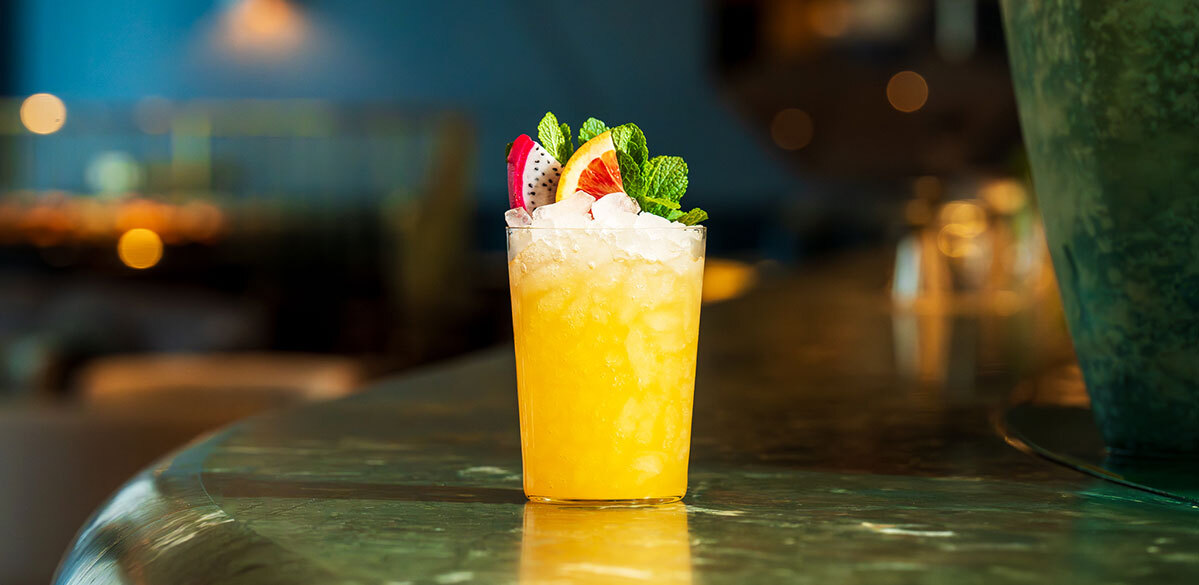
The Baloo-za (Diplomatico Planas rum, bear beer, “paw paw”, lion’s mane, bearberry, sour pineapple) at Lyaness

Mini bellinis, slushies, whisky Appletisers – the welcome cocktail, or liquid amuse bouche, is a fun way to start the evening and prep guests for what’s ahead. Bartenders describe their most popular small wonders
Linked InTwitterFacebook
bookmark_borderSave to Library

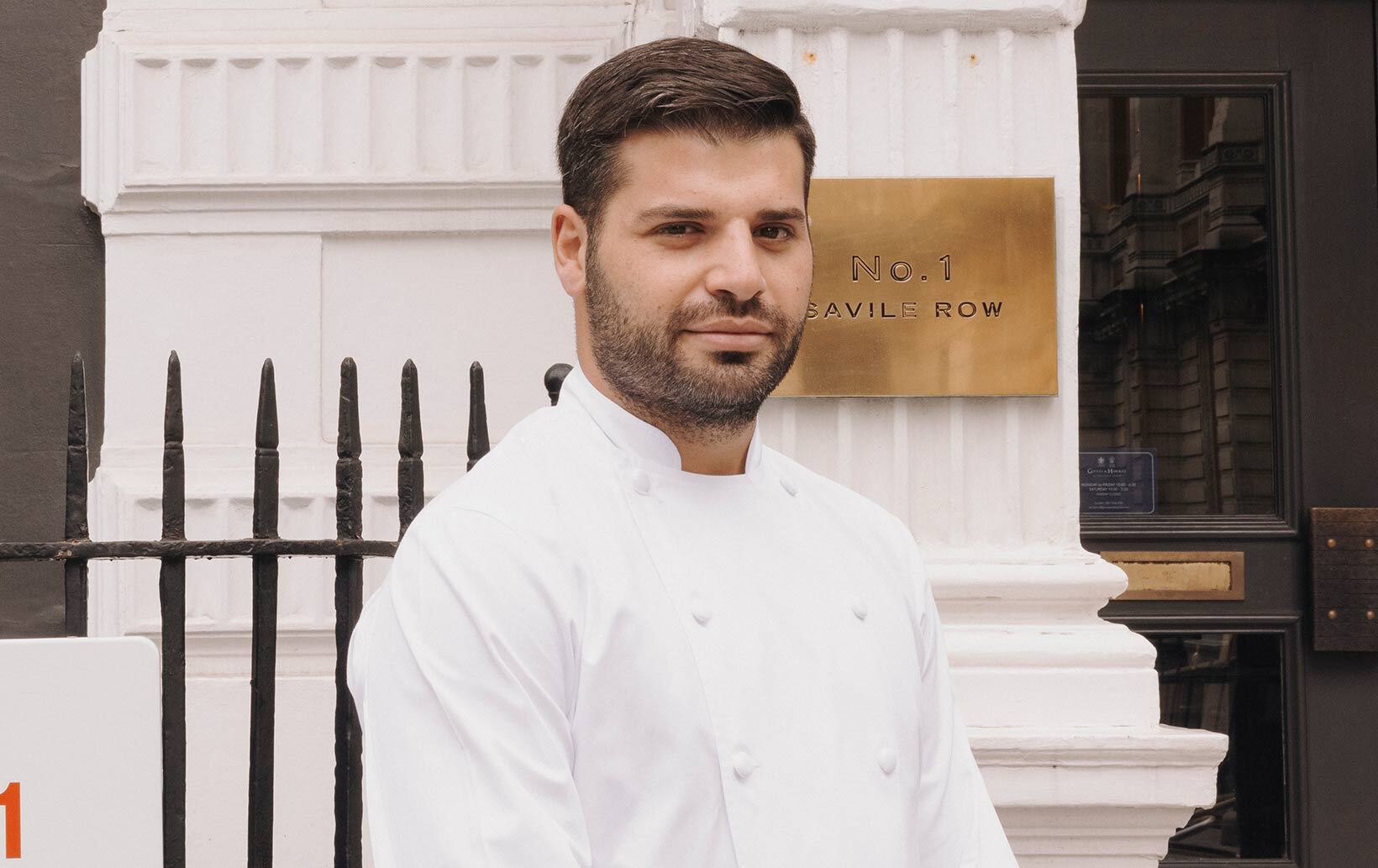
“At the very crux of it, the idea of a welcome cocktail of any kind is a lovely gesture,” says Edinburgh’s Little Capo bartender Leon Back. During his time at London’s Artesian bar at the Langham, he fondly remembers a welcome slushie being served as a welcome drink for guests at the hotel’s bar.


Some of the UK’s best bars offer a tiny tincture at the front of the drinking experience – from the Connaught Bar and Lyaness in London to Below Stairs in Leeds. Often built around the same principles as its food equivalent – the amuse bouche – the welcome cocktail is there to prep the palate, introduce a bar’s style and concept, and offer guests a hospitable nod at the start of their sitting.


“It’s uplifting, energising and sets the tone for the evening,” says Tyler Zielinksi, author of the recently published Tiny Cocktails: The Art of Miniature Mixology, which includes an amuse bouche section featuring mini Pornstar Martinis, Garibaldis, spritzes and sparkling wine cocktails. “Something with acidity works well to refresh your palate – the same as a pre-dessert,” he adds.


But offering a complimentary drink to every person who walks into your establishment can have the potential of being an efficiency-stealing, quality-lowering and costly proposition. So how can you make a welcome cocktail while also looking after your bottom line?

042_Ziel_9780593796917_art_r1-(1).jpg
Art of Simplicity from Tiny Cocktails: The Art of Miniature Mixology
Leon-Back.jpg
Leon Back

Make it matter

“I do understand why potentially not every venue would do it, but it really makes sense for Lyaness,” says head bartender Peter Scott. Lyaness, within the Sea Containers hotel on the South Bank, is known for its category-bending creations and has historically used a welcome cocktail to showcase the creative flex of its team as well as deliver something delicious. “Outside of menu development and competitions, we don’t have any specials,” he explains. “So it is a lovely way of giving someone some creative licence.” 


Its current welcome cocktail, made by bartender Nick Chapman, uses fermented apples and blackberries combined with whisky and topped with soda – “like a fun little Appletiser” – and has proven to be an overwhelming success while championing the DNA of Lyaness’s drinks. While the team played with peated whisky first, the decision to make it unpeated played into the notion that it would be more crowd-pleasing for a large audience.


The Vantapink Gimlet (The Botanist gin, spite cordial, rhubarb, fermented nettles) at Lyaness


Anything but Champagne

Pietro Collina, bar director at Viajante87 in Notting Hill in London, and with previous roles at Eleven Madison Park and Nomad in New York, knows the value of offering something other than Champagne –“everyone does Champagne” – while maintaining the identity of the brand your working for: “A welcome drink sets the tone for what you can expect throughout your time at a bar,” he says.


He also advises against stirred drinks, such as Martinis or Old Fashioneds, and leans more towards low-abv serves in 60ml formats. His favourite ingredient in welcome cocktails is tea. “It makes a drink that’s very light, delicate and carbonated – Champagne-like, but with tea,” he says. He also looks to Viajante87’s Latin America inspiration to serve non-alcoholic agua fresca (a combination of fruit, water and lime juice).


It can also be an easy way to use up surplus stock. When Back introduced welcome cocktails in his first year managing Edinburgh’s Commons Club, barstaff used waste products from the kitchen and bar to make cordials. At Little Capo, drinks like mini Bellinis change seasonally to avoid them falling into what Pietro calls “second-thought” territory: “Sure, it’s good for sustainability and a good opportunity for younger bartenders to play around with drinks, but that first taste has to make you want more drinks.”


Personalisation plus practicality

While offering everyone the same welcome cocktail is already going above and beyond, the real flex is personalising it to your regulars or guests with a preference. “The secret for me is how we tailor the welcome drink,” says Scott. “It requires active listening when people come in, or if we know them, honing in on something.” He gives the example of topping Lyaness’s current welcome drink with Champagne rather than soda, or making it in shot form by adding citrus and giving it a brief shake. 

083_Ziel_9780593796917_art_r1.jpg
Tropical Garibaldi from Tiny Cocktails: The Art of Miniature Mixology
viajante-87.jpg
Viajante87

Collina notes that the one-size-fits-all approach is becoming harder as people’s drinking habits change, too. As part of his work with Luna Omakase, questions asked before the guest even arrives tell the team what they need to know when it comes to preferences. “We ask about dietaries or if they drink alcohol, which helps us prepare that personal touch in advance… it’s really about using data and the information you already have without having to read someone’s mind when they walk in the door.” 


“It’s best to choose something batchable, from a bottle, served with one touch, and into a small vessel”


Scott says the Lyan brand’s prioritisation of speedier-than-normal service is what makes welcome cocktails and their tailoring possible, as does the buffer of working in a hotel bar as opposed to an independent one when it comes to cost – and not just the monetary one, but labour too. 


The Moo Reed (Teeling Single Malt, smoked camel milk, hummingbird nectar, grass, lemon) at Lyaness


Delivering your welcome cocktail in a way that doesn’t impact service is fundamentally important. “If a guest is going to get it within the first 45 seconds after sitting down, and you have to execute that while still running service, it’s best to choose something batchable, from a bottle, served with one touch, and into a small vessel,” advises Back. The aforementioned Artesian slushie was prepared in large volumes and delivered easily from a machine into vessels by the floor staff, meaning the service behind the bar remained unaffected.


Collina thinks the smartest way to make welcome cocktails work financially is with brand partnerships as a guaranteed way of getting liquid on lips. “Nowadays a lot of brands want to be in a venue, but menu placement doesn’t always move a product,” he explains. Offering them a chance to be drunk by everyone in the venue for a fee or stock is a win-win when it comes to the issue of the monetary cost of welcome cocktails.

Mango-Zapoteca-Viajante87.jpg
Mango Zapoteca at Viajante87
Lyaness---March-2019---James-McDonald.jpg
Lyaness at Sea Containers

Fond farewell

What about the other end of the dining experience too? Aka, the petit fours equivalent, the leaving cocktail. “At Viajante87 we give people something to drink with the cheque,” says Collina, who says that method treads a better line between generosity and upping spend. “We’re generous, but also prompting them to maybe tip more. The monetary incentive for staff to receive an extra tip gets lost when it’s forgotten with the welcome cocktail.”


Lyaness is also known to flip the narrative and end the experience with a leaving drink, in most recent times a Szechuan Shandy. “It’s mega and a fun little goodbye,” says Scott. Zielinski warns that if this is your preferred approach, think about the time at which your guests are leaving. “How I would cap someone’s experience at 5pm and 11pm would be two different things,” he says, citing something more spirit-forward or caffeinated for earlier guests and something more dessert-like for later, like a baby Grasshopper or mini White Russian.


Whichever way you wish to approach it, surely having fun with it is also part of the appeal. “If it’s crazy complex or intimidating, it isn’t going to do its job,” says Back, “it has to be relatable enough for guests to be comfortable, but also needs to be playful… It doesn’t have to be world-beating.”


Tiny Cocktails © 2025 by Tyler Zielinski. Photographs © 2025 by Eric Medsker. Published by Clarkson Potter, an imprint of Crown Publishing Group

Sustainability Summit 2026

Sustainability Summit 2026

Natural & Organic Food Show

Natural & Organic Food Show

Artisan Food & Drink Show

Artisan Food & Drink Show

Lunch!

Lunch!

The Caterer
Follow us on Facebook
Follow us on X
Follow us on Linked In
Follow us on Instagram

The Caterer provides trusted hospitality news, analysis and trends for restaurants, hotels and catering professionals.

Jacobs Media

Jacobs Media is a company registered in England and Wales, company number 08713328. 3rd Floor, 52 Grosvenor Gardens, London SW1W 0AU.
© 2026 Jacobs Media