


 Menu
Menu


Foodservice price inflation eases for 19th consecutive month
However, persistent pressure on global commodity markets is likely to impact food and drink costs
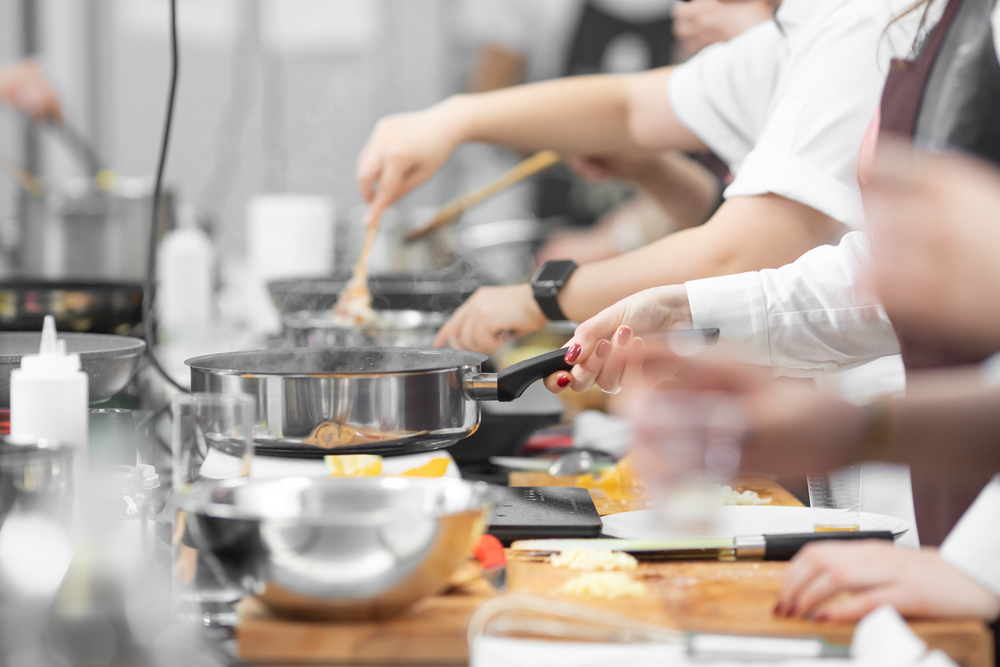
Year-on-year foodservice price inflation decelerated for the 19th consecutive month in January 2025, according to the latest Foodservice Price Index (FPI) report from Prestige Purchasing and CGA by NIQ.
Monthly inflation in the total basket of items measured by the index stood at 1.8%, while month-on-month inflation was flat at 0%. But while the overall trend for hospitality is welcome, significant global economic and political uncertainties may threaten the stability of prices in the months ahead.
Of the index’s 10 categories, only fish recorded year-on-year deflation and just three delivered month-on-month deflation. Beef prices have continued to surge to record levels, driven by projections of strong demand and lower production in 2025. There are some pockets of relief, including the start of a decrease in olive oil prices after record highs in recent years.
Other persisting pressures on global commodity markets are likely to impact food and drink prices. Notably, aluminium prices have surged 17.9% over the six months to January 2025 following increased demand from China, rising energy costs, supply chain disruptions and escalating fears of a global trade war. The recent imposition of a 25% US import tariff on aluminium adds further uncertainty.
Crude oil prices also saw a substantial 11.4% month-on-month increase, driven by geopolitical tensions, delays in OPEC+ production increases and heightened demand. Natural gas prices also continued their upward trend, rising 4.7% month-on-month.
Shaun Allen, chief executive of Prestige Purchasing said: “While the overall FPI indicates a continued low level of inflation, the pressure on some key commodities, such as beef, energy and crude oil, together with the pending cost impacts from the National Minimum Wage increases and National Insurance Contribution changes, are likely to see inflation rise again over the coming months. Operators should ensure they have robust procurement strategies and mitigation plans in place where possible to navigate the challenges ahead.”
Reuben Pullan, senior insight consultant at CGA by NIQ, added: “Nineteen months of downward movement in inflation has been welcome respite for businesses in the foodservice chain besieged by cost pressures. However, there is no room for complacency, especially as global trade tensions rise. While there are positive signs, the outlook for hospitality remains cautious given the ongoing global trade tensions and rising costs. With other costs like labour and energy rising and many consumers still hesitant about spending, the trading environment will be difficult for some time to come.”
The latest inflation figures follow the CGA RSM Hospitality Business Tracker finding that sales growth had stalled at pub and bar groups in January, though contract caterers reported their highest growth of the year in the fourth quarter of 2024.
Operators were also recently advised to overhaul buying habits to tackle high beef, potato and coffee prices.
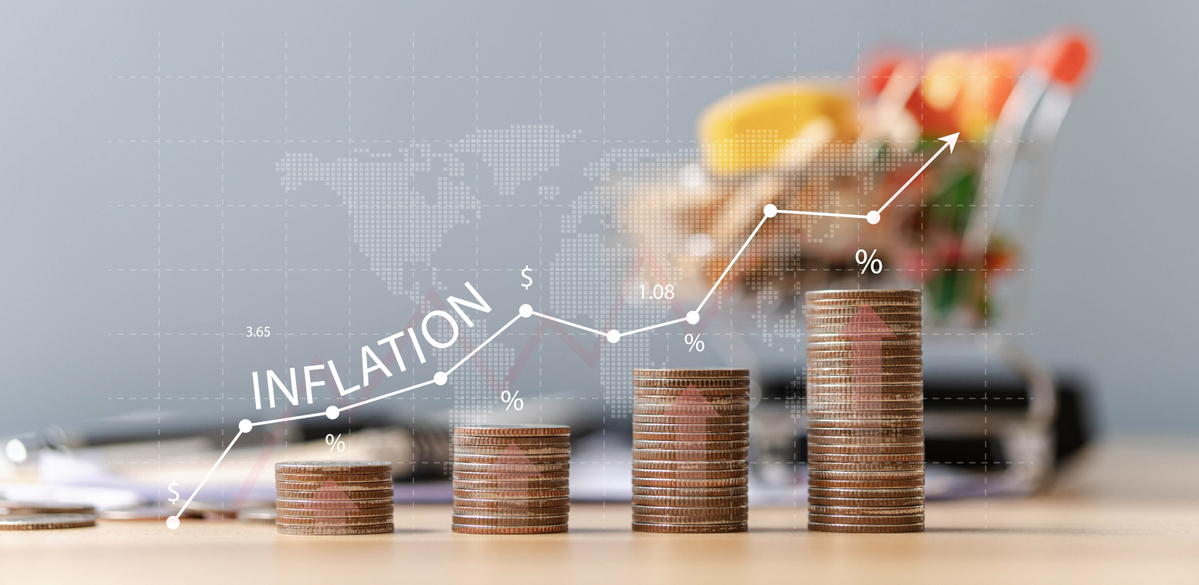
Image: Parilov/Shutterstock
Read More

Related content








More from The Caterer
Most Popular




The Acorn Awards 2026
 Sun Jun 7, 2026
The Cateys 2026
Tue Jul 7, 2026
Natural & Organic Food Show
Wed Sep 16, 2026 ExCel London
Artisan Food & Drink Show
Wed Sep 16, 2026ExCel London


The Caterer provides trusted hospitality news, analysis and trends for restaurants, hotels and catering professionals.

Jacobs Media is a company registered in England and Wales, company number 08713328. 3rd Floor, 52 Grosvenor Gardens, London SW1W 0AU.
© 2026 Jacobs Media
