



 Menu
Menu


Lowering the drink-drive limit: why drinking culture matters as much as the law
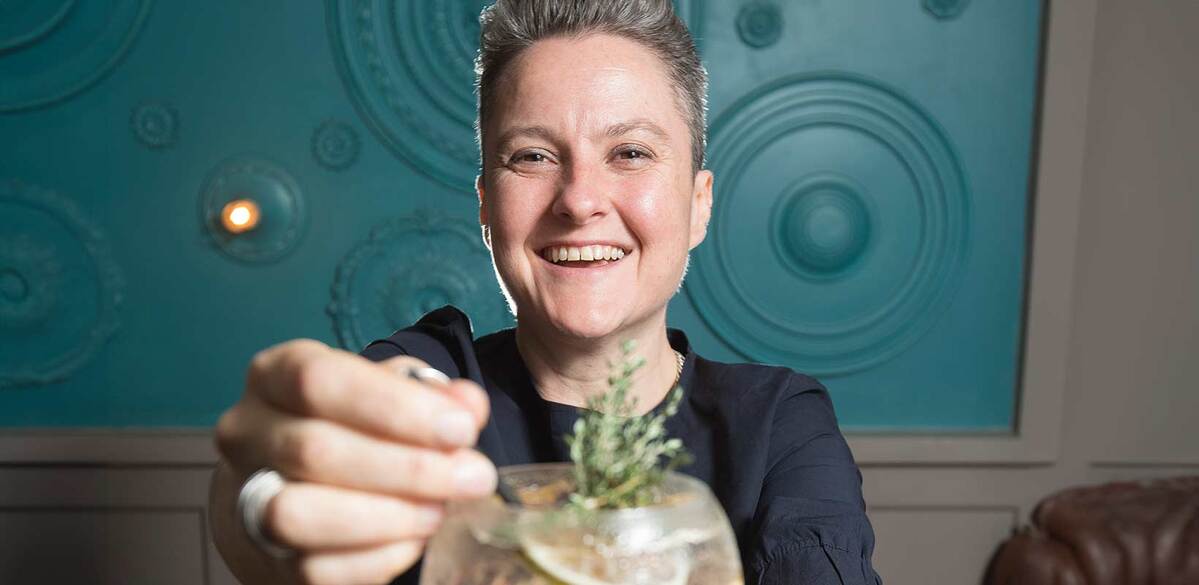
If drinkers could easily find delicious alcohol-free options that were sold with the same reverence as alcohol, it would normalise ‘going without’
The government’s proposal to reduce the drink-drive limit in England and Wales has landed with a familiar thud. On one side are those arguing that any alcohol plus driving is unacceptable, and on the other are those who are worried it’s another nail in the coffin for an already struggling hospitality sector. And while no one wants to say it out loud, we all know the unspoken fear: that venues would rather a guest for one alcoholic drink and drive than not come out at all.
The Department for Transport has proposed reducing the alcohol limit for learner and recently qualified drivers from 80mg per 100ml of blood to around 20mg. For all other drivers, the level would be lowered to around 50mg, which is the current limit in Scotland.
As someone who has spent years arguing that venues should invest in alcohol-free and mid-strength drinks to reflect changing drinking habits, I’m actually optimistic. A lower or zero limit will not have the same seismic impact it would have had 10 years ago, but that doesn’t mean the policy should be introduced without proper support for both consumers and the sector.
Hospitality is already changing. The sector has done a decent job of starting to fill the alcohol gap, recognising that people going home early or drinking tap water hits the bottom line. But bans and penalties aren’t the only tools in the government’s armoury, and the industry itself also needs to take a hard look at supply chains and restriction of choice.
The real risk right now is tightening the rules without fixing the environment people are making choices in. If every pub, restaurant and bar could offer genuinely good alcohol-free and lower-strength options – in a proper range, clearly listed and fairly priced – the pressure would ease. Choosing not to drink when driving would feel normal, not awkward. But we’re not quite there yet.
That word ‘could’ matters. While quality has improved and more people are mixing their drinking rather than going all or nothing with alcohol, there still isn’t enough breadth or consistency to suit every customer or occasion. The problem isn’t demand; it’s routes to market, visibility and how these drinks are supported and sold. Wholesalers have a huge part to play in fixing that.
And let’s be honest: no, low and mid-strength drinks are not yet embedded in our cultural identity in the way alcohol is. Too often they’re framed as a compromise, something to drink instead of rather than because you want to. That’s why training, communication, visibility and parity – including in promotions and marketing – are still so important.
This is where the government could genuinely help. If ministers want behaviour change, it needs to be joined-up. That means making better choices easier, not just penalising people when they fall short.
Crucially, low and no drinks are not the only answer to drink-driving – it’s part of a wider mix that includes transport, late-night buses and trains, rural connectivity, workplace culture and how we talk about alcohol. Reducing the limit without addressing these risks alienating people who might otherwise support the change.
Laura Willoughby is the founder of Club Soda
Do you have a question for one of the Drinks Doctors? Send your query to drinks@thecaterer.com




More from The Caterer
Most Popular


Webinar: AI - building trust in the workplace
 Wed Feb 18, 2026
The Caterer Supplier Awards
Thu Apr 16, 2026
The Acorn Awards 2026
Sun Jun 7, 2026
The Cateys 2026
Tue Jul 7, 2026


The Caterer provides trusted hospitality news, analysis and trends for restaurants, hotels and catering professionals.

Jacobs Media is a company registered in England and Wales, company number 08713328. 3rd Floor, 52 Grosvenor Gardens, London SW1W 0AU.
© 2026 Jacobs Media
