


 Menu
Menu


When it comes to workforce management, keep it simple
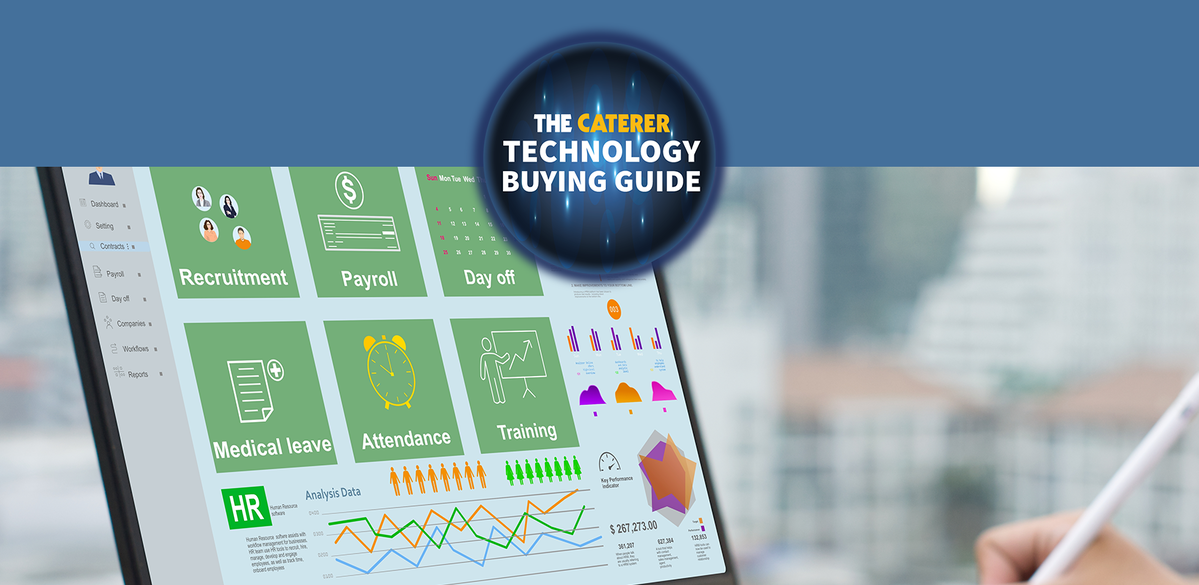
Do your research before taking on technology that takes care of HR
There are hundreds of tech firms offering software for recruitment, onboarding, HR admin, payroll, staff rotas and labour and sales forecasts, but upgrading such systems can be a big project. Greene King, a business with 40,000 employees, is investing £10m in its HR and payroll platform over the next five years.
For single-site hospitality businesses, workforce management tools are often bundled with electronic point of sale (EPoS) systems and sold as a package. Daniel Merriman, director of IT business solutions at hotel management company Aimbridge EMEA, says bundled services can deliver greater built-in compatibility and cost efficiencies due to scale and scope, while selecting individual services allows access to the highest-quality solutions in each category.
He adds: “Bundled offerings are often structured as modular platforms, enabling a phased roll-out, which may sometimes better suit operational needs.”
But how do you know you are selecting a good provider? Jane Pendlebury, chief executive of HOSPA, says: “Speak to people who are already using the platform – ideally, businesses similar in size and structure to yours. Then run a trial. If it makes your job harder instead of easier, you’ll know. Great tech should fit into your operation naturally, not require a total reinvention of your processes.”

Define what you want
When researching vendors, look for warning signs such as financial insecurity, negative client reviews, low engagement or poor adoption rates. Similarly, any conflicts with established brand standards or your existing suppliers should not be overlooked. Complicated pricing structures, vague or unsupported return on investment claims, as well as promises of an AI utopia, should also be treated with caution.
“Beware of systems that feel over-complicated,” says Pendlebury. “If it’s not easy to onboard new team members or adjust schedules quickly, it could end up being more trouble than it’s worth. Poor customer support is another warning sign: if it’s difficult to get a straight answer during the sales process, that won’t improve.”
In the first instance, map out your software needs and understand the integrations required. A credible vendor should work with you to identify your operational needs. Does your business regularly rely on temps or agency staff? Are there any annual hour requirements? Can employees choose their working hours?
A request for proposal process will ensure that a relevant and comparable field of suppliers can be ranked using the same criteria.
And, as always, read the small print. Pendlebury says: “Be wary of long-term commitments or penalties for early exit, and look closely at licensing models as per-user pricing can get expensive quickly. And always ensure that you retain access to your own data. That information is valuable, and you should never be in a position where you can’t export it or move it elsewhere if needed.”
Lastly, Merriman advises that it’s not all about the tech: “Don’t underestimate the requirement for business change management alongside your chosen solution. It is often the critical factor in achieving return on investment.”
The Technology Buying Guide 2026
- AI: How to use artificial intelligence to take away tedious tasks
- Booking tools: Software that eases the path to the final click
- EPoS: Ways to make your electronic payment system work for you
- Guest experience: How to make the most of the digital touchpoints
- Property management systems: A practical guide to choosing your next PM
Sponsored content
- How hoteliers are rethinking PMS with Apaleo
- Focus Group: AI – the quiet force powering hospitality’s next leap
- Rezcontrol – the listening PMS
- Reimagining hospitality: How Shiji powers hotels day and night
- Stampede – all your guest engagement tech in one seamless platform
- Dines: The POS that chose service over bots








Most Popular





Best Places to Work in Hospitality 2026
 Wed Feb 4, 2026
Webinar: AI - building trust in the workplace
Wed Feb 18, 2026
The Caterer Supplier Awards
Thu Apr 16, 2026
The Acorn Awards 2026
Sun Jun 7, 2026


The Caterer provides trusted hospitality news, analysis and trends for restaurants, hotels and catering professionals.

Jacobs Media is a company registered in England and Wales, company number 08713328. 3rd Floor, 52 Grosvenor Gardens, London SW1W 0AU.
© 2026 Jacobs Media
