


 Menu
Menu


How to find an EPoS to suit your site
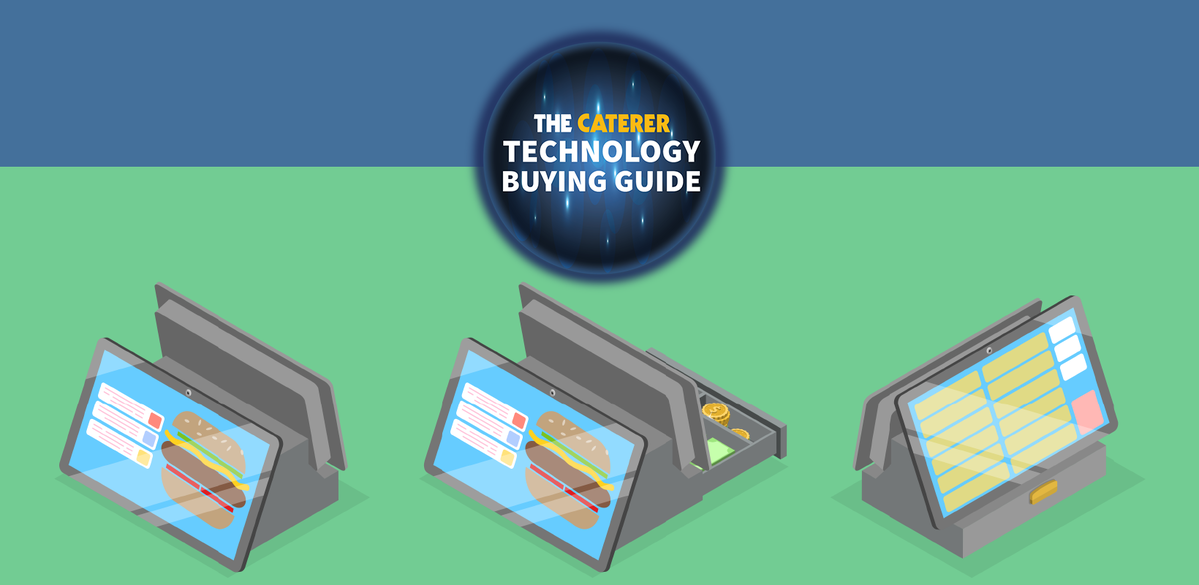
The perfect electronic point of sale machine needs to be simple to use but able to process complicated transactions easily
There are several non-negotiable requirements for an electronic point of sale (EPoS) system, according to Scot Turner, founder of Auden Hospitality and the operator of three London restaurants.
The perfect EPoS must be easy to use; be able to display allergen information for every dish; feature integrated payments and accounting; take QR payments for mobile ordering; and bypass having to manually type billing totals into the process data quickly (PDQ) device.
“You should be able to put in the table number and it brings up the cheque – there should be no manual human input and very little margin for error,” he explains. “Usability for the team is key. It should be easy to get an order in so you don’t have customers sitting there too long.”
Many systems only send data back from the EPoS to reservations, but Turner requires a two-way integration, so guest data from the reservation shows up in the EPoS before the sitting.
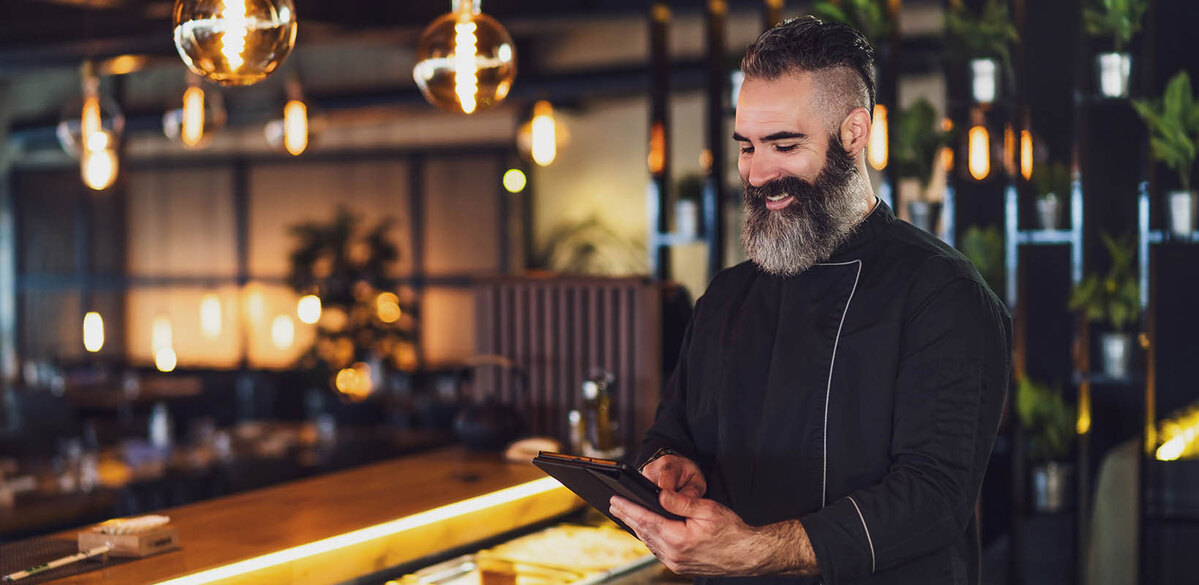
A vital part of the workflow is how the kitchen receives orders. One of his restaurants uses display screens, while two use old-fashioned printers and receipt dockets.
“Personally, I think kitchen display screens are great, but some chefs don’t like them. But I don’t try and force something on them that might cause an issue,” he says.
One of his sites, modern Mexican restaurant Homies on Donkeys in Leytonstone, London, opened as a bricks and mortar restaurant after starting life as a market stall. It was a big step and Turner knew the owners wanted to keep things simple.
“There was no point doing anything too technical, so we picked a simple EPoS that was very easy to use,” he says. “They did not want IT support because they wanted to protect their profits, so we found something robust and solid and added an inventory system to it.”
“Two years on, the operation and complexity have grown, so we’re about to move to a full-service restaurant system through which we can drive extra revenue, with additional tools such as email marketing,” he says.
When it came to choosing an EPoS for another of Turner’s restaurants, Noreen, a Middle Eastern restaurant in Marylebone, London, the difference in cost between two systems was £7,500 a year. “We went with the system that offered us a better rate on credit card payments,” he says.
In addition to a fixed monthly fee, the percentage that EPoS vendors take from each digital payment ranges between 1.4% to 2.6%.
Not accepting cash is an advantage, Turner says: “Your insurance is cheaper, you don’t have cash on site and reconciliation is better.”
Not having to pay someone to cash up each night also makes a significant saving and the right EPoS can help businesses reduce labour costs – which are now more than 50% of revenue – by automating or eliminating several steps in the restaurant workflow.

Location, location, location
When it comes to mobile ordering in hotels and resorts, Simon Kaye, chief operating officer of Hospitality Technology Advisory, says it is essential the system can pinpoint where the guest wants to actually receive their order. “Identifying a guest and their room won’t help if they are in a cabana by the pool,” he says.
He advises businesses to tailor what they offer to each zone: not all foods work well eaten by the pool – and some may not even survive the journey from the kitchen.
Equally, guests enjoy being able to choose what they want, but you don’t want to clog up the system by giving them too much leeway in leaving long messages about how their burger is cooked. “It’s got to be click-based, or the kitchen will break,” Kaye says.
The Technology Buying Guide 2026
- AI: How to use artificial intelligence to take away tedious tasks
- Booking tools: Software that eases the path to the final click
- Guest experience: How to make the most of the digital touchpoints
- Property management systems: A practical guide to choosing your next PMS
- Workforce management systems: Organise shifts, take care of HR and look after your staff
Sponsored content
- How hoteliers are rethinking PMS with Apaleo
- Focus Group: AI – the quiet force powering hospitality’s next leap
- Rezcontrol – the listening PMS
- Reimagining hospitality: How Shiji powers hotels day and night
- Stampede – all your guest engagement tech in one seamless platform
- Dines: The POS that chose service over bots








Most Popular





Best Places to Work in Hospitality 2026
 Wed Feb 4, 2026
Webinar: AI - building trust in the workplace
Wed Feb 18, 2026
The Caterer Supplier Awards
Thu Apr 16, 2026
The Acorn Awards 2026
Sun Jun 7, 2026


The Caterer provides trusted hospitality news, analysis and trends for restaurants, hotels and catering professionals.

Jacobs Media is a company registered in England and Wales, company number 08713328. 3rd Floor, 52 Grosvenor Gardens, London SW1W 0AU.
© 2026 Jacobs Media
