



 Menu
Menu


2025 in review: The biggest hospitality stories of the year

Oasis fans bought the biggest round, casual dining hit the rocks and chicken flew – here are the biggest stories from The Caterer in 2025
It’s been another packed year for the hospitality industry, with major hotel sales, a busy summer for stadium caterers and chefs adapting their menus to changing trends. We take a look back at some of the top stories from 2025.
Michelin hands out stars, keys and grapes
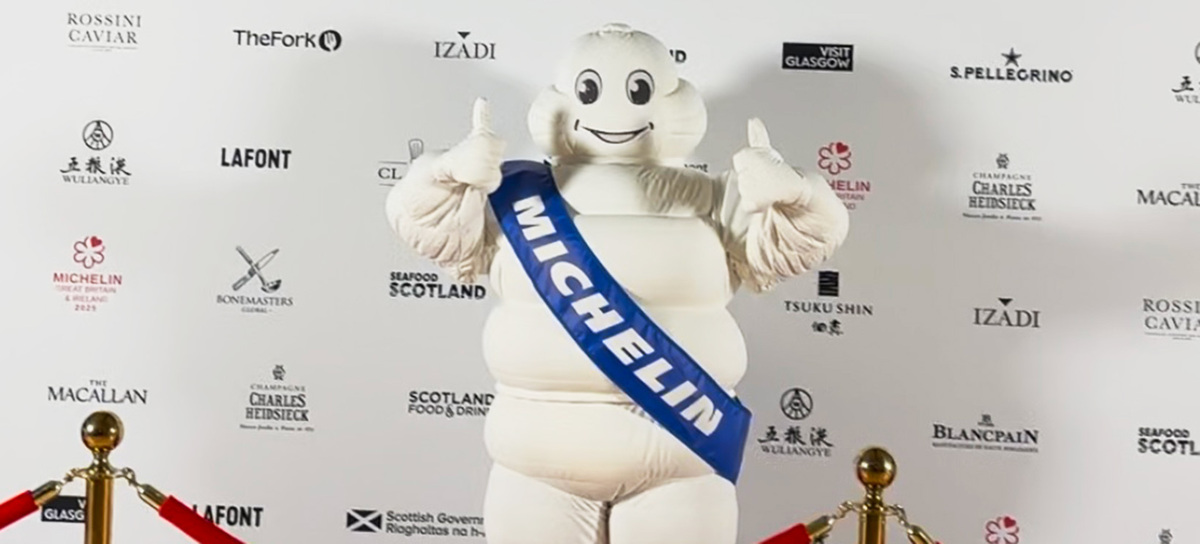
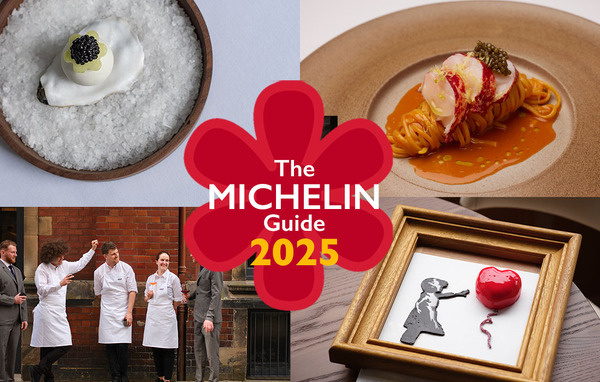
The year kicked off with the launch of the Michelin Guide Great Britain & Ireland 2025, which awarded new stars to 28 restaurants. Mark Birchall’s Moor Hall in Lancashire was upgraded to three stars, with the visibly emotional chef at the ceremony describing the win as “incredible”. The Ritz restaurant in London also won a long-awaited second star, with executive chef John Williams receiving a standing ovation when he took to the stage.
Eight restaurants lost their stars in the 2025 edition, including Jason Atherton’s City Social in the City of London and Chinese restaurant Kai in Mayfair.
Michelin also gave out its second round of key awards, the hotel equivalent to a Michelin star, to 19 properties this year. This saw the Ritz London, Saltmoore in Yorkshire, Moor Hall and the Lanesborough among those awarded two keys out of a maximum three.
The guide will be back in 2026 with a new award, the Michelin grapes, to recognise wine estates from across the world.
All change at Northcote
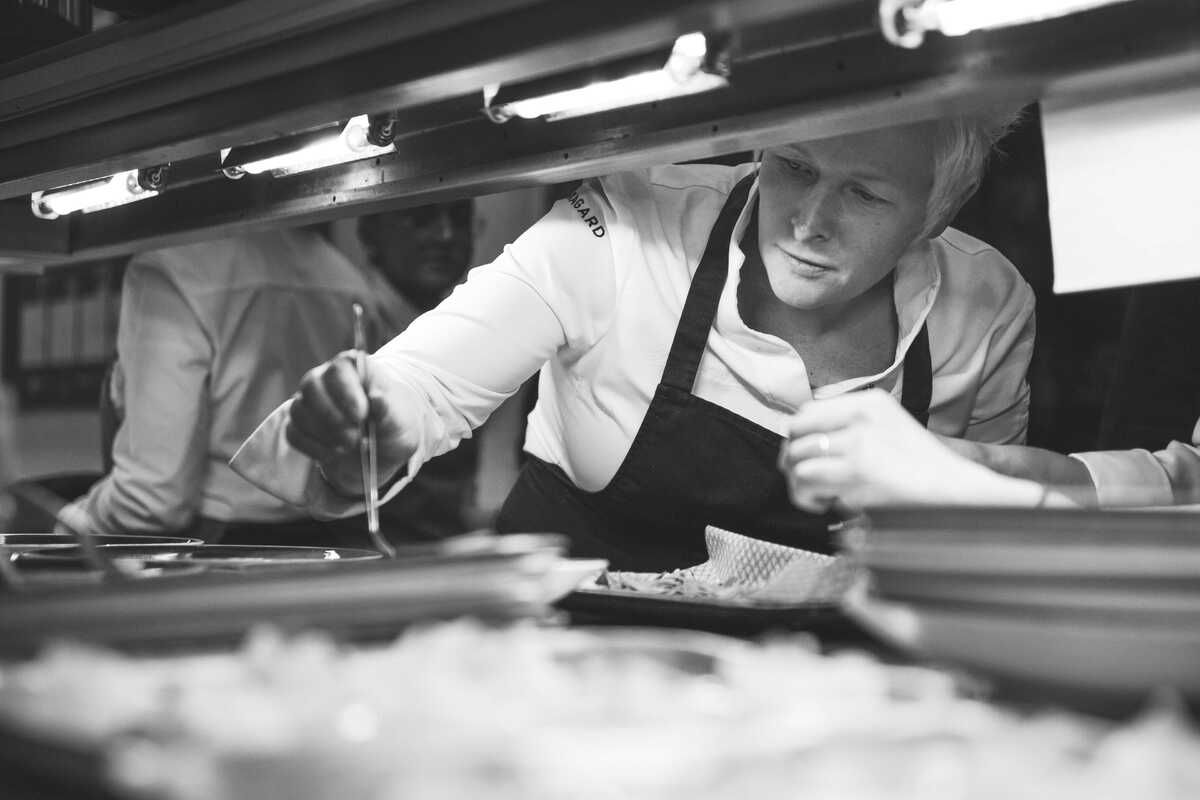
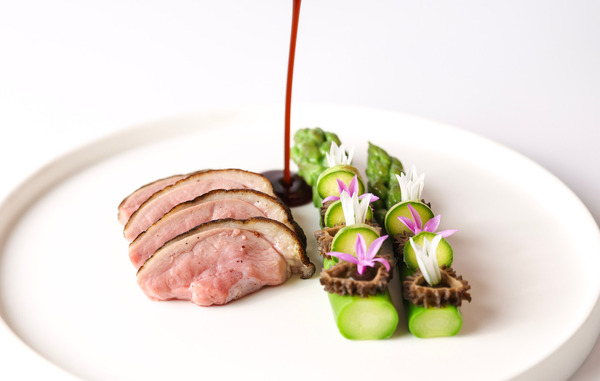
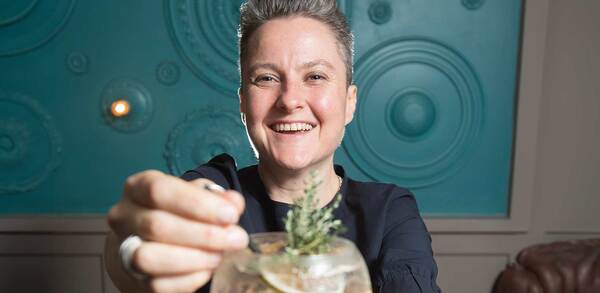
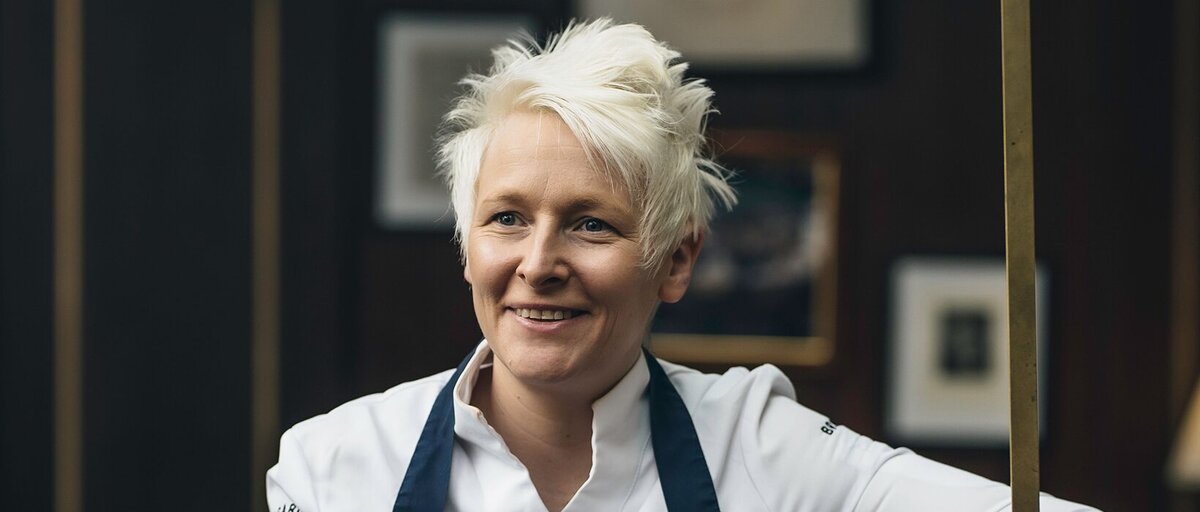
It’s been an eventful year for Northcote. In April the Ribble Valley hotel and Michelin-starred restaurant, which had been part of the Stafford Collection since 2019, was sold to Silkstone Finance, an investment vehicle run by husband-and-wife team Alf and Clare Ellis. The couple, who have been loyal patrons at Northcote for more than 10 years, are planning a major refurbishment of the hotel, including the launch of a dedicated wellness space and a new fine dining restaurant led by chef patron-director Lisa Goodwin-Allen (pictured).
Goodwin-Allen had announced her intention to leave Northcote after 23 years in March but reversed her decision once the sale went through.
The hotel launched an event catering business with a menu devised by Goodwin-Allen in September, following investment from its new owners.
Northcote also won the Best Marketing Campaign Award at the 2025 Cateys for its annual Obsession food festival, which has raised thousands of pounds for charity over 25 years.
The Ozempic effect
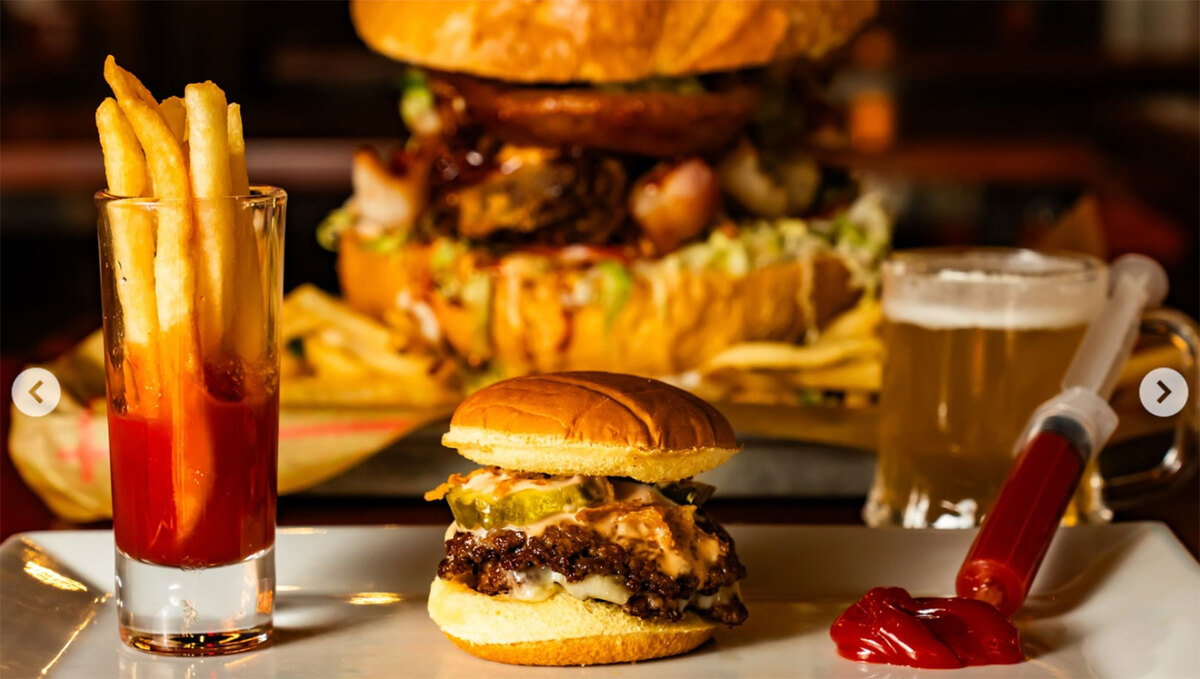
Weight-loss injections weren’t far from the headlines this year as restaurants battled to keep the four million people on weight-loss drugs, or GLP-1s, in the UK excited about food.
Otto’s restaurant in London launched a six-course, £240-a-head ‘small appetite’ menu with tiny bites of foie gras, caviar and coconut ice-cream, while Greggs’ boss Roisin Currie said the chain was “watching closely” to see the impact of appetite-suppressant drugs and was considering offering smaller portions and healthier choices.
Heston Blumenthal, who himself has been taking Mounjaro to counteract the side effects of his bipolar medication, launched a scaled-down version of the main tasting menu at the Fat Duck called the ‘Mindful Experience’.
But what does the future hold? One operator told The Caterer they attended a luxury hotel training retreat where it was discussed how resorts might one day provide guests with weight-loss injections as a service. “Maybe 10 years down the line I could see the drugs being part of an ingredient in menus themselves,” they said.
Casual dining crunch
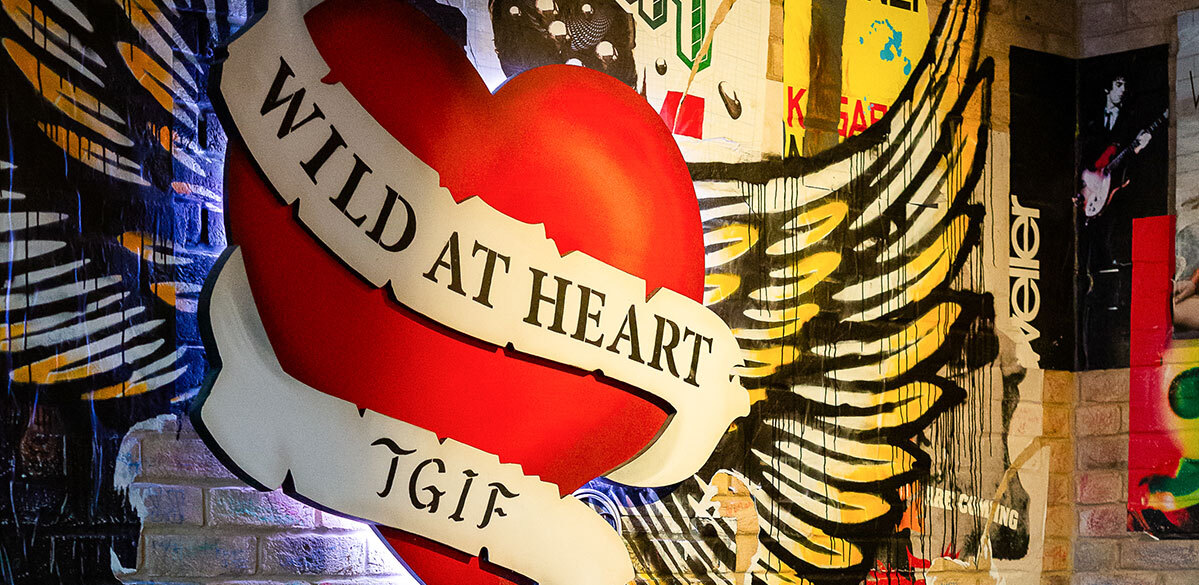
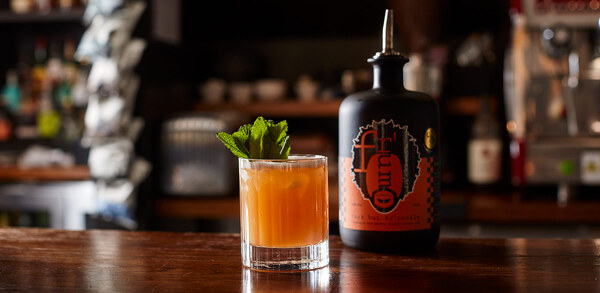
It was another rocky year for casual dining chains, with rising costs and competition forcing many high street names to close sites, cut jobs and restructure. These included French restaurant group Bistrot Pierre, Italian chain Gusto, and Thai group Busaba Eathai, which was saved from collapse when it was bought by Seaco Investments for £75,000 in July.
In October Pizza Hut’s UK dine-in franchise was sold out of administration for the second time in a year with the closure of 68 restaurants and more than 1,000 job losses.
Leon has already closed several restaurants after appointing administrators in December, while analysts have warned TGI Fridays looks set to shutter more restaurants in 2026 after its UK parent company appointed administrators for the second time in a year.
However, this year also saw the successful relaunch of Prezzo with a new menu and design. The chain’s owner, Brava Hospitality, is also backing the return of Jamie Oliver’s Jamie’s Italian, which will open a restaurant in Leicester Square in 2026, seven years after its original collapse.
The Cateys celebrated the best of hospitality
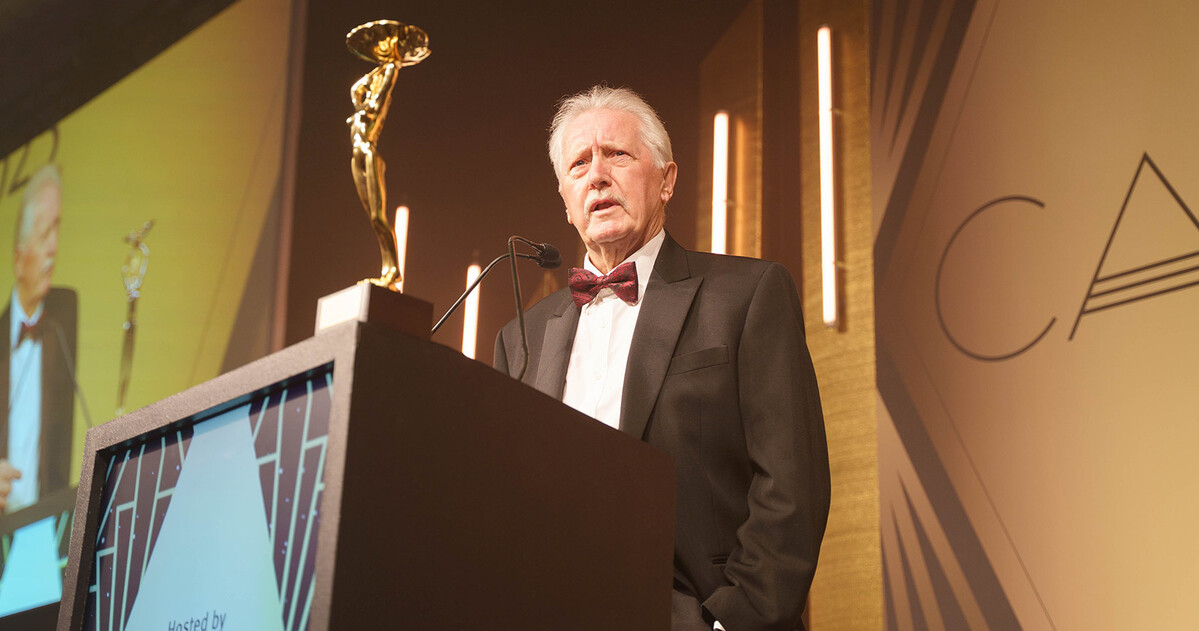
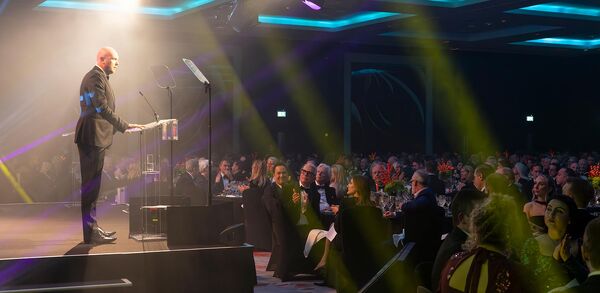
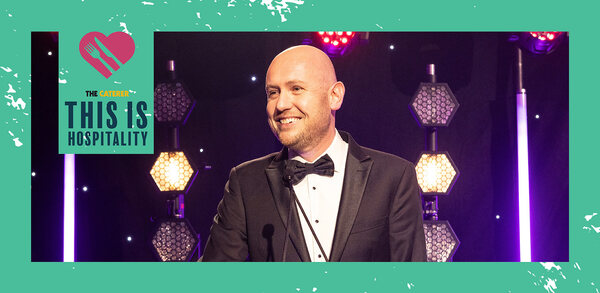
The industry came together in July to celebrate top talent and exceptional businesses across the hospitality sector. Winners were led by Brian Turner (pictured), who received the Lifetime Achievement Award, while hotelier and wine expert Nina Basset took home the Special Award. Mark Birchall won the Chef Award, while Foodservice Caterer of the Year went to Paul Jackson, the highly respected managing director at Searcys, who has led the business to record-breaking growth.
Budget fallout
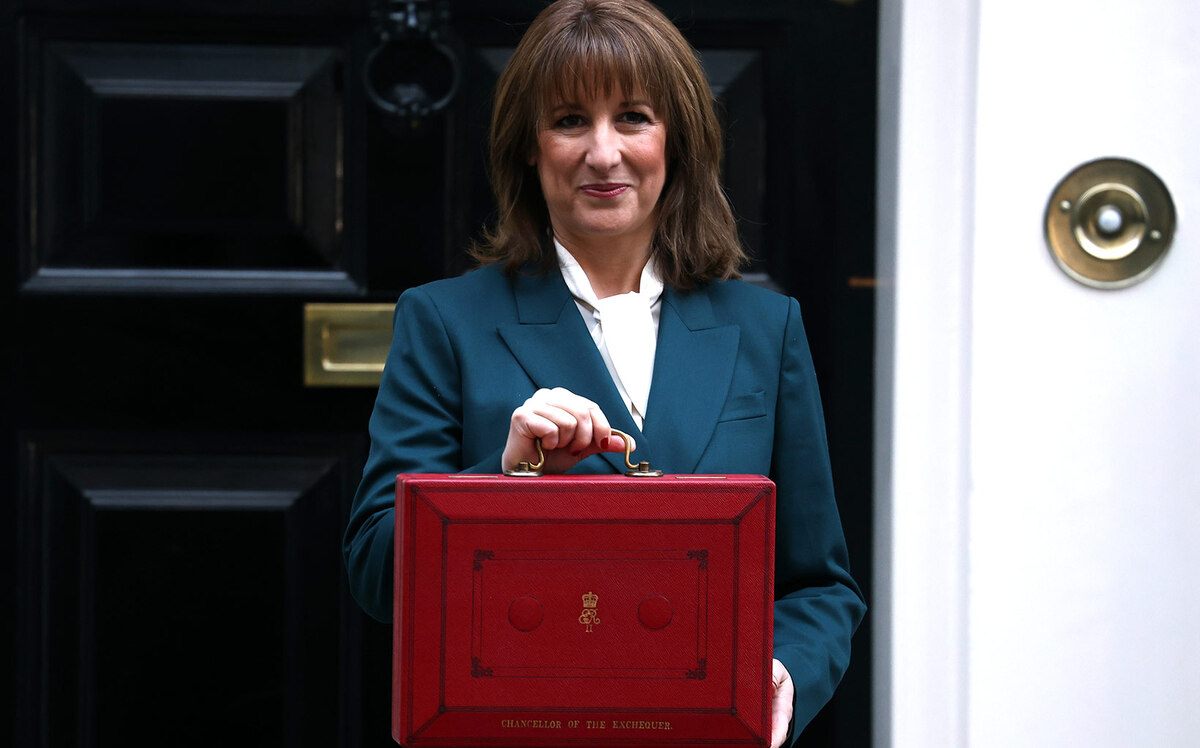
Rachel Reeves dealt the hospitality sector another blow in November with the 2025 Budget. Despite claiming to be lowering business rates for thousands of hospitality, retail and leisure firms, most operators are set to see their bills rise substantially from 2026. Many business owners have warned this will lead to price rises and closures across the industry, with smaller independent venues have been left fearing for their future.
End of an era at Le Manoir
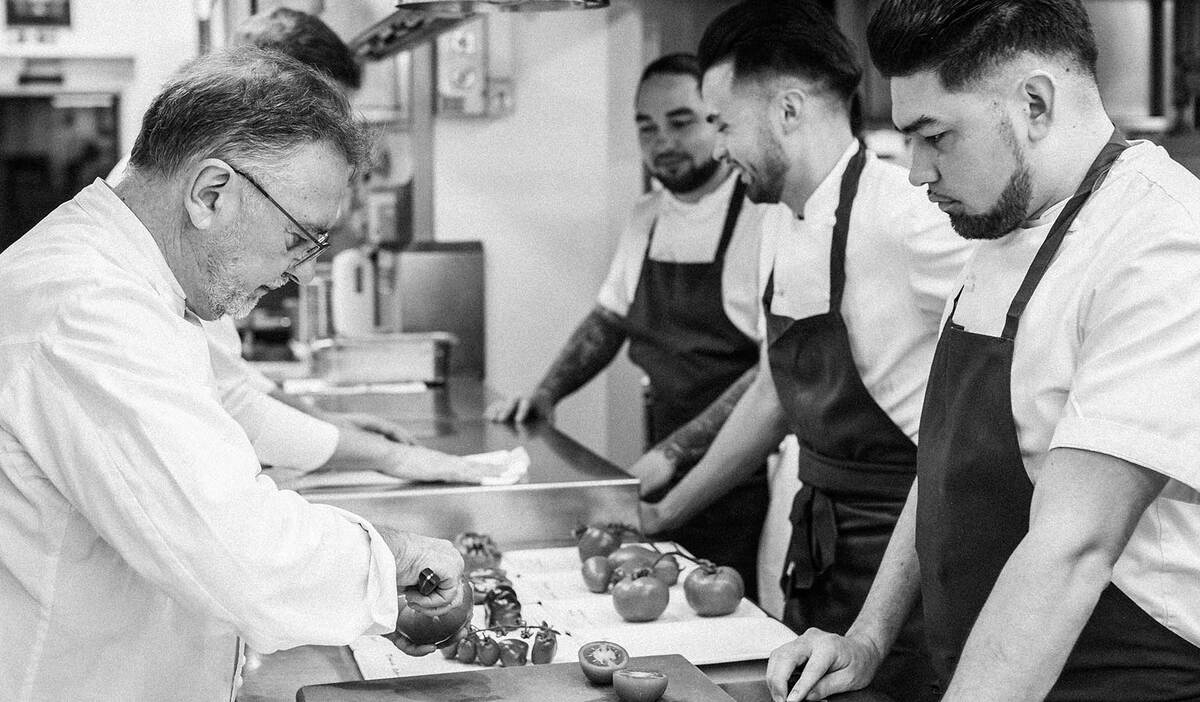
September brought the news that Belmond Le Manoir aux Quat’Saisons in Oxfordshire will close for 18 months from January 2026 for a major refurbishment. Chef-patron Raymond Blanc, who founded the two-Michelin-starred hotel restaurant in 1984, will take a step back into an ambassadorial role, and executive chef Luke Selby has joined Palé Hall hotel in North Wales as chef partner. The hotel has confirmed there will be staff redundancies due to the closure, with Le Manoir not scheduled to reopen until summer 2027.
Stadium caterers roll with it for Oasis
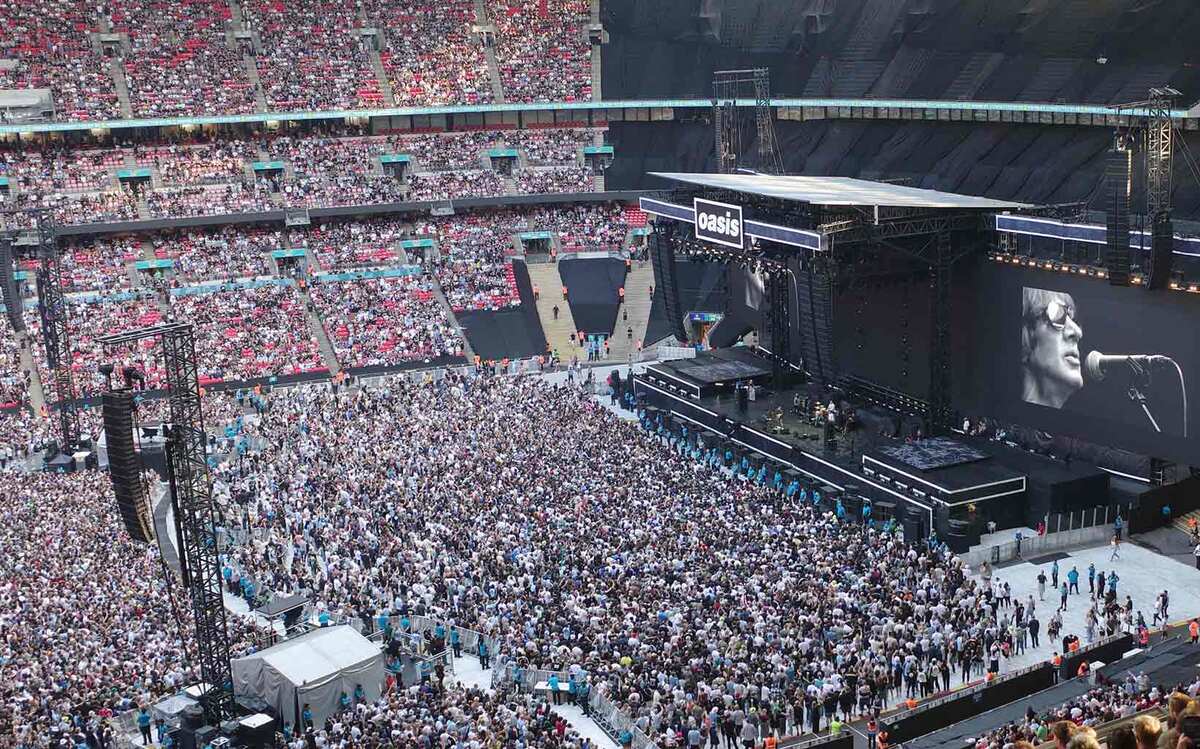
The Gallagher brothers’ reunion tour brought a supersonic buzz to the hospitality industry this summer as an estimated 1.4 million fans flocked to stadiums in London, Cardiff, Manchester, Edinburgh and Dublin to see Oasis play together for the first time since 2009. Contract caterer Elior deployed more than 1,000 staff to operate 20 food and drink outlets at Edinburgh’s Murrayfield stadium, while in London’s Wembley Stadium caterer Delaware North resorted to turning cleaning cupboards into walk-in fridges to stock deliveries of 2,500 kegs of beer. Wembley said Oasis’s initial five-night run was its “top-selling beer event ever”.
The Chancery Rosewood finally opened its doors
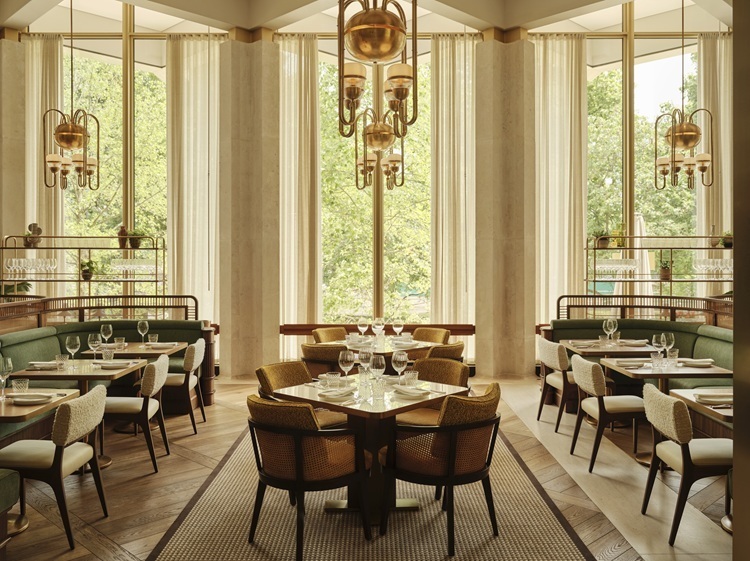
The September relaunch of the former US embassy on London’s Grosvenor Square as the £1b Chancery Rosewood hotel was undoubtedly one of the biggest openings of the year. The property features a 750-capacity ballroom, Asaya Spa and 144 suites, with room rates initially stretching to more than £16,000 a night for the most premium packages. The eight restaurants and bars included the much-talked-about European debut of New York restaurant Carbone, which welcomed celebrity diners Kate Moss and Leonardo DiCaprio, but received mixed reviews from the critics.
Fried chicken frenzy

If there was one solid success story from 2025, it was the ongoing expansion of fried chicken chains. The UK market is estimated to be worth £3.1b, with much of the growth driven by US brands. Customers queued through the winter months for the London debut of Tik Tok sensation Dave’s Hot Chicken (pictured), while Popeyes opened nearly one restaurant a week in 2025. KFC is planning to open 500 further UK restaurants by 2035, and the UK franchise of Wingstop has reported record results after its £400m sale. Even Domino’s Pizza has begun trialling a fried chicken offer across 187 stores in a bid to boost flagging sales.
And there’s more to come in 2026, when US chicken giant Raising Cane’s, which has more than five million social media followers and previously partnered with rappers Snoop Dogg and Post Malone, opens in the former Angus Steakhouse site on London’s Piccadilly Circus.
Photography: Rachel Reeves: Fred Duval/Shutterstock; Oasis: Mark Green/Shutterstock


More from The Caterer
Most Popular


Webinar: AI - building trust in the workplace
 Wed Feb 18, 2026
The Caterer Supplier Awards
Thu Apr 16, 2026
The Acorn Awards 2026
Sun Jun 7, 2026
The Cateys 2026
Tue Jul 7, 2026


The Caterer provides trusted hospitality news, analysis and trends for restaurants, hotels and catering professionals.

Jacobs Media is a company registered in England and Wales, company number 08713328. 3rd Floor, 52 Grosvenor Gardens, London SW1W 0AU.
© 2026 Jacobs Media
